

More news on this day
easyJet is extending its forward-booking horizon with a new Big Seat Release for winter 2027, placing around 12 million seats on sale and targeting February half-term demand with lead-in fares advertised from just under £25 each way.
Get the latest news straight to your inbox!
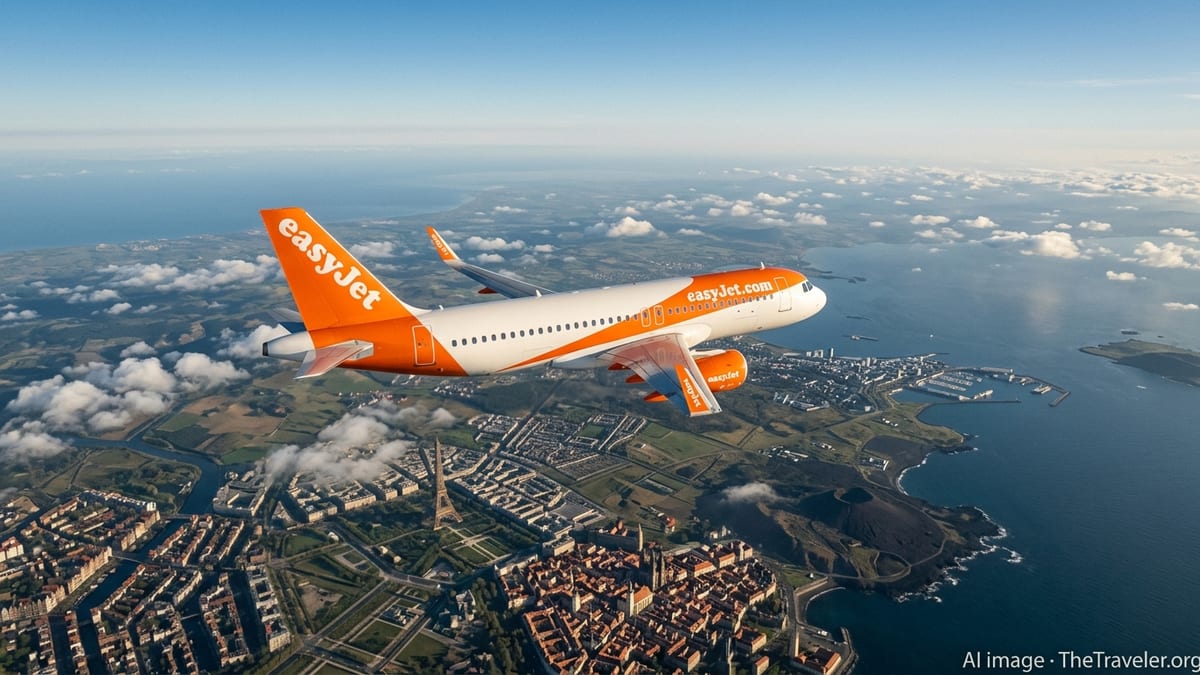
Winter 2027 Capacity Aimed at Early Family Planners
The latest wave of seats builds on easyJet’s pattern of large seasonal releases, which in recent years have seen more than 25 million seats unveiled at a time for autumn and winter programmes. Publicly available information on earlier Big Seat Releases for winter 2026 shows the carrier using these drops to cover school holiday peaks from late October through Christmas and New Year, alongside early-year travel.
For winter 2027, the airline is mirroring that strategy, focusing on families and advance planners looking to lock in prices for the busy February half-term period. The new tranche of around 12 million seats is being positioned across the network to capture both traditional ski demand and the continuing shift toward short-haul winter sun escapes.
Fare guidance released alongside previous sales highlights how aggressively the airline has been pricing entry-level tickets, with some UK and European routes historically advertised from the mid-£20s each way when bought well in advance. The carrier is now signalling similar pricing intentions for selected winter 2027 departures, with headline fares “from just under £25” expected to act as key marketing hooks rather than average price points.
While the precise allocation of seats between routes is not disclosed, schedule data for recent seasons indicates that the bulk of capacity tends to be concentrated on the airline’s busiest leisure corridors, complemented by targeted increases on emerging or fast-growing destinations.
City-Break Staples: Amsterdam, Paris, Prague and Reykjavik
Core European city destinations remain central to the winter 2027 push. Amsterdam, Paris and Prague have consistently featured among the most heavily served routes in easyJet’s network, with previous Big Seat Release announcements highlighting them as headline city-break options from multiple UK bases. Published network statistics also show frequent rotations on these routes throughout the year, reflecting strong business and leisure demand.
Reykjavik continues to play a specialist role in the schedule as a winter-focused destination popular for Northern Lights trips and short adventure breaks. Prior releases for autumn and winter seasons have repeatedly included the Icelandic capital in lists of featured city escapes, suggesting that easyJet sees sustained demand for packaged short stays that combine flights with accommodation and excursions.
For winter 2027, these four cities are again being promoted as key pillars of the city-break offering, particularly for travellers seeking a mix of culture, food and off-season pricing. Industry coverage notes that easyJet has been leaning on city routes to help balance seasonal swings in pure leisure markets, with off-peak weekday flights often attracting business and conference traffic on top of weekend tourism.
Travel planners are likely to see a spread of early-morning and evening departures on these trunk routes, giving flexibility for two- and three-night itineraries that fit within school holidays or long weekends. Historic schedules for winter 2025 and 2026 point to multiple daily frequencies on larger city pairs, a pattern expected to persist into 2027 as the airline continues to prioritise slot utilisation at constrained airports.
Winter Sun Focus: Tenerife, Alicante, Malaga and the Canary Islands
On the winter-sun side, Tenerife, Alicante and Malaga once again stand out among the main beneficiaries of extra capacity. Previous easyJet announcements for autumn and winter programmes have regularly highlighted these three destinations as “firm favourites” among UK travellers, with additional frequencies and larger aircraft types deployed on peak travel days.
The broader Canary Islands market remains a strategic focus, with Gran Canaria, Fuerteventura and Lanzarote also commonly featured in seasonal schedules. Industry analyses describe the archipelago as one of Europe’s most resilient winter-sun regions, combining relatively short flight times with reliable warm weather and a wide range of resort types catering to families, couples and activity-focused visitors.
For winter 2027, the newly released seats are expected to bolster capacity from major UK and European bases into these islands over key school holiday weeks, particularly late December and mid-February. Publicly available booking patterns from earlier seasons show that departures on Saturdays and Sundays around these dates typically command the highest loads and sell out fastest in the lowest fare brackets.
On the Spanish mainland, Alicante and Malaga continue to serve as gateways not only to the Costa Blanca and Costa del Sol, but also to inland cultural attractions. Coverage of previous Big Seat Releases notes that these airports frequently rank among the top easyJet leisure destinations by seat volume, underlining their importance in the airline’s winter portfolio.
North Africa and Wider Network: Morocco and Beyond
The Big Seat Release also reinforces easyJet’s growing presence in North Africa, with Morocco once again positioned as a key short-haul winter-sun option. In recent seasons, the airline has steadily added and promoted routes to cities such as Marrakech and Agadir, linking them to multiple UK and European bases. Industry reporting indicates that these services benefit from a blend of cultural tourism and resort-based stays.
Alongside Morocco, winter 2026 and autumn 2025 announcements referenced destinations including Egypt and Tunisia, reflecting a broader strategy to diversify beyond traditional European sun spots. While specific winter 2027 route lists are still being finalised, observers expect the new seat release to maintain or grow capacity into these markets where demand has recovered strongly and package holidays remain price-competitive.
Network-wide, easyJet’s approach has been to channel significant volumes of new seats into a combination of proven leisure routes and selected emerging destinations. Analysis of previous schedule expansions shows that the airline often tests new markets with limited frequencies before gradually increasing capacity in subsequent seasons, particularly where load factors and ancillary revenue performance meet targets.
This incremental expansion model is likely to shape how the additional 12 million winter 2027 seats are deployed, with a mix of increased frequencies on established routes such as Tenerife and Paris and potential boosts on newer or secondary airports serving high-demand regions.
Value Messaging and Booking Trends Around February Half Term
The timing of the winter 2027 Big Seat Release is designed to capture early-booking demand for the February half-term peak, a period when families have historically faced higher fares and limited availability across the short-haul market. By placing a significant volume of seats on sale well in advance, easyJet is aiming to position itself as a value-focused option for those willing to commit early.
Consumer-facing coverage of previous Big Seat Releases has highlighted that the lowest advertised fares are usually available on a limited number of seats per flight and tend to be snapped up quickly once sales open. As a result, travel experts often advise monitoring release dates closely and booking as soon as schedules are published, particularly for popular routes such as Amsterdam, Tenerife, Malaga and the Canary Islands.
With winter 2027 now partially opened for booking, price-sensitive travellers planning trips to destinations like Prague, Reykjavik, Alicante and Morocco will have an opportunity to secure flights before closer-in demand from late planners pushes fares higher. Historical booking data referenced in industry reports suggests that, on many leisure routes, significant price increases can occur within the final two to three months before departure.
For easyJet, the combination of early seat release, headline fares near the £25 mark and a mix of city and sun destinations provides a platform to smooth demand across the quieter winter shoulder weeks while maximising revenue over key holiday peaks. The strategy also offers travellers greater visibility on options for 2027, allowing long-range planning at a time when many airlines are still finalising their own winter schedules.