

More news on this day
EasyJet’s decision to establish a new base at Newcastle Airport from March 2026 is reshaping holiday options for North East England, with a wave of new routes linking the region directly to sun-soaked destinations in Turkey, Greece, Portugal, Malta, Spain, Tunisia and Italy.
Get the latest news straight to your inbox!
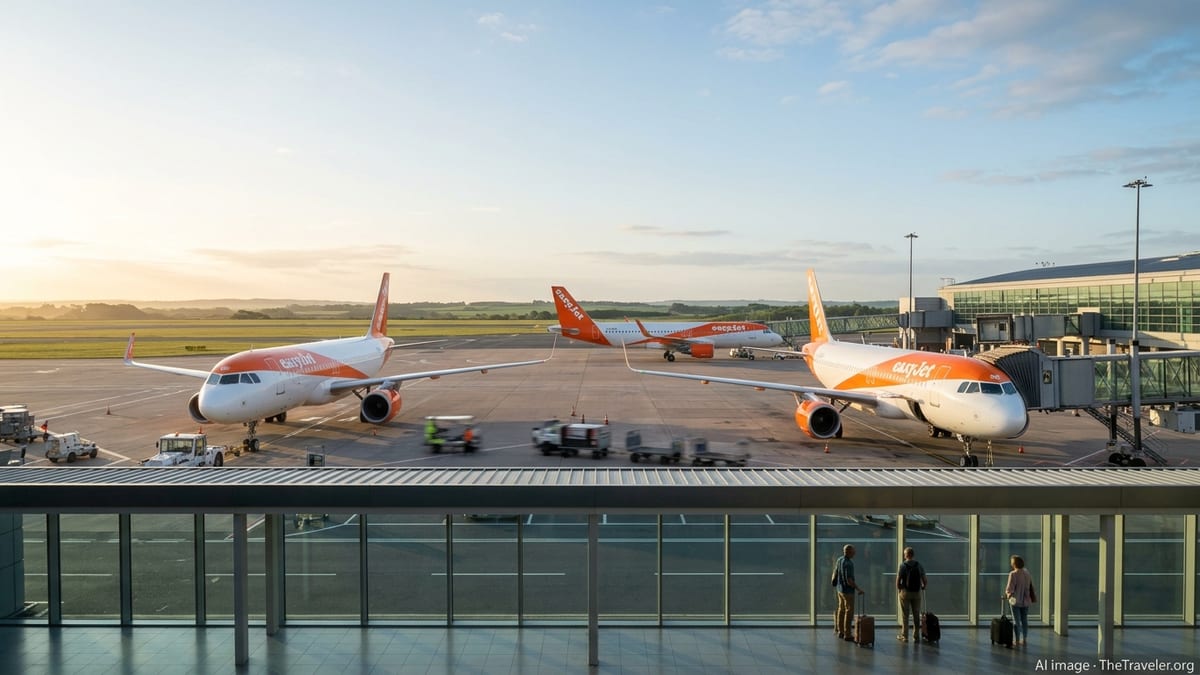
Newcastle Secures EasyJet Base as Mediterranean Demand Surges
The new three-aircraft base at Newcastle, scheduled to open in spring 2026 with operations brought forward to late March, is being described in industry coverage as one of the most significant developments at the airport since before the pandemic. Publicly available information shows that the carrier plans to more than double its flying from the North East hub, anchoring its largest-ever UK summer programme.
Reports indicate that the decision to base aircraft at Newcastle follows sustained demand for short- and medium-haul leisure travel from the region. Data highlighted by aviation analysts points to hundreds of thousands of one-way journeys each year between Newcastle’s catchment and popular Mediterranean and North African destinations, underlining why the North East has become a priority for renewed investment.
The base reopening reverses a pandemic-era retreat, when the airline previously closed its Newcastle operation. Industry observers note that a permanent presence typically brings more stable schedules, early-morning departures, and better connectivity for local passengers, particularly during peak holiday periods.
The move also aligns Newcastle with other UK regional airports that have successfully leveraged low-cost carrier bases to broaden their reach to “Europe and beyond,” reinforcing the airport’s role as a key international gateway for northern England and southern Scotland.
Turkey and Tunisia Lead Fresh North Africa and Eastern Med Links
Among the destinations generating the most excitement are new and expanded links to Turkey and Tunisia, two markets where demand from UK holidaymakers has rebounded strongly. Route announcements tied to the Newcastle base highlight Antalya and Dalaman on Turkey’s Turquoise Coast, alongside Enfidha on Tunisia’s Sahel shoreline, as cornerstone additions to the schedule.
Travel industry analysis describes Antalya as one of the most sought-after summer routes from northern UK airports, driven by value-focused all-inclusive resorts and extensive family facilities. Dalaman, gateway to resorts such as Fethiye and Marmaris, is similarly in demand, offering a mix of beaches, yacht-filled marinas and access to quieter coastal villages.
On the southern shore of the Mediterranean, Enfidha opens direct access from Newcastle to Tunisia’s resort belt, including Hammamet and Sousse. According to published coverage, the combination of competitive pricing and expanding resort infrastructure has made Tunisia an increasingly popular alternative to the traditional Spanish and Greek packages.
Aviation commentators suggest that these North African and eastern Mediterranean routes significantly extend the geographic reach of Newcastle’s network, allowing travellers to swap connecting flights for non-stop services to warmer climates at the start and end of the season.
Greece, Portugal, Malta and Spain Gain New Non-stop Choices
EasyJet’s Newcastle programme also deepens links with some of Europe’s best-known holiday markets. New summer 2026 schedules feature Greek island favourites such as Rhodes and Corfu, providing direct access to the Dodecanese and Ionian seas. Coverage in Greek tourism media notes that these flights feed both traditional beach resorts and emerging boutique stays in historic harbour towns.
In Portugal, Faro in the Algarve features prominently in the announced network. Travel trade reports highlight the Algarve’s enduring popularity with North East families and golfers, thanks to its long season, accessible beaches and dense concentration of resorts within a short drive of the airport.
Further into the Mediterranean, Malta joins the roster, offering a compact mix of historic fortifications, clear-water lagoons and year-round cultural events. Industry overviews suggest that the island’s appeal lies in its combination of English-speaking locals, familiar infrastructure and increasingly sophisticated hotel stock, positioning it as an easy first step for less experienced travellers.
Spain retains its status as a cornerstone of Newcastle’s outbound market, with routes such as Reus on the Costa Dorada and existing services to Spanish favourites like Alicante and Majorca supported by the additional based aircraft. Analysts point out that strengthening these links helps protect capacity to Spain even as airlines diversify into newer Mediterranean and North African destinations.
Italy and the Wider Mediterranean Tap into North East Market
While many of the newly promoted routes focus on classic beach escapes, industry commentary also notes opportunities for growth in city and culture-oriented breaks, particularly in Italy and along the northern Mediterranean. EasyJet has a strong presence in Italian markets such as Naples, Venice and Milan from other UK bases, and sector watchers expect some of that network logic eventually to benefit Newcastle.
Italy’s mix of coastal resorts, islands and heritage cities is seen as a natural extension for a North East customer base already familiar with Spain and Greece. Even in the absence of formal route announcements to specific Italian cities from Newcastle, tourism boards and travel retailers are closely tracking the base launch, anticipating that future seasons may bring more direct connectivity into the central Mediterranean.
More broadly, destinations across the Mediterranean basin are positioning themselves to capture a slice of the increased seat capacity. From the Adriatic to the Balearics, tourism operators have been adjusting marketing plans in the North East of England, with package providers highlighting shorter journey times and reduced reliance on London or Manchester connections.
Observers argue that this widening choice of destinations from a single regional airport strengthens the case for travellers to depart locally rather than routing via larger hubs, which can add time and cost to family holidays.
Economic Boost for Newcastle and New Convenience for Travellers
Beyond the route map, the Newcastle base is expected to bring a measurable economic lift to the region. Research published by regional development bodies indicates that the base will support around 130 direct jobs in roles such as pilots, cabin crew and engineering, with further indirect employment across ground handling, retail and hospitality at and around the airport.
Travel and aviation analysts also point to the wider visitor economy benefits. Improved connectivity to Mediterranean and North African destinations is likely to stimulate outbound leisure spend while also making it easier for inbound visitors to reach the North East for city breaks in Newcastle, nearby coastal towns and countryside escapes in Northumberland and County Durham.
For passengers, the practical advantages are immediate: more early-morning and late-evening departures, greater resilience in peak season, and a wider spread of price points across school holiday dates. Reports indicate that starting fares on some of the newly announced routes are positioned to compete aggressively with both rival airlines and package operators.
As the countdown to March 2026 continues, booking data over the coming year will show how strongly travellers in the North East respond to the expanded choice. For now, tourism bodies in Turkey, Greece, Portugal, Malta, Spain, Tunisia and Italy are preparing to welcome more visitors arriving from Newcastle on direct flights that were not available just a few seasons ago.