

More news on this day
Japan is sharpening its focus on sustainability as visitor numbers climb again, pairing ambitious climate policies with practical measures that encourage travelers to tread more lightly across the country’s cities, coasts and countryside.
Get the latest news straight to your inbox!
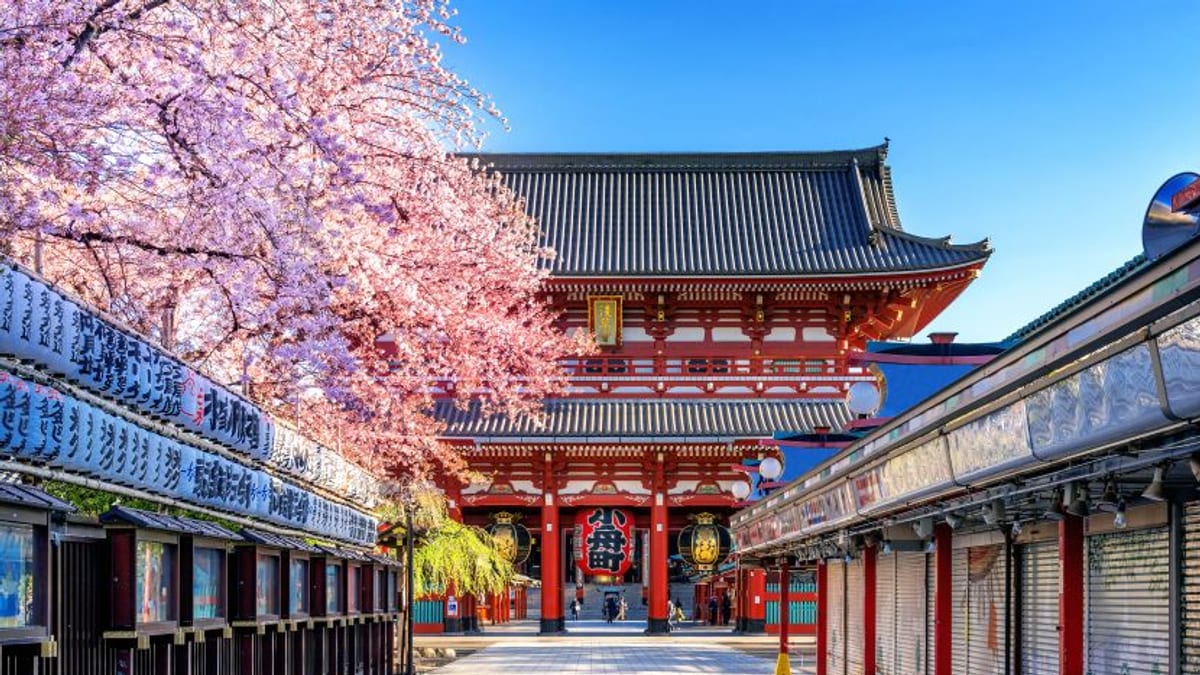
Image by Travel And Tour World
A National Push for Sustainable Tourism
Japan is moving to ensure that its tourism revival does not come at the expense of local communities or the environment. Policy documents from the Japan Tourism Agency describe a shift toward “sustainable, high-value-added tourism,” backed by rising budgets for regional revitalization, over-tourism countermeasures and destination management that protects residents’ quality of life. Recent budget allocations set aside billions of yen for dispersing visitors beyond overcrowded hotspots and supporting local initiatives that balance visitor spending with community well-being.
Publicly available information shows that the government’s New Tourism Nation Promotion Basic Plan centers on creating certified sustainable tourism destinations and expanding programs that guide travelers toward lesser-known areas. This includes financial support for projects that spread visitors within prefectures, promote “hidden gems,” and redesign tourist flows around capacity limits. The approach aims to keep popular icons like Kyoto and Mount Fuji accessible while reducing pressure on housing, transport and natural sites.
Travel industry groups are also adjusting their priorities. National travel awards increasingly highlight sustainability, diversity and community benefit as core criteria, spotlighting rural stays, heritage conservation projects and low-impact outdoor experiences. For international visitors, this means a growing number of tours, accommodations and experiences are explicitly marketed as environmentally responsible, making it easier to align a Japan itinerary with low-carbon and community-focused principles.
For travelers planning trips in 2026 and beyond, this policy shift is likely to translate into more information at visitor centers about off-peak travel, codes of conduct and recommended routes that avoid sensitive neighborhoods. It also signals that behaviors such as respecting local waste rules, staying on marked trails and favoring locally run businesses are not just courteous, but integral to Japan’s long-term tourism strategy.
Low-Carbon Mobility: Riding Japan’s Rail and Transit Network
Japan’s rail network remains one of the most climate-friendly ways to move around the country. Materials published by the Ministry of Land, Infrastructure, Transport and Tourism compare the greenhouse gas emissions of high-speed rail with those of domestic aviation, highlighting the relative efficiency of the Shinkansen for intercity journeys. For many routes between major cities, choosing rail over short-haul flights can significantly reduce per-passenger emissions, especially when trains operate at high occupancy.
Urban transport systems add another layer of low-carbon mobility. Major cities such as Tokyo, Osaka and Fukuoka provide dense networks of subway, tram and bus services that make car-free travel straightforward for visitors. Prepaid smart cards streamline transfers between operators, and many destinations are enhancing wayfinding in English and other languages to encourage public transport use. Cycling infrastructure has also expanded in select areas, with rental bikes and e-bike services appearing in tourist neighborhoods and coastal regions, supporting short-distance trips without relying on taxis or rental cars.
Travelers can amplify these advantages by planning routes that cluster destinations geographically, reducing unnecessary long-distance backtracking. Opting for regional rail passes instead of repeated domestic flights, booking hotels near major transit hubs, and walking between nearby attractions all help cut emissions while often saving time. In smaller towns, using local buses or community taxis, when available, contributes to the viability of shared transport options that residents also depend on.
As more rail operators experiment with renewable energy contracts and energy-saving rolling stock, visitors who prioritize trains and public transit are effectively supporting Japan’s wider decarbonization agenda. Even small decisions, such as choosing a slower limited express line over a short-haul flight, align personal travel choices with the country’s emerging green transport landscape.
Green Cities and Eco-Model Communities
Japan’s climate ambitions extend beyond the tourism sector into broader urban planning, with direct implications for how visitors experience its cities. Environmental policy documents list dozens of local governments, including metropolises like Tokyo, Kyoto and Yokohama, that have declared targets to reach net-zero emissions by 2050. These commitments are driving investments in energy-efficient buildings, smart grids and expanded green spaces that shape the urban environment tourists encounter.
Programs highlighting “eco-model cities” and “future cities” showcase municipalities that are piloting compact urban design, public transit priority and community-based energy projects. Toyama, for example, has gained attention for promoting a compact city model centered on tram networks and walkable neighborhoods, with the stated goal of cutting vehicle dependence while revitalizing its aging urban core. Other cities are deploying electric buses, large-scale solar projects and local energy management systems that make everyday experiences, like riding a tram or visiting a waterfront park, part of a broader low-carbon experiment.
For travelers, these policies can translate into practical choices. Staying in central districts with easy tram or subway access, choosing hotels that advertise energy-saving measures, and visiting urban parks and waterfronts designed for flood resilience and biodiversity all help reinforce local efforts. Conferences and large events, particularly around Osaka and Yokohama, are testing sustainable event evaluation systems that encourage organizers to limit waste, prioritize public transport access and engage nearby communities.
As Japan prepares for major international gatherings in the latter half of the decade, cities are keen to present themselves as laboratories for climate solutions. Visitors who pay attention to signage about recycling, energy use and neighborhood codes of conduct can gain insight into how local governments are turning abstract carbon targets into visible changes on the street.
Nature, Heritage Trails and Community-Based Experiences
Outside the major urban centers, Japan is promoting nature-based tourism that supports conservation and rural livelihoods. Long-distance routes such as coastal hiking trails, cycling corridors and pilgrimage paths have been developed or restored with an emphasis on environmental education and local engagement. These projects typically highlight disaster recovery, coastal ecosystem preservation and traditional ways of life, encouraging travelers to experience landscapes at a slower pace.
Government and media reports describe how some of these trails were designed to connect small fishing villages, forests and farming communities, directing visitor spending toward family-run inns, local guides and regional food producers. By spreading foot traffic over longer distances and seasons, these routes can reduce pressure on single viewpoints while still supporting tourism income. Many towns along such trails provide information on wildlife, marine ecosystems and cultural practices, reinforcing their role as living classrooms for sustainability.
Heritage initiatives in regions such as Hokkaido and other rural prefectures also intersect with sustainable tourism goals. Projects that catalog and promote local cultural assets, festivals and landscapes are intended to foster pride among residents while offering visitors alternatives to already crowded sites. Although management structures vary, the underlying concept is that community-led storytelling and preservation can drive a more balanced form of tourism that does not overwhelm small destinations.
Travelers interested in these experiences are encouraged to book locally owned accommodations, abide by trail etiquette, and visit outside peak holiday periods when possible. Carrying reusable bottles, minimizing packaged snacks, and respecting guidance on wildlife and sacred sites can make a visible difference in fragile coastal and mountain environments that are increasingly marketed as eco-conscious escapes.
Practical Eco-Conscious Choices for Visitors
For international travelers, aligning with Japan’s sustainability agenda often begins with small, everyday decisions. Public information campaigns emphasize the importance of meticulous waste sorting, which varies by municipality. Visitors can prepare by carrying a small reusable bag for recyclables and paying close attention to signage on bins in stations, convenience stores and public spaces. Limiting single-use plastics by bringing refillable water bottles, chopsticks and shopping bags also fits well with local expectations.
Accommodation choices are another key lever. Many hotels and ryokan now promote resource-saving measures such as reduced towel changes, energy-efficient lighting and bulk toiletry dispensers rather than single-use amenities. Selecting properties that clearly describe their environmental initiatives, choosing smaller-scale inns in rural areas, and supporting businesses recognized in sustainability-focused travel awards all help direct spending toward operators that invest in long-term stewardship.
Food and shopping habits can further reinforce low-impact travel. Seeking out seasonal, locally sourced dishes, visiting morning markets, and purchasing crafts made within the region support shorter supply chains and traditional skills. Travelers can also look for experiences that involve learning, such as workshops on organic farming, forestry, or traditional building techniques, which many communities are promoting as part of their sustainable tourism strategies.
Finally, timing and behavior matter. Traveling in shoulder seasons reduces pressure on infrastructure and popular viewpoints, while observing etiquette around quiet residential streets, sacred spaces and natural reserves helps maintain community support for tourism. As Japan expands policies and innovations aimed at achieving its climate and sustainability goals, visitors who make these conscious choices play a direct role in ensuring that the country’s natural and cultural treasures remain resilient for future generations.