

More news on this day
Egypt is confronting a deepening energy crunch in early 2026, with fuel import bills surging, electricity-saving measures expanding, and commercial life curtailed at night, yet major tourist sites from Cairo to Luxor and Giza continue to operate and welcome visitors.
Get the latest news straight to your inbox!
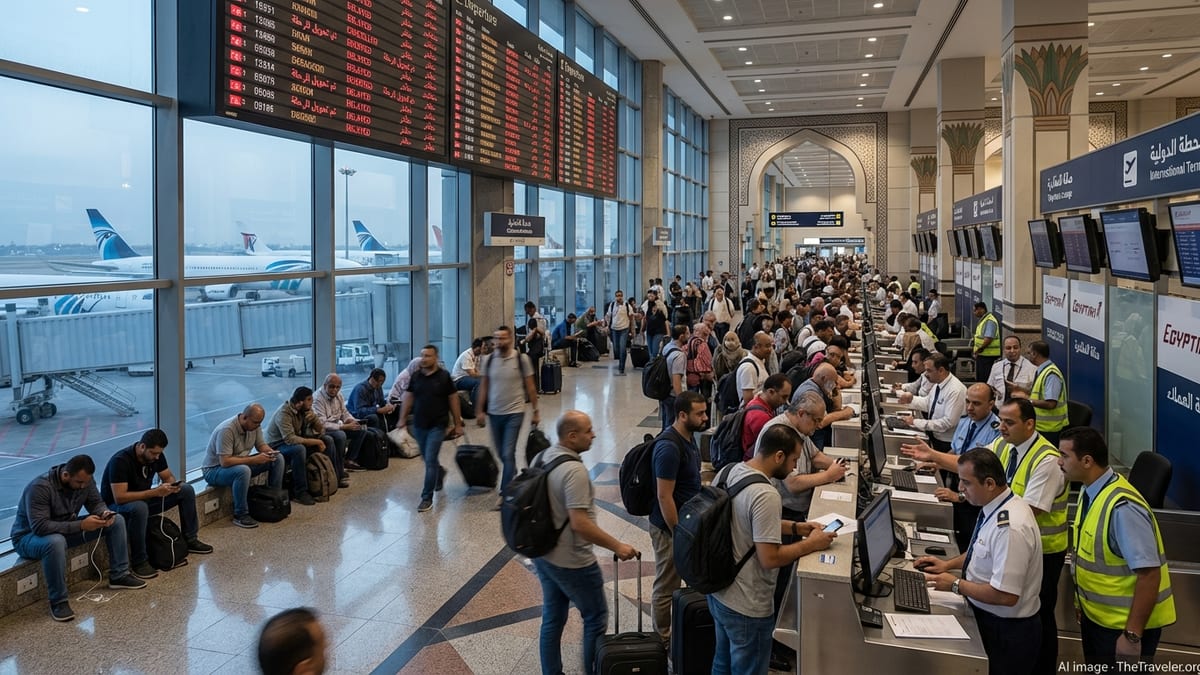
Energy-Saving Measures Reshape Daily Life
Egypt’s latest round of energy-saving measures comes amid a sharp rise in global oil prices linked to regional tensions and disruptions to key shipping routes. Publicly available information indicates that Egypt, which relies heavily on imported fuel, has seen its monthly fuel import bill more than double in recent months, straining state finances that were already under pressure from years of currency devaluation and high inflation.
To curb electricity use, the government has ordered most shops, cafés, and restaurants nationwide to close by around 9 p.m. for at least a month, building on an earlier program of evening energy restrictions. Reports from Cairo describe usually busy commercial districts falling quiet earlier than normal, altering the rhythm of a city long associated with late-night socializing and shopping.
The early closing rules are presented as temporary but reflect a broader pattern of energy conservation. Over the past two years, authorities have repeatedly used rolling power cuts and working-hour reductions to manage peak demand during heatwaves and periods of fuel shortage. The current package extends this approach, focusing on trimming non-essential electricity use while attempting to shield strategic sectors.
Fuel prices and some public transport fares have also risen again, part of a longer trend of subsidy reductions tied to Egypt’s economic reform commitments. For residents, these increases deepen concerns about the cost of living. For visitors, they are more likely to be visible in taxi meters, intercity transport prices, and the general sense of financial strain in the streets rather than in direct service cuts at major tourist sites.
Tourism Sector Granted Broad Exemptions
Tourism remains one of Egypt’s most important sources of foreign currency, and the sector has been widely exempted from the most restrictive elements of the energy-saving drive. According to recent coverage in regional outlets, hotels, archaeological sites, and tourism-related facilities are excluded from the early closing order that applies to most commercial businesses.
National tourism authorities and industry representatives have emphasized in public statements that services in key destinations such as Cairo, Giza, Luxor, Aswan, Sharm El Sheikh, and Hurghada are expected to continue uninterrupted. Recent travel trade reporting notes that major monuments and museums are operating as scheduled, with lighting, air conditioning, and security systems maintained.
Some larger hotels and high-end Nile cruise operators have invested in backup generators in recent years, giving them additional resilience in the event of short, localized power interruptions. Publicly available information indicates that this backup capacity has been used primarily as a precaution and to ensure continuity of air conditioning, kitchen operations, and elevator service for guests.
Tour operators are continuing to sell itineraries built around sunrise and sunset visits to the Pyramids of Giza, the Egyptian Museum in Cairo, the Valley of the Kings, Karnak, and Luxor Temple. The current energy measures have not led to a formal reduction in opening hours at these sites, though visitors may encounter more careful management of lighting and climate control in some indoor spaces.
What Visitors Will Notice in Cairo, Giza, and Luxor
In Cairo, the most visible change for tourists is likely to be outside their hotels rather than inside them. Neighborhood cafés, small shops, and some restaurants that would ordinarily remain open late are now required to close earlier, giving central districts a quieter feel at night. Travelers who enjoy strolling and browsing after dinner may find the streets less lively and should plan to do most shopping in the late afternoon or early evening.
Around the Giza Plateau, the core sightseeing experience is expected to remain largely intact. Reports from travel and tourism outlets suggest that the Pyramids and the Great Sphinx continue to receive visitors at standard hours, with security, ticketing, and guiding services in place. Evening sound-and-light shows may proceed as scheduled, although organizers have an incentive to optimize lighting and audio equipment for efficiency.
In Luxor, where many attractions are outdoors and visits often take place in the cooler hours of the morning and late afternoon, tourists are likely to see limited direct impact. Temples such as Karnak and Luxor, as well as tombs in the Valley of the Kings and Valley of the Queens, remain centerpieces of itineraries. Energy-saving efforts may be more apparent in reduced decorative lighting in some public areas of the city or more modest nighttime illumination along the Corniche.
Travelers should be prepared for busier service stations at peak times, as high fuel costs and tighter supply have drawn attention to fuel availability along key routes. However, fuel stations themselves are among the sectors exempted from early closure schedules, and intercity links between Cairo, Luxor, Aswan, and the Red Sea resorts continue to operate.
Managing Power Cuts and Transport During a Visit
While the current policy focus is on cutting commercial electricity use through early closures, the broader context includes the recent history of rolling power cuts. In 2023 and 2024, planned outages lasting one to three hours in many districts were used to balance the grid during summer heatwaves. Government plans announced in 2024 aimed to reduce or eliminate such cuts during peak travel periods through increased fuel imports for power plants.
In early 2026, publicly available reports indicate that authorities are trying to avoid a return to widespread daytime outages in major cities, in part to protect economic activity and tourism. Hotels and large tourism facilities in Cairo and Luxor generally prioritize essential systems and, where needed, deploy generators to bridge short interruptions. Guests may notice brief flickers or the sound of backup systems kicking in, but core services typically remain available.
Transport services, including domestic flights, long-distance trains, and private coaches serving tourist sites, continue to run, though travelers may experience schedule adjustments if fuel conservation efforts intensify. Industry summaries suggest that airlines and rail operators are coordinating with the state’s energy planners to maintain key routes while trimming less critical frequencies.
Visitors can reduce uncertainty by checking flight and train schedules regularly, confirming pick-up times for organized tours a day in advance, and allowing extra time when moving between cities. Intra-city travel by ride-hailing services and taxis remains widely available, though higher fuel prices may affect fares and encourage some drivers to cluster around high-demand hotel zones and transport hubs.
Practical Tips for Tourists Navigating the Energy Crunch
For travelers heading to Cairo, Giza, or Luxor in the coming weeks, the main adjustment will be timing rather than access. Sightseeing programs are best concentrated in the morning and late afternoon, while shopping and café visits should be planned before the early evening closures. Many hotels are likely to remain social hubs after 9 p.m., with bars, restaurants, and rooftop terraces open for guests and, in some cases, outside visitors.
Comfort in warm weather is another consideration. Even where air conditioning is available and functioning, venues may set temperatures slightly higher to conserve power. Light clothing, sun protection, and staying hydrated during daytime excursions are advisable, especially during heatwaves that place additional stress on the grid.
Cash and connectivity planning can also help. Although extended, citywide outages are not currently reported as a daily feature, travelers may still wish to keep mobile devices charged, carry a small power bank, and maintain some cash on hand in case card terminals are briefly offline in smaller shops. Larger hotels, banks, and established retailers typically have more robust backup arrangements.
Despite the energy challenges, travel industry coverage suggests that visitor numbers to Egypt remain solid, and some attractions in Cairo and Luxor may even feel less crowded at night as local residents adjust to earlier closing times. For many tourists, the energy-saving measures are likely to form part of the backdrop rather than the headline of their trip, with the enduring draw of the Pyramids, ancient temples, and Nile scenery continuing to define the experience.