

More news on this day
Doha’s luxury hotels are preparing for one of their busiest Eid seasons in recent years, as pent-up demand, aggressive staycation offers and rising visitor numbers converge to push occupancy toward peak levels across Qatar.
Get the latest news straight to your inbox!
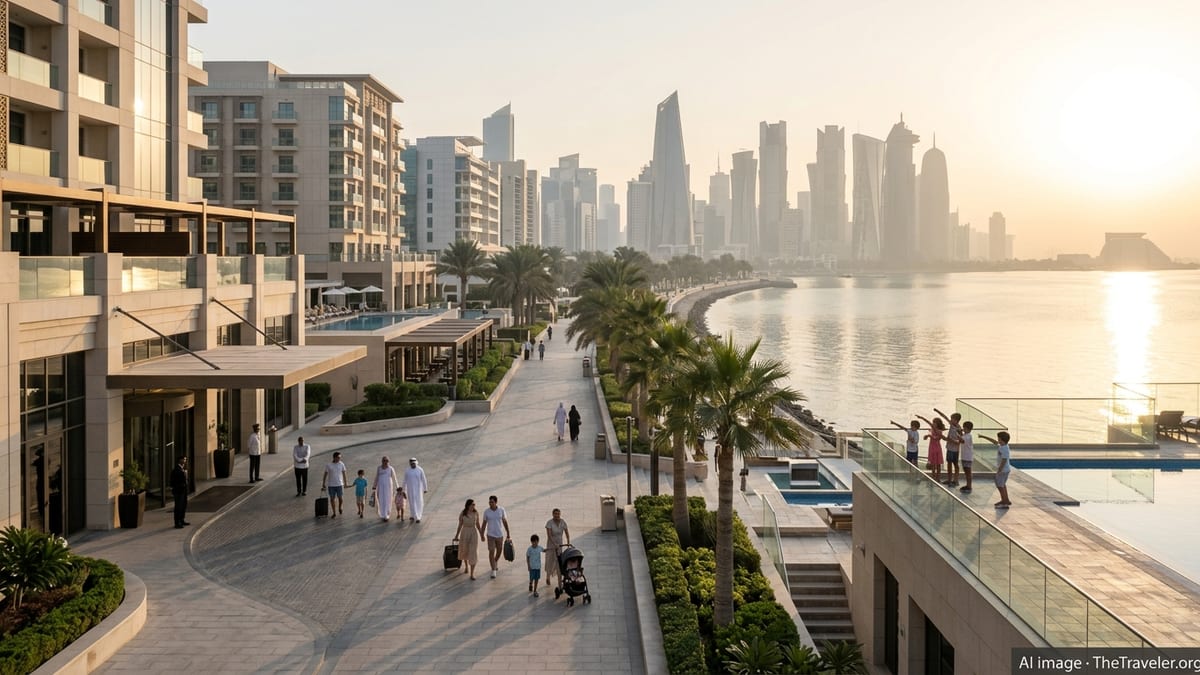
Staycation Boom Sets the Tone for Eid in Qatar
Publicly available tourism data and local media coverage indicate that Qatar’s hotel sector is entering the 2026 Eid period with strong momentum, following back-to-back years of high occupancy during Eid Al Fitr. Reports on last year’s holiday showed hotel occupancy climbing into the mid-90 percent range at the height of the break, underscoring how both residents and GCC visitors are turning Eid into a short, luxury-focused escape within Qatar.
The broader hospitality market has also been robust. Qatar Tourism’s recent performance updates point to average occupancy in the low 70 percent range for 2025, supported by major events and a steady flow of regional travelers. When this baseline is combined with the traditional Eid spike and a growing domestic appetite for “treat yourself” long weekends, hotel operators are now anticipating near-peak capacity across prime areas of Doha.
Industry analysis shared in regional business outlets further suggests that room revenues have risen on the back of higher rates during key leisure periods such as Eid. With many of Doha’s premier properties clustered along the Corniche, West Bay, The Pearl and Msheireb Downtown, the expectation is that these districts will again absorb the bulk of the Eid staycation rush.
Luxury Hotels Target Residents With Tailored Eid Packages
Local coverage of the hospitality sector shows that luxury and upper-upscale hotels in Doha are aggressively marketing Eid staycations to residents and GCC nationals who prefer to avoid airports during the busy holiday window. Five star properties are rolling out bundled offers that typically combine reduced nightly rates with daily breakfast, resort credit, late check-out and complimentary access to pools, beaches and kids’ clubs.
Reports from Doha-based travel and lifestyle outlets highlight a clear focus on family-friendly experiences. Many hotels are tying Eid packages to children’s activity programs, indoor play zones and themed entertainment designed to keep younger guests occupied in the daytime heat, while parents take advantage of spa promotions or fine-dining menus in the evening.
Urban lifestyle districts are also leaning into the staycation trend. Msheireb Downtown Doha was widely reported to have recorded exceptional results over Eid Al Fitr 2025, combining record visitor numbers with strong hotel performance. This model of mixing boutique accommodation, pedestrian-friendly streets, museums and dining in a single walkable cluster is expected to continue drawing residents who want a change of scenery without leaving the capital.
For many Doha residents, the appeal of a luxury staycation is as much about convenience as indulgence. By trading long-haul flights for a fifteen-minute drive to a beachfront or skyline-view hotel, families can maximise time at leisure while still enjoying the sense of “getting away” that traditionally accompanies Eid holidays.
Room Supply Grows, but Prime Segments Still Tight at Eid
Qatar’s hotel inventory has expanded substantially in the past few years, a legacy of World Cup investments now being repurposed to support year-round tourism. Recent tourism and real estate reporting places the national room stock at more than 41,000 keys, with four and five star hotels accounting for a clear majority of available rooms.
Despite this additional capacity, analysts note that premium categories still tighten markedly during peak leisure periods. During Eid Al Fitr 2025, data shared by local newspapers indicated that overall hotel occupancy surged to about 95 percent at the height of the holiday, even as the number of rooms in the market continued to grow. High demand was supported by inbound visitors from neighbouring Gulf states, domestic residents upgrading to resort-style properties and special promotions targeted at regional families.
Forward-looking commentary from hospitality consultancies suggests that more high-end keys are set to come online in 2025 and 2026, including properties in Lusail and along new sections of the waterfront. Yet the concentration of demand during Eid means that many of Doha’s best-known luxury brands are still expecting to approach or reach full occupancy, particularly for suites and larger family configurations.
Travel planners in the region are advising holidaymakers to secure bookings early if they are targeting specific resorts, connecting rooms or sea-view categories. Last-minute availability is likely to persist at midscale and some city-center properties, but the most recognisable luxury hotels are anticipated to trade at or near capacity throughout the main Eid window.
Events, Retail and Outbound Travel Feed a Complex Holiday Mix
Published coverage of Qatar’s tourism calendar points to a more elaborate Eid program this year, with entertainment, shopping festivals and family activities spread across malls, cultural venues and seafront promenades. This mix is designed to keep residents in-country during the break while encouraging GCC visitors to extend their stays to enjoy concerts, fireworks and culinary events.
At the same time, outbound travel from Qatar remains strong. Local travel agencies report that many residents still opt for international trips over Eid, particularly to cooler destinations or nearby beach resorts. This outbound wave might be expected to ease hotel pressure in Doha, but the impact is being offset by inbound GCC visitors and a rising number of residents choosing a split strategy of a short overseas break followed by a two or three night city staycation.
Retail and dining are increasingly central to how hotels package these experiences. Mall-based properties and those connected to major shopping destinations are advertising combined room-and-shopping-credit offers, while waterfront hotels are positioning themselves as bases for guests attending Eid shows, theme-park style attractions and seaside carnivals. The result is a highly integrated ecosystem in which room bookings are closely tied to the wider Eid entertainment program.
Tourism planners see this as part of a broader shift in Qatar’s positioning from a stopover destination to a compact, multi-day leisure hub. By using Eid as a showcase for local attractions and hospitality standards, both public and private stakeholders are betting that first-time visitors will return outside peak holiday periods, smoothing occupancy across the calendar.
Pricing, Value and the Outlook for Eid 2026
With demand set to push occupancy toward peak levels, the key question for travelers is how pricing will evolve over the Eid period. Market reports from recent years show that revenue per available room has climbed as hotels leverage high-demand windows to nudge rates upward, particularly in the luxury and upper-upscale tiers.
Even so, competition among a growing number of brands is keeping a lid on runaway prices. Many hotels are using value-added components such as complimentary meals, spa discounts or resort credits rather than headline rate cuts, a strategy that allows them to protect average daily rates while still appealing to price-sensitive families.
For 2026, analysts expect another busy Eid for Doha’s luxury segment, though the precise impact will depend on the timing of regional school holidays, airline capacity and the broader economic backdrop in key source markets. What appears consistent is the underlying behavioural shift: residents treating Doha’s five star properties as their default Eid escape, and GCC visitors increasingly viewing the Qatari capital as an accessible, high-comfort holiday base.
If current trends continue, Eid travel in Qatar is likely to remain characterised by packed lobbies, fully booked brunches and sold-out family suites in many of Doha’s best addresses, cementing the holiday as one of the defining stress tests for the country’s rapidly maturing hospitality sector.