

More news on this day
Emirates is joining fellow UAE carriers Etihad Airways, Air Arabia and flydubai in gradually restarting flights after unprecedented regional airspace closures, offering affected passengers free rebooking and full refunds as operations resume on a limited basis.
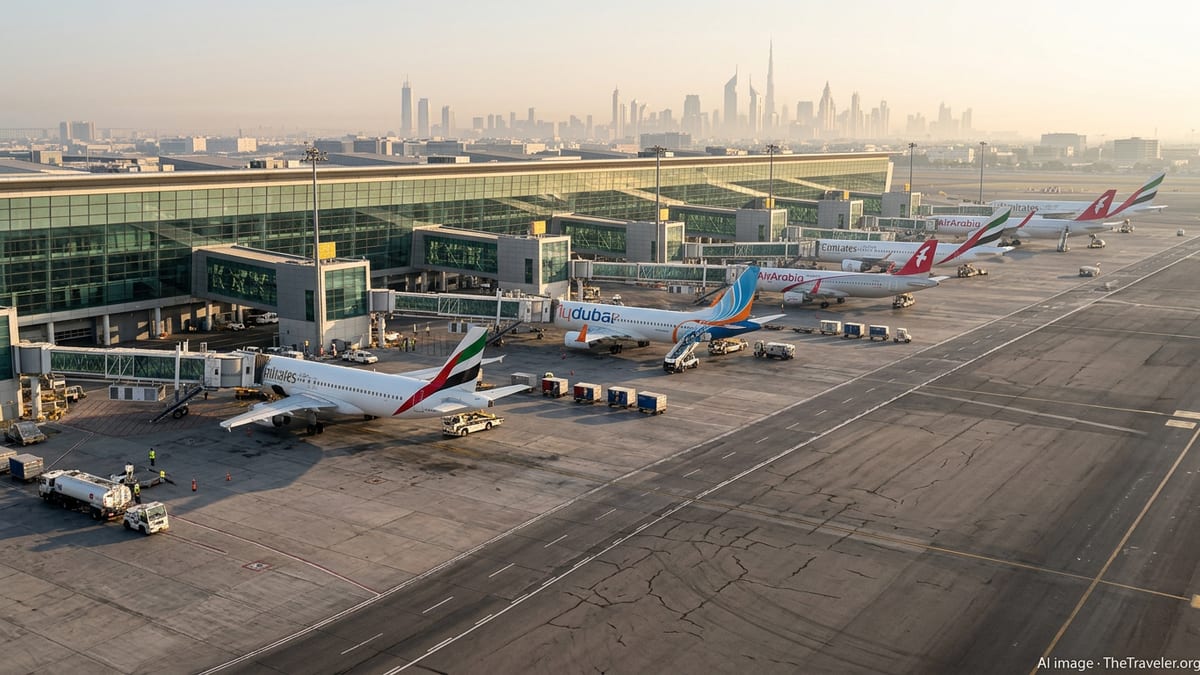
Slow Restart After Widespread Middle East Airspace Closures
Air travel across the Gulf ground to a halt from February 28 following sudden regional airspace restrictions linked to rising tensions in the Middle East. Thousands of flights were cancelled or diverted as safety regulators closed key corridors, forcing carriers based in the United Arab Emirates to suspend most passenger services almost overnight.
In recent days, authorities have begun reopening select routes, allowing Emirates, Etihad Airways, Air Arabia and flydubai to operate a limited schedule focused on core destinations and repatriation demand. The restart remains cautious, with airlines prioritising safety, crew positioning and air traffic control constraints before expanding frequencies.
For travellers, the result is a patchwork of available flights, longer routings and rapidly changing timetables. Carriers are strongly urging customers to check their booking status before heading to the airport and to expect extended call centre waiting times as they work through a large backlog of disrupted itineraries.
While many long-haul routes remain reduced or suspended, aviation analysts say the phased reopening in early March marks an important turning point from full shutdown toward gradual stabilisation, even if schedules are likely to remain volatile for several weeks.
Emirates: Reduced Network, Priority Rebooking And Refund Window
Emirates has begun operating a fraction of its normal global network, confirming departures to a limited list of cities on March 5 and 6 and adding further flights day by day as new safe corridors are cleared. The Dubai-based carrier is focusing on high-demand trunk routes and repatriation services, with capacity closely managed to accommodate passengers stranded by earlier cancellations.
The airline has made clear that travellers whose journeys were disrupted from February 28 are being prioritised ahead of new bookings. Many seats on early restored services are reserved for passengers who were previously cancelled, reprotected or left mid-itinerary when airspace initially closed. New ticket sales are generally being opened only after disrupted customers have been offered alternatives.
To support affected travellers, Emirates has introduced a temporary waiver policy covering tickets issued before the crisis and travel dates falling in the main disruption window. Customers whose flights are cancelled or who choose not to travel because their itinerary is directly impacted can request free date changes, subject to availability, or a full refund in the original form of payment.
Crucially, passengers do not need to accept travel vouchers or credits if they prefer a refund, provided their booking falls within the specified disruption dates and conditions. Emirates is directing customers to manage changes online where possible, but warns that processing times for rebookings and refunds may be longer than usual given the scale of the operational reset.
Etihad Airways: Limited Restart From Abu Dhabi With Broad Waiver
From March 6, Etihad Airways is resuming a limited commercial schedule from Abu Dhabi to a defined list of regional and long-haul destinations, following several days in which only select repatriation and essential services operated. The airline describes the timetable as a “controlled restart”, with frequencies adjusted daily as airspace access and demand evolve.
Etihad is asking passengers not to travel to Abu Dhabi International Airport unless they have been directly contacted by the airline or hold a confirmed seat on one of the newly reinstated flights. This is intended to prevent overcrowding in terminals and ensure priority assistance for travellers with active bookings or urgent travel needs.
The carrier has issued a comprehensive waiver for tickets issued on or before February 28 and travel dates falling within the disruption period. Eligible customers whose flights have been cancelled or significantly changed can rebook free of charge to a later date, typically within a defined extension window, or request a full refund if they no longer wish to travel.
Etihad has temporarily disabled some automatic refund functions in global distribution systems to maintain tighter manual oversight of cases. Travel agents are being advised to ensure passenger contact details are correctly entered so schedule changes and options can be communicated quickly as the situation develops.
Flydubai And Air Arabia: Gradual Resumption Across Low-Cost Networks
Flydubai was among the first UAE carriers to confirm a limited resumption of scheduled operations, restarting select outbound services from Dubai International from March 2. The airline is operating with a reduced timetable, warning that flight durations may be longer than usual due to rerouting around restricted airspace and that further changes remain possible at short notice.
Customers booked to travel on flydubai between late February and the end of March are being offered the option to move their trip to a later date without penalty within a defined rebooking window, subject to availability in the same cabin. Passengers whose flights are cancelled can request alternative transport or a full refund, in line with the carrier’s disruption policy.
Sharjah-based low-cost operator Air Arabia has also begun gradually reinstating flights on previously suspended routes as regional airspace reopens. The airline is focusing first on core markets across the Middle East, North Africa and the Indian subcontinent, with some onward services operated via partner hubs. Travellers are being urged to monitor their booking status closely, as departure times and routings may change while schedules are rebuilt.
Both airlines emphasise that safety remains the overriding priority and that their operations teams are working with regulators and air navigation authorities to validate each routing before it is loaded for sale. For budget-conscious travellers, the flexible policies in place offer rare latitude to shift dates without change fees, although fare differences may still apply on some rebooked itineraries.
What Travellers Need To Know About Rebooking And Refunds
Across Emirates, Etihad, Air Arabia and flydubai, several themes are consistent: passengers on cancelled flights are entitled to free rebooking or refunds; those whose flights remain scheduled but are directly affected by the closures often have additional flexibility; and all carriers are urging customers not to head to the airport without a confirmed seat.
In practical terms, travellers should first check the status of their flight using the airline’s booking management tools, which are being updated more quickly than third-party apps or airport departure boards. If a flight shows as cancelled, passengers can typically choose between rebooking onto the next available service to the same destination within the permitted window or requesting a full cash refund.
Where a flight remains scheduled but the itinerary passes through affected airspace or a previously closed hub, many customers are finding that change and refund options are still being offered on an exceptional basis. However, conditions vary by carrier and by travel date, so it is important to review the specific advisory for each airline and contact customer service or a travel agent if in doubt.
Given the volume of disrupted journeys, travellers should be prepared for long response times via phone and chat and consider using online forms where available to submit refund or change requests. Keeping contact details up to date in reservations and monitoring messages daily will help ensure that any last-minute schedule changes or rebooking offers are not missed as the Gulf’s aviation sector navigates its way back to a more stable operating pattern.