

Manitoba rewards patient, well prepared travelers. Vast skies, long straight highways and remote northern communities make the province feel bigger than the map suggests. With thoughtful planning around weather, distances and logistics, you can enjoy everything from prairie road trips to polar bear viewing with confidence rather than stress.
Understanding Manitoba’s Big-Sky Geography
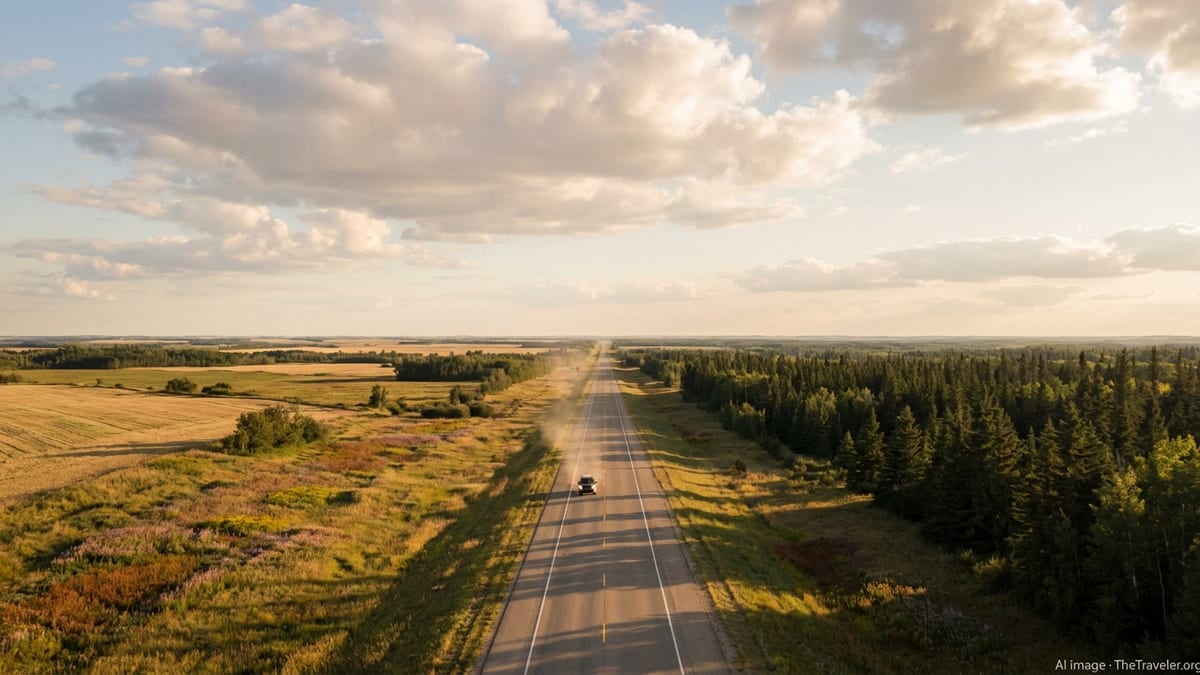
Manitoba stretches from rich prairie farmland in the south to tundra on the shores of Hudson Bay in the north. The province looks compact on a map of Canada, but the reality on the road is different. Communities are spread out, services can be separated by long distances and much of the north has no road access at all. For visitors used to dense networks of highways and towns, the sheer scale can be surprising.
Most trips start or pass through Winnipeg, the provincial capital and main air and rail hub. From Winnipeg you can reach many southern destinations in a half day of driving, but heading north quickly becomes a long haul. Even well traveled corridors between Manitoba and neighboring provinces involve stretches of highway with limited fuel, food or accommodation. This makes advance planning less of a nice extra and more of a basic safety step.
The farther you travel from Winnipeg and the Trans Canada Highway, the more important it becomes to think in terms of regional “zones.” Southern agricultural country, lake country in the Interlake and Parklands, the Canadian Shield in the east and the subarctic north all have different terrain, road conditions and infrastructure. Building your itinerary with those shifts in mind will keep your expectations realistic and your schedule flexible.
If your dream is to see polar bears, beluga whales or northern lights in Churchill, it is important to understand that this remote community on Hudson Bay is not connected to the rest of Manitoba by road. Travelers reach Churchill by air or by rail from the south, even though there is a small local road network within the town itself. This single fact shapes how you plan timing, budget and backup options for northern adventures.
Weather by Season: What to Expect and When to Go
Manitoba has a continental climate with pronounced seasons. Winters are long and cold, summers are warm, and spring and autumn can change quickly from comfortable to chilly. In the south, summer daytime highs often sit in the low to mid 20s Celsius, while winter temperatures commonly drop well below freezing. Farther north, especially along Hudson Bay, conditions trend colder and more severe.
For general road trips, the most straightforward time to visit is late spring through early autumn. From roughly late May to September, most highways are dry, daylight lasts well into the evening and visitor services operate on peak schedules. July and August can bring heat and humidity, especially in southern Manitoba, along with thunderstorm activity. Early autumn offers cooler temperatures, fall colors in forested areas and fewer insects, which many travelers find ideal.
Winter visits require a very different mindset. From December into March, snow, ice and extreme cold shape every aspect of travel. In the north, including communities such as Churchill, winter temperatures can plunge to levels where exposed skin freezes quickly and vehicles require careful winterization to start reliably. Blowing snow and sudden weather systems can cause zero visibility on highways and lead to temporary road closures or flight delays. Travelers who embrace winter sports and northern lights viewing often find this season magical, but only if they arrive well equipped and mentally prepared.
Transitional seasons can be deceptive. Spring thaw may leave gravel and secondary roads soft, rutted or subject to temporary weight restrictions. Early winter can see alternating freeze and thaw cycles that create glare ice on pavement. Checking conditions frequently in the weeks and days before you travel will help you choose the right clothing, gear and even the right route for the forecast you are likely to encounter.
Driving Distances, Travel Times and Fuel Planning
The most common surprise for visitors driving in Manitoba is how long it takes to get between major points of interest. Even in the more populated south, once you leave urban centers and the Trans Canada Highway, you can drive for long stretches without passing a town. Fuel stations, rest stops and accommodation are not guaranteed at short intervals, especially at night or outside peak season.
As a basic rule, always fill your tank before leaving a city or large town, and do not rely on a single small station in a rural community being open at a specific hour. Some routes have services every 100 to 150 kilometers, while others may have greater gaps. Downloading maps for offline use and noting communities with fuel and basic groceries along your route will make your day more relaxed, particularly if cell coverage becomes patchy.
Driving times can be misleading when you look only at distance. On busy summer weekends near lakes and parks, traffic and construction can slow you down. On winter roads or in areas with frequent wildlife crossings, you may decide to drive more slowly than the posted limit for safety. Planning conservative travel days, and building in time for a real stop rather than only short breaks at fuel pumps, will keep fatigue from creeping in.
If your plans include connecting to train or flight departures, treat your drive as only one segment in a longer chain. Aim to arrive in your gateway city or town well ahead of departure time, ideally with at least one buffer night for major long haul trips, especially during seasons when storms or heavy smoke can disrupt schedules. This approach is particularly valuable if you are heading onward to Churchill, where weather delays are not unusual.
Winter Roads, Ice Travel and Remote Northern Routes
In northern Manitoba, a network of temporary winter roads opens each year to connect remote communities that have no permanent all season highway access. These routes are built on frozen lakes, rivers and muskeg, and are designed primarily for essential freight and local traffic. They can be rugged, change quickly with temperature swings and operate only for a limited season when ice and ground conditions are safe.
Winter roads do not have the same engineering standards or signage as paved highways. Surfaces are packed snow or ice, and stopping distances are significantly longer than on bare pavement. For safety reasons, authorities recommend reduced speeds, especially for heavy vehicles, and emphasize that travel should only take place when sections are officially open. Driving on closed or partially thawed winter roads is dangerous both for people and for the fragile surface.
These routes are not designed as casual scenic drives for visitors. There may be minimal or no services along long stretches, and assistance in case of breakdown can take time to arrive. Weather systems can bring sudden storms, ground drifting and whiteout conditions that make navigation extremely difficult even for experienced local drivers. Travelers without specific reasons or local support to be on winter roads are usually better served by sticking to all season highways or joining specialized tours.
If your interests focus on the remote north, one of the safest ways to experience that landscape is by rail or air from southern gateways. This is especially true for trips to Churchill, which has no direct road link to the provincial highway system. Understanding these limitations up front will keep you from building unsafe or unrealistic driving plans into your itinerary.
Churchill, Polar Bears and Northern Logistics
Many travelers know Manitoba primarily through photographs of polar bears on the shores of Hudson Bay. Churchill, often called the polar bear capital of the world, is a small community that sits at the meeting point of boreal forest, tundra and sea ice. Despite its fame, it remains remote. You cannot simply drive from Winnipeg to Churchill. Instead, visitors arrive either by scheduled flights from southern hubs or by taking a long distance train through boreal forest and tundra.
The train journey from Winnipeg into Churchill is an experience in itself, often lasting close to two days. It offers a sense of how landscapes and ecosystems shift as you move north. Flights provide a faster option, typically a few hours from Winnipeg or shorter from northern centers. In both cases, weather plays a major role in operations. High winds, snowstorms and other conditions can delay or divert services, especially in late autumn and winter, so building flexibility into your schedule is essential.
Polar bear viewing is highly regulated and usually done with licensed tour operators using specially adapted vehicles on designated routes outside town. The community also operates a polar bear alert system during peak season to manage encounters near Churchill and keep both bears and people safe. Visitors are expected to follow local guidelines about where they can walk, when to move in groups and when to rely on guided excursions. This can feel restrictive if you are used to roaming freely, but it is a key part of being a responsible guest in a place where apex predators are genuinely present.
Churchill’s small size also shapes your planning. Accommodation and guided tours can sell out far in advance for peak polar bear and beluga whale seasons. Rental vehicles on site are limited and often booked ahead. Travel insurance that covers weather related delays and cancellations is strongly recommended, as is a willingness to stay an extra day or two if conditions require it. In return, you gain access to one of the most remarkable small communities in northern Canada.
Road Safety, Wildlife and Emergency Preparedness
Whether you are driving across prairie farmland or through Canadian Shield rock cuts, road safety in Manitoba comes down to respecting conditions and staying patient. Winter driving requires particular care. Snow and ice increase stopping distances, strong winds can whip up ground drifting and visibility can drop rapidly during storms. Provincial authorities routinely advise drivers to check official road information services before setting out, and to consider delaying or cancelling travel when conditions are poor.
Wildlife is another constant factor. On many routes, especially near forested areas and lakes, you may encounter deer, moose or black bears near the roadside. These animals are most active around dawn and dusk, and collisions can be serious. Slowing down, scanning shoulders and being prepared for animals to move unpredictably across the road are simple but important habits. At night, using high beams where permitted and safe can give you more reaction time, but you still need to be ready to brake.
Because distances are long and weather can change quickly, carrying basic emergency supplies is wise in all seasons. In winter, this might include warm clothing, blankets, a shovel, traction aids, non perishable food and water, and a fully charged phone with a car charger or power bank. In summer, extra drinking water, sun protection and insect repellent become more important. Letting someone know your planned route and expected arrival time before you set off on remote drives is a simple precaution that can make a major difference in an emergency.
It is also worth familiarizing yourself with local expectations around sharing the road. On two lane highways, passing opportunities may be limited by curves, hills or heavy truck traffic. Waiting for a clear, legal passing zone can test the patience of drivers used to multi lane freeways, but it improves everyone’s safety. On gravel roads common near cottage areas and parks, reducing speed to avoid washboard surfaces and loose stones will make the drive more comfortable and reduce the risk of losing control.
Booking, Timing and Building Flexibility Into Your Itinerary
Careful timing can transform your Manitoba trip from rushed to rewarding. In a province where conditions shift dramatically by season, booking patterns and practical details follow their own rhythms. Summer brings the highest volume of visitors to lakes, national parks and music or cultural festivals. Accommodation in popular areas such as Riding Mountain National Park or around major lakes tends to book early for key weekends. If your travel dates are fixed around school holidays or specific events, reserving places to stay and key activities well in advance will reduce stress.
Shoulder seasons can be appealing for lower prices and fewer crowds, but they also require flexibility. Some small lodges, outfitters and seasonal restaurants may shorten their operating periods or close entirely outside peak months. Trails, campgrounds and water access points can be affected by lingering snow, ice or high water during spring thaw, or by early freezes in late autumn. A realistic plan includes not only preferred options but also backup choices if a specific hike, boat tour or scenic drive is unavailable on the day you arrive.
For complex itineraries that combine flights, trains and long drives, building in buffer days is particularly valuable. A night in Winnipeg between a remote northern trip and an international departure, for example, gives you room to absorb a weather delay without missing a long haul flight. Travelers heading to Churchill during peak polar bear or northern lights seasons often plan an extra night on either side of their main tour dates to account for possible schedule changes.
Throughout the planning process, treat your itinerary as a framework rather than a rigid script. Manitoba’s wide open spaces and changing skies are part of its appeal, and some of your most memorable moments may come from unplanned stops in small towns or at unexpected viewpoints. Staying informed about road, weather and fire conditions, while allowing time to respond to them calmly, will help you enjoy those detours rather than resent them.
The Takeaway
Traveling in Manitoba is as much about mindset as logistics. The province offers long empty highways, remote northern communities and quietly beautiful landscapes that reward those who slow down, pay attention to conditions and give themselves room to adapt. Thinking carefully about weather patterns, realistic daily distances and the limits of road access will keep you safe and comfortable as you explore.
By choosing the right season for your interests, planning conservative driving days, respecting winter and wildlife hazards and building flexibility into schedules that involve trains and planes, you can turn Manitoba’s challenges into part of the adventure. With preparation and patience, the province’s big skies, lakes, forests and tundra offer a deeply satisfying travel experience that feels far removed from rushed urban routines.
FAQ
Q1. Can I drive all the way from Winnipeg to Churchill?
In practical terms, no. There is no all season road linking Winnipeg and Churchill. Most visitors reach Churchill by scheduled flight or long distance train, then use local vehicles or guided tours once in town.
Q2. What is the best time of year to road trip in Manitoba?
For most travelers, late spring to early autumn offers the easiest conditions, with longer daylight, milder temperatures and fully open services. Early autumn often balances comfortable weather with fewer insects and lighter crowds.
Q3. How far apart are fuel stops on Manitoba highways?
In southern Manitoba you may find fuel every 100 to 150 kilometers, but gaps can be longer in remote regions. Always fill up before leaving a city or large town and avoid assuming a single small station will be open at a specific hour.
Q4. How dangerous is winter driving in Manitoba for visitors?
Winter driving can be challenging due to ice, snow, strong winds and very low temperatures. With proper tires, a well maintained vehicle, emergency supplies and a willingness to postpone travel during storms, many visitors manage safely, but caution and preparation are essential.
Q5. Do I need four wheel drive to explore Manitoba?
Most major highways and many secondary roads can be driven safely in a standard vehicle, especially in summer. Four wheel drive becomes more useful on unpaved cottage roads, in deep snow or when accessing certain remote areas, but it is not a substitute for careful driving.
Q6. How should I prepare for wildlife on the roads?
Expect possible encounters with deer, moose and other wildlife, especially near forests and lakes around dawn and dusk. Reduce speed, watch road shoulders carefully and be ready for animals to move unpredictably. In northern communities like Churchill, follow local guidance regarding polar bear safety.
Q7. What clothing should I pack for a summer visit?
Pack lightweight layers for warm days, a light jacket or fleece for cooler evenings, rain protection, a hat and sunblock. In lake and forest regions, insect repellent and long sleeves for evenings are very helpful during peak mosquito and blackfly season.
Q8. Is cell service reliable across Manitoba?
Coverage is generally good in and near cities, towns and major highways, but it can become patchy or absent in remote areas. Download offline maps, store key information in your phone, and avoid relying entirely on live navigation or data connections away from populated corridors.
Q9. How far in advance should I book for Churchill polar bear season?
Tour operators and accommodations often fill up months, and sometimes a year, in advance for peak polar bear viewing periods. Booking early secures preferred dates and allows you to arrange flights or train journeys around confirmed tour schedules.
Q10. Do I need travel insurance for a Manitoba trip?
While not mandatory, travel insurance that covers medical care, trip interruptions and weather related delays is strongly recommended, particularly for remote or northern itineraries where storms or operational issues can affect flights and trains.