

Minnesota rewards travelers who respect its weather. From subzero blizzards to glassy summer lakes and riotous fall color, the North Star State is defined by its seasons. If you plan around the climate, pack smart, and build flexibility into your itinerary, you can enjoy everything from Boundary Waters canoe trips to cozy winter festivals in comfort and safety. This guide explains how Minnesota’s seasons really feel, how to read the forecasts, and what to know before you hit the road.
Understanding Minnesota’s Four Distinct Seasons
Minnesota truly experiences four separate seasons, and each one dramatically shapes how your trip will feel. Winters are long and cold, with frequent snow and regular subfreezing temperatures from roughly late November through March. Extended cold snaps with daytime highs below 0°F are not unusual in the northern half of the state, while the Twin Cities can see sharp wind chills and occasional blizzard conditions that make travel difficult or temporarily unsafe.
Spring arrives late by many travelers’ standards. March can still feel like winter, especially outside the metro areas. Snowmelt, muddy trails, and chilly rains often dominate April, with more consistent warmth typically not settling in until May. If you visit in early spring, be prepared for a mix of melting snowbanks, slick sidewalks, and cold rain rather than instant wildflowers and open-water lakes.
Summer in Minnesota is short but often spectacular. From June through August, expect warm days, comfortably cool nights in the north, and long daylight hours that stretch well into the evening. Humidity and occasional heat waves do occur, especially in southern and central Minnesota, and severe thunderstorms can develop quickly. Mosquitoes and other insects are part of the landscape around wetlands and forests, especially near dusk.
Autumn is many Minnesotans’ favorite season and a strong option for visitors. September often brings crisp mornings and sunny afternoons, with lake water still relatively warm. Fall colors typically peak from mid-September to early October in the north and a bit later farther south, though timing shifts slightly from year to year depending on weather. By late October and November, temperatures slide quickly, days shorten, and early snowfalls are possible.
Winter Realities: Cold, Snow, and When to Go
Winter is both Minnesota’s greatest challenge and one of its biggest draws. Travelers come for ice fishing, snowmobiling, hockey, and winter festivals, but success depends on preparing for true Arctic-style cold. Wind chills can drop to levels where exposed skin is at risk of frostbite in minutes, and the National Weather Service routinely issues advisories and warnings when extreme cold or heavy snow is expected. Learn the difference between watches, advisories, and warnings so you understand when to alter your plans.
Snowfall patterns vary across the state. Lake-effect snow can boost totals along parts of the North Shore, while blizzards on the open prairies of western and southern Minnesota can trigger whiteout conditions and road closures. State and local authorities sometimes issue “no travel advised” alerts on highways when visibility collapses and blowing snow overwhelms plow operations, particularly in rural areas with open fields. When those advisories appear, the safest choice is usually to postpone driving until conditions improve.
Timing your winter trip can help you thread the needle between deep cold and slushy shoulder-season weather. January often brings the most intense cold, which can be ideal for events that rely on thick ice, such as lake festivals and long-distance snowmobile routes. Late February can be slightly milder while still offering strong snow cover for skiing and snowshoeing. Early December and March are more variable; you might encounter fresh snow and scenic frost or bare ground and icy sidewalks.
If you are not accustomed to winter conditions, consider basing yourself in the Twin Cities or another larger town, where snow removal, heated indoor attractions, and frequent weather updates make it easier to adapt from day to day. Build backup plans that keep you indoors on the worst days, from museums and theater to indoor markets and sports venues.
Spring Thaw, Summer Lakes, and Fall Color Timing
Shoulder seasons in Minnesota offer quieter travel and lower prices, but they demand flexibility. In spring, the snowmelt period can be messy. Trails can be muddy, gravel roads rutted, and lake ice may linger longer than you expect, especially in the north. If you are planning a canoe trip or fishing opener, confirm typical ice-out dates for your destination region and be prepared for last-minute adjustments if the winter has run long.
Summer is dominated by lake life. From the Boundary Waters Canoe Area Wilderness to resort regions like Brainerd and Detroit Lakes, June through August is prime time for paddling, swimming, and cabin stays. Thunderstorms often build in the late afternoon or evening, sometimes with strong winds and hail. It is wise to schedule longer hikes and open-water paddling for earlier in the day and to keep an eye on radar and local forecasts, especially if you are camping or on the water.
Fall colors draw visitors to the North Shore, Mississippi River bluffs, and central forests. Because peak color timing shifts each year, travelers should treat projected dates as rough guidance, not guarantees. A warm September can delay color, while an early cold snap or strong windstorm can end the show quickly. Plan a travel window of several days rather than a single weekend if foliage is your main goal, and include non-scenic activities like small-town breweries, museums, or college-town events in case the trees are running ahead of or behind schedule.
By late fall, travel begins to feel more like winter. Daylight is limited, temperatures drop rapidly after sunset, and frost and light snow can appear overnight even when afternoons are relatively mild. This is a good time for city-focused itineraries and day trips where you can easily retreat indoors when the sun sets or the wind picks up.
Packing Smart for Minnesota’s Changing Conditions
Packing for Minnesota starts with the assumption that weather will be more extreme than you expect and will shift during your stay. Even in summer, nights near Lake Superior or in the northern forests can be unexpectedly cool, making a light jacket or fleece useful. In shoulder seasons and winter, layering is the key strategy: bring base layers that wick moisture, insulating mid-layers, and a windproof, water-resistant outer shell that can handle snow or rain.
For winter visits, a warm, insulated coat, hat, scarf or neck gaiter, and insulated gloves or mittens are essential. Sturdy, waterproof boots with good grip are more important than stylish shoes, especially where sidewalks and parking lots can be icy or slushy. Chemical hand warmers, thermal socks, and face coverings or balaclavas are popular among locals when wind chills plunge. Travelers who plan to be active outdoors should avoid cotton next to the skin and choose wool or synthetic fabrics that retain warmth even when damp.
In summer, pack lightweight clothing but do not forget protection from both sun and insects. A wide-brimmed hat, sunglasses, long-sleeved shirts for evenings, and insect repellent are basic necessities around lakes and forests. Quick-drying fabrics and sandals that can get wet are valuable if you will be around docks or canoe landings. A compact rain jacket can keep a brief shower from soaking your daypack or camera equipment.
Year-round, weather-aware accessories make travel more comfortable. Collapsible umbrellas, reusable water bottles, and daypacks large enough for extra layers allow you to adjust as the temperature changes over the course of the day. If you are renting a car, consider bringing a small ice scraper, compact snow brush in winter, or shade screen for summer parking. Many visitors underestimate how rapidly conditions can change between morning and night; plan your packing list with those swings in mind.
Driving, Road Conditions, and Seasonal Safety
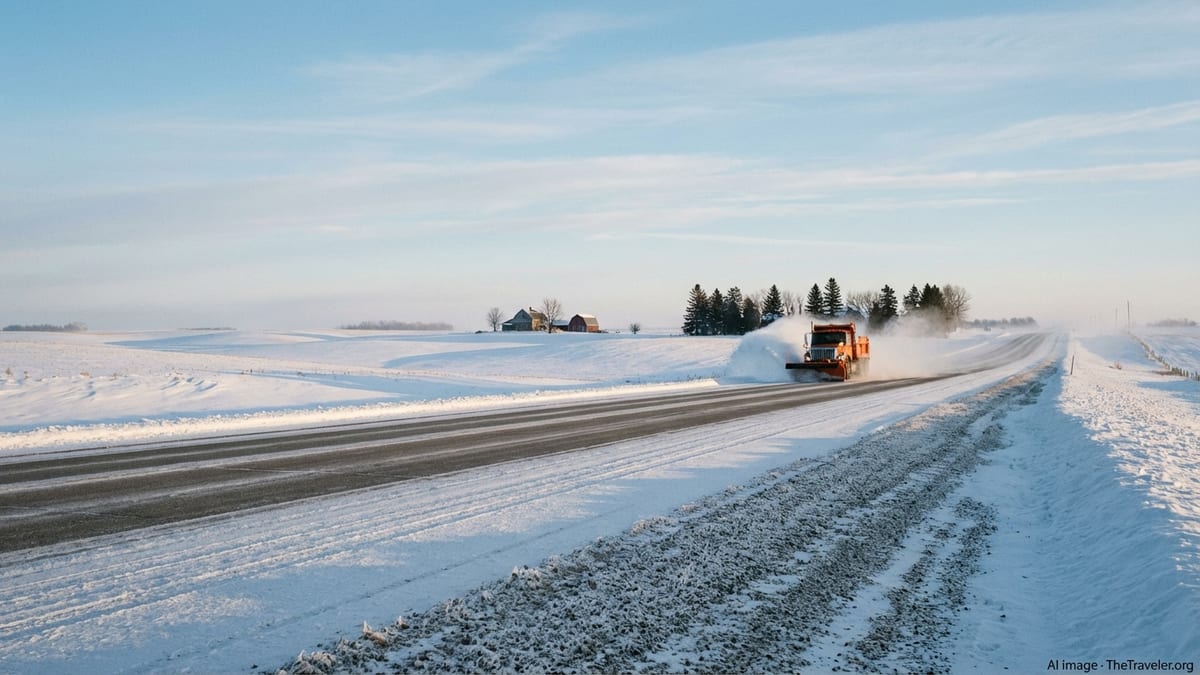
Many visitors explore Minnesota by car, and driving is often the most convenient way to reach lakes, small towns, and parks. In winter, however, road conditions can deteriorate quickly during storms. The Minnesota Department of Transportation operates an extensive snowplow fleet, but heavy snowfall, strong wind, and blowing snow can combine to create whiteout conditions and icy patches even on major highways. Authorities occasionally issue advisories that travel is not recommended on certain routes, especially in open rural areas.
Before setting out, review current road and weather reports and be ready to delay or reroute your trip if conditions worsen. Give plows plenty of space to work, and remember that posted speed limits assume dry pavement; in winter, safe speeds may be much lower. Sudden braking, sharp turns, and following other vehicles too closely are common causes of winter crashes. Black ice can form on bridges, overpasses, and shaded stretches of road even when the rest of the highway looks clear.
Travelers planning long winter drives should carry a basic cold-weather emergency kit in the car. Locals often include warm clothing layers, blankets, snacks, water, a flashlight with fresh batteries, a shovel, and sand or cat litter for traction. Keeping your fuel tank at least half full is wise during cold snaps in case you are delayed and need to keep the engine running for warmth. If you do become stranded, safety officials consistently advise staying with your vehicle, calling for help, clearing snow from the exhaust pipe, and running the engine periodically while cracking a window to avoid carbon monoxide buildup.
In non-winter seasons, driving is generally straightforward, but travelers should still watch for heavy rain, fog, and wildlife. Deer are common along forested and rural roads, especially around dawn and dusk in the fall. In spring, rural gravel roads can be muddy and rutted. In summer, storms can drop heavy rain in short bursts, briefly flooding low spots and reducing visibility. Leave extra time in your schedule, especially if you are driving after dark in unfamiliar areas.
Planning Itineraries Around Weather and Daylight
Thoughtful planning around Minnesota’s daylight patterns and forecast trends can make your trip smoother and safer. In winter, daylight is limited, particularly in December and January when the sun sets early in the afternoon. Schedule longer drives and outdoor activities for the middle of the day when visibility and temperatures are best. Reserve evenings for indoor dining, cultural events, and relaxation. If you are arriving from a sunnier climate, it can be helpful to account for the mental and physical impact of short days.
Summer offers the opposite experience: long evenings and slow sunsets, especially in June near the solstice. You can comfortably plan scenic drives and outdoor activities well into the evening, though it is still smart to keep an eye on the sky for building thunderstorms. If your plans involve paddling or hiking far from roads, start early and leave cushions of time so that an unexpected storm or delay does not push you into traveling after dark.
Weather in Minnesota can change rapidly over the course of a few days. When building an itinerary, identify which activities are relatively weather-sensitive and which are resilient. Outdoor concerts, long paddles, and exposed hikes are more likely to need rescheduling than museum visits, brewery tours, or indoor sports events. Consider grouping your most weather-dependent plans into windows of a few days and keeping backup options ready for days with heavy rain, severe thunderstorms, or extreme cold advisories.
Finally, understand that some of Minnesota’s most memorable experiences occur precisely because of the weather. A foggy morning on the North Shore, a fresh snowfall in a pine forest, or a crisp autumn afternoon at a small-town harvest festival can become the highlights of a trip. By planning with the climate rather than fighting it, you give yourself the best chance to enjoy those moments safely.
Health, Safety, and Respecting Local Conditions
Cold and heat can both pose health risks in Minnesota, particularly if you are not used to the extremes. In winter, hypothermia and frostbite are genuine concerns during Arctic outbreaks. Dress in layers, limit time outdoors when wind chills drop into dangerous ranges, and listen to local advice about when it is simply better to stay inside. Alcohol can give a false sense of warmth, so pair evening outings with realistic assessments of your clothing and the walk back to your lodging.
In summer, high humidity and warm temperatures can lead to heat stress, especially for visitors engaged in strenuous activity like portaging canoes or hiking long distances. Hydrate regularly, take breaks in the shade, and avoid scheduling the most demanding activities for the hottest part of the afternoon. Sunburn is easily overlooked on the water or during long days outside, particularly when cool breezes mask the intensity of the sun.
Lake and ice safety deserve particular attention. In winter, do not assume that frozen lakes are safe to walk, skate, or drive on simply because the surface appears solid. Ice thickness can vary greatly due to currents, springs, or pressure ridges. Follow local guidance, look for posted warnings, and observe what residents and outfitters are doing. In summer, treat cold northern lakes with respect: even on warm days, the water can be chilly enough to cause problems for weak swimmers or anyone who falls in unexpectedly without a life jacket.
Respecting local conditions also means recognizing when services may be limited. In remote northern regions and along certain forest roads, cell coverage can be spotty, and small towns may have reduced hours outside peak season. Check the operating seasons of campgrounds, tours, and attractions in advance, particularly in early spring and late fall. Build extra time into any itinerary that involves remote trailheads or backcountry travel.
The Takeaway
Traveling well in Minnesota is less about chasing perfect weather and more about understanding how the climate shapes daily life. Winters can be harsh but also magical when you are properly equipped. Summers deliver long days of lake time and outdoor festivals, tempered by the need to watch storms and insects. Spring and fall offer quieter roads and striking transitions, along with a higher demand for flexibility.
By learning how the seasons feel on the ground, packing with layers and versatility in mind, and respecting road conditions and local advisories, you set yourself up for a rewarding trip. Whether you are skating on a frozen city lake, paddling through northern wilderness, or wandering through fall foliage along the Mississippi River bluffs, weather-aware planning will help you stay comfortable, safe, and fully present for the experiences that make Minnesota distinct.
FAQ
Q1. What is the best time of year to visit Minnesota for first-time travelers?
For most first-time visitors, late June through September offers the most comfortable combination of warm temperatures, open lakes, and long daylight, with lower risk of extreme cold or snow.
Q2. How cold does Minnesota actually get in winter?
In many parts of the state, overnight lows routinely drop below 0°F in midwinter, and wind chills can reach levels where exposed skin is at risk of frostbite in minutes during the coldest outbreaks.
Q3. Do I need special tires or equipment to drive in a Minnesota winter?
Winter-rated or all-weather tires with good tread are strongly recommended if you plan to drive regularly in snow and ice. At a minimum, ensure your rental or personal vehicle has quality tires, an ice scraper, and enough fuel, and be prepared to delay travel during major storms.
Q4. Is it safe to walk or drive on frozen lakes?
Frozen lakes can be safe when ice is thick enough, but conditions vary widely. Always follow local guidance, look for posted information, and never assume ice is safe just because it appears solid or because other people are on it.
Q5. What should I pack for a winter trip to Minnesota?
Pack a warm insulated coat, hat, scarf or neck gaiter, waterproof boots with good traction, insulated gloves or mittens, and multiple clothing layers made of wool or synthetic fabrics rather than cotton so you stay warm even if you get damp.
Q6. Are summer mosquitoes really a problem in Minnesota?
In many lake and forest areas, mosquitoes can be intense at dusk, especially in early and mid-summer. Using insect repellent, wearing long sleeves in the evening, and choosing lodging with screens or air conditioning usually keeps them manageable.
Q7. How quickly can weather change during a Minnesota trip?
Weather can shift noticeably within a day or two, and storms can develop over a few hours. A warm, sunny afternoon can turn into a cool, windy evening, so travelers should check forecasts frequently and carry extra layers on day trips.
Q8. Do attractions and parks stay open year-round?
Major cities and many indoor attractions operate year-round, but some parks, campgrounds, and tours close or reduce services in winter and during early spring and late fall shoulder seasons. Always confirm operating dates before you travel.
Q9. How should I plan driving distances in winter?
In winter, build extra time into every drive, avoid scheduling tight same-day connections, and be ready to adjust plans if advisories warn against travel. Daytime driving is generally safer than night driving during snow or extreme cold.
Q10. Is it realistic to enjoy outdoor activities if I am not used to cold weather?
Yes, if you dress properly, take frequent warm-up breaks, and choose activities suited to your comfort level, such as short walks, beginner-friendly snowshoeing, or brief outdoor events. Listening to local advice about when conditions are too harsh is key.