

Connecticut often flies under the radar, tucked between New York City and Boston, but first-time visitors quickly discover a compact state rich with maritime history, charming small towns, coastal scenery, and quietly sophisticated culture. With short driving distances, distinct regions, and four very different seasons, it is an easy and rewarding introduction to New England. A bit of planning, though, will help you make the most of your time, especially if you are visiting for the first time.
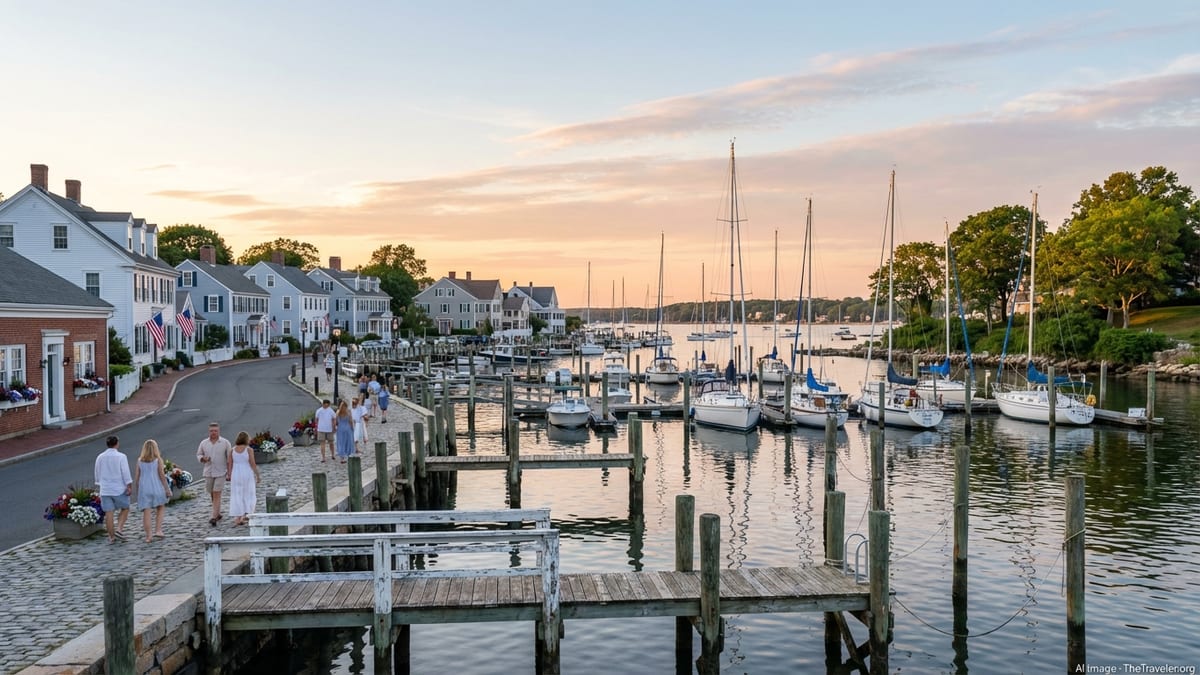
Understanding Connecticut at a Glance
Connecticut is one of the smallest U.S. states by land area, which works in your favor as a visitor. You can drive from the New York border to the Rhode Island line in a few hours, and from the shoreline on Long Island Sound up to the Massachusetts border in roughly the same time. Within that compact footprint you will find low-key beaches, colonial town greens, ivy-draped campuses, forested hills, and former mill towns that now house galleries and breweries. For a first visit, think of the state in loose zones: the coastal corridor along Interstate 95, the central river valley anchored by Hartford, and the more rural northwest and northeast corners.
Culturally, Connecticut blends old Yankee heritage with suburban ties to New York and Boston. You will see this in the architecture, from white-steepled churches around historic greens to Gilded Age mansions and midcentury modern homes. You will also notice it in the food, which includes farm-to-table dining, seafood pulled from nearby waters, and a pizza culture that has gained national attention, particularly around New Haven. For a first-time trip, it helps to arrive with flexible expectations. Connecticut is not a theme-park destination. Its appeal lies more in atmosphere, local detail, and the pleasure of moving between different small-scale experiences.
Because the state sits between two major metropolitan areas, it can be busy along transport corridors, especially on commuter rail lines and highways at rush hour. Venture even a short distance off the main routes, however, and the pace slows quickly. Many visitors use Connecticut as a long-weekend getaway or part of a wider New England road trip, but it also works on its own as a relaxed, multi-day stay focused on one region.
Best Time to Visit and Seasonal Planning
Connecticut has four distinct seasons, and your experience will vary significantly depending on when you visit. Late spring, from roughly May into early June, often brings comfortable temperatures, blooming gardens, and fewer crowds than peak summer. This can be an ideal time for first-timers who want to walk around historic towns, tour museums, and take light hikes without dealing with heat and heavy traffic. Many seasonal attractions and outdoor venues open by Memorial Day, so you will have a broad range of options.
Summer, from late June through August, is prime season along the shoreline and lakes. Expect warmer temperatures, busier beaches, and more traffic on coastal roads and around popular destinations such as Mystic, New Haven, and the Connecticut River Valley. Summer is also the time for outdoor concerts, food festivals, and town fairs, including events that celebrate oysters, jazz, maritime history, and small-town traditions. If you plan to visit during this period, book accommodations early, especially in well-known coastal towns and Litchfield Hills, and be prepared to pay higher high-season rates.
Autumn, typically from late September through late October, is when many New England travelers aim for Connecticut. The state’s hardwood forests turn shades of gold, orange, and red, especially in the hillier northwest and along country roads that pass stone walls and farmstands. Weekends during peak foliage can be busy, but driving distances are short and you can often escape crowds simply by choosing a less-famous route. Cooler air also makes this a comfortable time for hiking, biking, or pairing countryside drives with visits to wineries and historic sites.
Winter in Connecticut can be atmospheric, with occasional snowfall, small-town holiday decorations, and indoor attractions that remain open year-round, from art museums to historic houses. Coastal areas tend to be milder but still chilly, while inland hills can see more snow and ice. If you visit in the colder months, build some flexibility into your schedule to account for weather-related delays and shorter daylight hours. Winter can reward you with lower hotel prices and quieter streets, but you may find reduced hours at some seasonal attractions, so double-check opening days and times in advance.
Getting There, Getting Around, and Practical Basics
Connecticut is well-connected by road and rail, which makes it straightforward to fold into a broader trip or treat as a stand-alone destination. Many first-time visitors arrive by car via Interstate 95 along the coast or Interstate 84 from the west. These highways are convenient but can back up during weekday rush hours and at the start and end of summer weekends. If possible, plan your long drives for late mornings or early afternoons and avoid peak commuting windows. Freeways are supplemented by scenic state routes that can be slower but far more pleasant, especially in rural areas.
Rail is a realistic option if you are focusing on cities and major towns rather than backroads and hikes. Amtrak and regional lines serve New Haven, Hartford, and other key hubs, while commuter trains link the southwestern corridor to New York City. Within cities, you will find local buses and, in some places, walkable downtown areas that cluster restaurants, shops, and cultural venues. If your goal is to explore vineyards, state parks, or small villages, however, renting a car will give you far more flexibility.
Driving in Connecticut is generally straightforward for visitors used to North American roads. Urban drivers may be assertive, particularly along the I‑95 corridor, but speeds on secondary roads tend to be moderate. In winter, snow and ice can create challenging conditions on hilly backroads, and it is wise to rent a vehicle with good tires and give yourself extra time. Parking rules are enforced in cities and popular tourist areas, so pay close attention to meters, signs, and resident-only zones. Many small-town centers offer free or low-cost lots just off the main street.
In terms of practicalities, credit and debit cards are widely accepted across the state, from gas stations to independent restaurants. Having a modest amount of cash can still be useful for farmers markets, roadside stands, or small local events. Tipping in restaurants follows standard U.S. norms, often ranging from roughly 15 to 20 percent of the pre-tax bill. Public Wi‑Fi is common in hotels, many cafes, and some town centers, but if you plan to spend time in remote corners of the northwest or northeast, mobile service can become patchier, so download maps and key information in advance.
Top Regions and Experiences for First-Time Visitors
Most first-timers concentrate on a handful of core experiences that can fit into a three to five day visit. Coastal Connecticut is a natural starting point, particularly the area around Mystic. Here you will find a major maritime museum with historic ships, a popular aquarium, and a compact harbor town that lends itself to strolling between shops, restaurants, and waterfront views. Nearby coastal communities offer beaches, boardwalks, and seafood shacks that showcase the region’s connection to the sea.
New Haven, roughly halfway between New York City and New London, combines a lively college-town feel with serious cultural credentials. The presence of a major Ivy League university supports significant art collections, architecture, and performing arts. For many visitors, New Haven is also synonymous with a distinctive style of thin-crust, coal-fired pizza that has put the city on the national food map. Allow time to wander side streets, sample a slice or two, and step into free or low-cost galleries and museums that reflect the city’s intellectual energy.
In central Connecticut, the capital city of Hartford and its nearby towns provide a different lens on the state. Visitors often pair a stop at major museums with attractions tied to American literature, politics, or industry. The surrounding river valley is also a gateway to scenic drives, boat cruises, and parks along the Connecticut River. Planning one or two nights in this region can break up a coastal itinerary and show you another side of Connecticut that is less about beaches and more about history, government, and the arts.
To experience a more rural and traditionally “New England” landscape, head to the Litchfield Hills in the northwest or the quieter northeastern corner sometimes referred to as the Quiet Corner. These areas are known for rolling hills, covered bridges, farmstands, antiquing, and miles of hiking trails. In autumn, they are prime foliage country, while in summer they offer lakes and rivers for paddling and picnics. Towns in these regions tend to be small, with central greens, independent inns, and a scattering of cafes and bakeries that make them ideal for a slower-paced itinerary.
Outdoor Activities, Culture, and Food to Prioritize
Connecticut’s outdoors reward curiosity rather than extreme adventure. You will find numerous state parks and preserves with well-marked trails suitable for moderate day hikes. Rivers and lakes support kayaking, canoeing, and, in season, boat tours that highlight local wildlife and history. Along the shoreline, sandy stretches of beach alternate with rocky coves; water temperatures in summer can be pleasant enough for swimming, especially later in the season. In cooler months, coastal trails and boardwalks give you brisk walks with open views and far fewer people.
Cultural experiences are surprisingly rich for such a small state. Major art museums affiliated with universities display works ranging from European masters to contemporary installations, often with free admission or suggested donations. Historic houses, maritime museums, and restored industrial sites tell the story of Connecticut’s role in shipbuilding, manufacturing, and early American politics. Many of these institutions host rotating exhibitions, lectures, and family programs, so it is worth checking their current offerings before you arrive and allowing yourself time to linger rather than just rushing through.
Food is one of the most enjoyable entry points for first-time visitors. New Haven-style pizza has become a calling card for the state, with long-established pizzerias drawing enthusiasts from far beyond Connecticut’s borders. Along the coast, look for lobster rolls served warm with butter, clam shacks, and seasonal seafood festivals that celebrate oysters and other local catch. Inland, a growing number of farm-to-table restaurants highlight produce from nearby farms, and there is a robust scene of breweries, cideries, and wineries where you can sample regional drinks in relaxed tasting rooms or outdoor patios.
For a deeper sense of place, seek out independent bakeries, diners that locals frequent, and seasonal farm markets that pop up in town greens and parking lots. These are spots where you will overhear everyday conversations, pick up regional treats like apple cider donuts in the fall, and get informal advice about scenic detours or quiet swimming holes. Connecticut is not about elaborate dress codes. Even in more upscale restaurants, smart casual clothing is almost always appropriate, and in many beachside spots, relaxed attire is the norm.
Where to Stay and How Long to Plan
Although Connecticut is compact, first-time visitors are often surprised by the variety of places to stay. You can choose from full-service hotels in cities, chain properties near highway exits, historic inns on village greens, coastal resorts, and rural bed-and-breakfasts tucked into the hills. In more popular areas, especially near Mystic, New Haven, and Litchfield County, distinctive independent properties book up early for summer weekends and autumn foliage season. If you are set on a particular historic inn or waterfront hotel, reserve several months ahead for stays in July, August, or October.
For a first visit, many travelers plan on three to five days, which allows time to experience at least two contrasting regions. A classic introduction might pair two nights in Mystic or another coastal town with two nights in either New Haven or the Litchfield Hills. Those with a week or more can add Hartford and the river valley, or slow down to explore more side roads, farmstands, and lesser-known state parks. Because driving distances are short, you can also base yourself in one place and take day trips in different directions, though this may involve more time on busy roads.
Budget-wise, Connecticut is generally on par with other parts of coastal New England. Hotel rates spike in peak periods, especially in small, highly desirable towns where accommodation supply is limited. Shoulder seasons in late spring and late fall can offer better value while still delivering appealing weather. Self-catering options, including vacation rentals and cottage stays, can be cost-effective for families, but be sure to read the fine print on minimum stays, cleaning fees, and cancellation policies.
If you are traveling without a car and relying on trains and buses, it often makes sense to base yourself in one of the cities and add targeted excursions by rideshare or local tours. New Haven and Hartford in particular work well as hubs for visitors who prefer not to drive. From there you can still reach coastal towns, museums, and some state parks with a combination of rail, bus, and short car transfers, though you will need to accept a more limited, urban-focused view of the state.
Local Etiquette, Safety, and Common First-Timer Mistakes
Connecticut residents are generally polite but reserved, especially in commuter towns where many people split their time between the state and nearby major cities. Simple courtesies go a long way: greeting shop staff, waiting your turn in line, using crosswalks in busy downtowns, and speaking at a moderate volume in restaurants and on public transport. In small towns in particular, you may find that people warm up once you show genuine curiosity about their community and avoid treating it like a quick photo stop.
In terms of safety, violent crime rates in much of Connecticut are relatively low compared with large metropolitan centers, but basic urban common sense applies in cities such as Hartford, New Haven, and Bridgeport. Stick to well-lit streets at night, keep valuables out of sight in parked cars, and be mindful of your surroundings when using phones or cameras. In rural areas, the primary safety concerns tend to be weather-related: slippery trails after rain, icy roads in winter, and the usual need for sun protection and hydration in the warmer months.
First-time visitors commonly underestimate driving times during rush hour, especially on Interstate 95, and overestimate how much they can see in a single day. It is better to choose a small number of towns or attractions and enjoy them fully rather than trying to cross the entire state repeatedly. Another frequent mistake is assuming all coastal areas offer wide, public beaches. While Connecticut does have attractive shoreline parks, some beaches are municipal or private with limited access or higher fees for non-residents. Always check access rules and parking information before setting out.
Finally, visitors sometimes overlook how quickly the weather can change. A sunny morning along the coast can turn into a foggy or breezy afternoon, and inland hills may be cooler than the shoreline. Packing layers, including a light rain jacket and comfortable walking shoes that can handle gravel paths or damp grass, will make your trip more flexible. Bringing a small day bag for water, snacks, and maps is especially helpful when you are hopping between museums, town centers, and outdoor spots in a single day.
The Takeaway
Visiting Connecticut for the first time is less about chasing marquee attractions and more about weaving together a series of small, memorable moments. A walk along a harbor at dusk, a slice of coal-fired pizza at a crowded local institution, a quiet backroad lined with stone walls and turning leaves: these experiences add up to a distinct sense of place. The state’s manageable scale means you can sample maritime history, college-town culture, countryside calm, and inventive dining in a single trip without covering enormous distances.
By choosing your season carefully, allowing time for one or two contrasting regions, and approaching the state with a relaxed, curious mindset, you will find that Connecticut rewards both planning and spontaneity. Use the major cities and transport routes as gateways, but do not hesitate to turn off onto smaller roads, step into independent shops and cafes, or linger in a park that catches your eye. With realistic expectations and a few practical tips in mind, a first visit to Connecticut can be the start of a longer relationship with a state that reveals more the closer you look.
FAQ
Q1. How many days should I plan for my first trip to Connecticut
Most first-time visitors are well served by three to five days. This gives you time to explore at least two regions, such as a coastal town like Mystic plus either New Haven, Hartford, or the Litchfield Hills, without feeling rushed.
Q2. What is the best time of year for a first visit
Late spring and autumn are often ideal. May and early June offer mild weather and fewer crowds, while late September through October brings foliage, comfortable temperatures, and atmospheric small towns, especially in the hillier northwest.
Q3. Do I need a car to explore Connecticut
You can visit major cities and some coastal towns by train and bus, but a car makes it far easier to reach state parks, rural villages, and scenic backroads. If your focus is on countryside drives, vineyards, and small-town greens, renting a car is strongly recommended.
Q4. Is Connecticut expensive compared with other New England states
Costs are broadly comparable to nearby New England destinations. Lodging and dining can feel pricey in peak summer and during fall foliage, especially in popular small towns. Traveling in shoulder seasons and booking early can help manage your budget.
Q5. Which cities or towns are best for first-time visitors
Many newcomers start with Mystic for maritime history and coastal charm, New Haven for culture and food, and either Hartford or the Litchfield Hills for a contrasting inland experience. Your choices should reflect whether you prefer museums and nightlife, or rural landscapes and quieter evenings.
Q6. What local foods should I try in Connecticut
New Haven-style pizza is a must for many visitors. Along the coast, seek out warm, buttered lobster rolls, clam shacks, and seafood festivals. In autumn, look for apple cider donuts, farmstand produce, and seasonal specialties at local bakeries and markets.
Q7. How bad is traffic, and when should I avoid driving
Traffic along Interstate 95 and near major cities can be heavy on weekday mornings and late afternoons, and at the start and end of summer weekends. When possible, time your longer drives for mid-morning or early afternoon, and consider using slower but more scenic state routes to bypass congestion.
Q8. Are Connecticut’s beaches open to everyone
Some state and regional parks along the shoreline welcome the general public, but a number of town beaches have higher fees or restricted access for non-residents. Always review beach access rules and parking information in advance to avoid surprises.
Q9. Is Connecticut a good destination for families
Yes. Many attractions, including aquariums, maritime museums, parks, and seasonal fairs, are designed with families in mind. Distances are short, so you can mix indoor and outdoor activities in a single day, which is especially helpful when traveling with children.
Q10. What should I pack for a trip to Connecticut
Plan on layers, comfortable walking shoes, and a light rain jacket, regardless of season. In summer, bring sun protection and swimwear if you plan to visit beaches or lakes. In cooler months, add warmer outerwear, gloves, and hats, especially if you will spend time in inland hill towns where temperatures can be lower than along the coast.