

Wisconsin rewards travelers who plan around its four distinct seasons. From snowy lakefront cities to quiet Northwoods lakes and sunlit prairies, conditions can swing from subzero wind chills in January to humid afternoons in July. Understanding how the state’s weather really feels, how it shapes local life, and how it affects everything from driving to mosquitoes will help you design a trip that is memorable for the right reasons.
Understanding Wisconsin’s Four Real-World Seasons
Wisconsin has a classic Upper Midwest climate with cold, snowy winters, blossoming springs, warm to hot summers, and crisp autumns. Temperatures and conditions can vary sharply between the Lake Michigan shoreline, the urban corridor from Milwaukee to Madison, and the forested Northwoods. Winter typically stretches from about late November through March, with frequent snow and recurring cold snaps. By contrast, high summer often brings several weeks of warm, humid weather, especially in July and August, ideal for time on the water but tiring if you are not prepared.
Winter visitors should expect regular snow cover in much of the state and the real possibility of single-digit Fahrenheit temperatures or lower, especially at night. Wind off Lake Michigan can make Milwaukee and other lakeshore locations feel significantly colder than the thermometer suggests. In northern counties, snowmobile trails, cross-country ski routes, and frozen lakes are part of everyday life. In practical terms, that means services and events remain active, but you need realistic expectations about road conditions, daylight hours, and how long it is comfortable to stay outdoors.
Spring and fall are transitional seasons that can be delightful or fickle, sometimes in the same day. Early spring, roughly March into April, is often muddy and cool, with snowmelt swelling rivers and lingering piles of snow in the north. Late spring, from May into early June, usually feels more reliably mild, with wildflowers, greening fields, and the start of festival season. Autumn brings progressively cooler days beginning in September and reaching chilly, sometimes frosty nights by October, especially away from the lakes.
Summer, typically June through early September, is prime time for lake escapes, Door County road trips, and big city festivals. Daytime highs frequently sit in the 70s and 80s Fahrenheit, with occasional heat waves pushing temperatures higher and raising humidity. Thunderstorms can roll through with little warning, especially in late afternoon and evening. If you plan for heat, sun, and short bursts of heavy rain, summer travel across Wisconsin can feel relaxed and easy.
Best Times to Visit: Matching Seasons to Your Trip
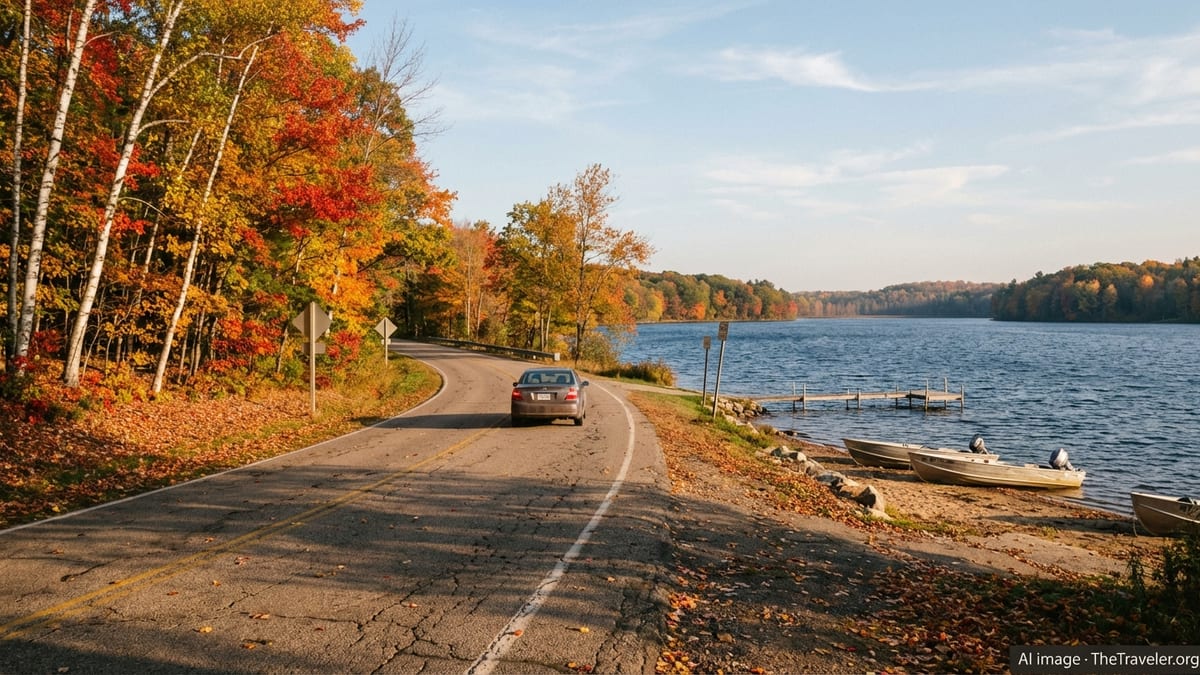
The “best” time to visit Wisconsin depends heavily on what you want to do. For many travelers, September and early October are ideal. Daytime temperatures are usually comfortable, summer crowds have thinned, and fall colors gradually sweep from the far north down to the Illinois border over several weeks. Historical patterns suggest northern areas often peak in early to mid October, while popular destinations such as Door County, central regions, and the Milwaukee area tend to turn later in the month. Because timing shifts slightly year to year, it is wise to check current fall color reports as your trip approaches and build a little flexibility into your plans.
If you are drawn to lake life, outdoor concerts, and major festivals, then June through August is your window. Early June can feel relatively quiet once schools are out but before prime vacation weeks hit. July typically brings the most predictable summer warmth and the fullest event calendars in Milwaukee, Madison, and resort towns around the state. August can be hotter and more humid, especially away from the lakes, but is excellent for late-summer lake trips and county fairs. Book waterfront lodging and campsites as early as possible for this stretch, since many families repeat the same weekend bookings year after year.
Winter is the season for travelers who genuinely like snow and cold-weather activities. December brings holiday markets and city lights, while January and February are usually the heart of ski, snowshoe, and snowmobile season. Conditions can change quickly with storms and thaws, so it pays to follow local forecasts closely and allow extra time if you are driving between regions. Visiting during the week can give you quieter trails and fewer crowds at popular indoor attractions like museums and breweries.
Spring is less predictable but can be deeply rewarding for travelers who value fewer crowds and lower prices. Late April and May bring wildflowers, bird migration, and gradually warming temperatures that feel refreshing after winter. You may encounter a mix of sunny, almost summerlike days and raw, rainy ones, so flexible daily plans are your friend. If your schedule allows, aim for mid to late May when trees have leafed out across most of the state and outdoor dining begins to open in earnest.
Weather, Microclimates, and What They Mean for Your Plans
Across Wisconsin, weather can shift not only with the seasons but also from one region to another on the same day. Lake Michigan acts as a giant air conditioner in spring and early summer, keeping Milwaukee and coastal communities noticeably cooler and often cloudier than inland towns. That same lake effect can also enhance snowfall in winter when cold air moves over relatively warmer water, occasionally producing heavier snow bands along the shoreline. If your itinerary spans both lakefront and inland cities, pack extra layers and be ready for significant differences in how the air feels by the time you drive an hour or two.
In northern Wisconsin, especially in the forested and lake-dotted counties, nights tend to cool off more quickly than in the south. That can be a blessing in summer when evenings around the campfire feel pleasantly crisp, but it also means that spring and fall mornings can be frosty even when the previous afternoon felt mild. In the flatter southern and central parts of the state, thunderstorms often form and move through quickly on warm days. These can bring short but intense downpours, strong gusts of wind, and vivid lightning. When storms are in the forecast, build indoor alternatives into your daily plans rather than counting on spending all day outdoors.
Winter travelers should recognize that daytime temperatures below freezing are common in much of Wisconsin from December through February, and cold snaps can push wind chills far lower. Inland areas may experience especially sharp nighttime temperature drops, while open farm country can feel brutally exposed when winds pick up. In urban areas, plowed roads and heated indoor attractions make winter travel feasible and often enjoyable, but sidewalk slush, icy parking lots, and snow-packed side streets require appropriate footwear and patience.
Regardless of season, the most accurate information will always come from local forecasts in the days right before you travel. Weather patterns in recent years have produced some later-than-usual fall color peaks, more frequent heavy rainfall events, and occasional winter thaws that temporarily diminish snow cover. Treat long-range expectations as general guides and be ready to pivot if conditions shift. In practice, that might mean swapping a planned hike for a museum day during a storm, or adjusting your route to stay closer to the lake on especially hot summer afternoons.
Packing Smart for Wisconsin by Season
The single most useful packing strategy for Wisconsin is layering. In any season, plan to wear a breathable base layer, an insulating middle layer, and a weather-resistant outer layer that you can add or remove as temperatures and wind change. For winter, that means a warm coat, hat, insulated gloves, and a scarf or neck gaiter at minimum. Waterproof or water-resistant boots with good traction are essential if you expect to walk on snowy or icy sidewalks. Hand warmers and thermal socks can dramatically extend how long you feel comfortable exploring outdoor events, ice festivals, or frozen lakes.
For summer, pack lightweight, breathable clothing that handles humidity well, such as moisture-wicking shirts and quick-drying shorts. A wide-brimmed hat or baseball cap, sunglasses, and sunscreen are important for long days on or near water, where sun reflection can intensify exposure. Even in July, it is wise to bring at least one light sweater or jacket, especially if you plan to be out on a boat, watch an evening game, or sit outside at lakeside restaurants. Nights near Lake Michigan and in the Northwoods can still feel cool after sunset.
In spring and fall, be prepared for almost anything. A waterproof shell or rain jacket is extremely useful in April and May when showers are common, and again in October when cold rain can make it feel significantly colder than the air temperature alone might suggest. Comfortable shoes that can handle mud or damp ground will make hiking trails and park walks much more enjoyable. If you are chasing fall colors, dress so you can comfortably stand around at overlooks or slowly wander through forests rather than rushing back to the car just to warm up.
In all warm-weather months, from roughly May through September, most of Wisconsin experiences active mosquito populations, particularly near wetlands, forests, and slow-moving water. Packing insect repellent, long sleeves and pants for evening outings, and light-colored clothing can help minimize bites. For campers and cabin renters, consider packing a compact head net or extra screen patches if you know you are headed deep into the woods at the height of bug season.
Driving, Safety, and Seasonal Logistics
Many trips to and within Wisconsin involve driving, whether you are navigating interstates between Milwaukee, Madison, and the Twin Cities corridor or following two-lane roads into rural lake country. Winter presents the most challenges. Snow, freezing rain, and sudden snow squalls can all reduce visibility and create slippery conditions in minutes. State and local transportation agencies encourage drivers to slow down, leave extra following distance, and avoid sudden braking or sharp steering inputs on snow and ice. Bridges and overpasses can freeze first, even when surrounding pavement seems clear, so treat them with extra caution.
If you visit between late fall and early spring, pay close attention to winter parking rules in the cities and towns you explore. Many municipalities restrict overnight on-street parking during core winter months to keep routes open for plows. Some use alternate-side rules on specific dates or times, while others ban parking on public streets during certain overnight hours regardless of snowfall. Before you leave your car at the curb, check posted signs and, if you are staying at a hotel or rental, ask your host about local rules so you do not wake up to a ticket or a towed vehicle after a snow event.
Car preparation matters more in Wisconsin winters than many visitors expect. If you are driving your own vehicle, consider mounting winter tires or at least making sure your existing tires have adequate tread and proper inflation. Verify that your windshield wipers are in good condition, carry an ice scraper and brush, and keep the gas tank at least partially full during cold spells. It is sensible to carry a small winter kit that might include a blanket, flashlight, some water and snacks, and a phone charger. Rental cars in winter should be checked for snow brushes and ice scrapers before you leave the lot; if none is provided, ask for one.
Outside of winter, driving is generally straightforward, but there are still Wisconsin-specific quirks worth noting. Spring snowmelt and heavy rains can temporarily flood low-lying rural roads. Many scenic areas have a mix of farm machinery, bicyclists, and wildlife like deer on the roads, especially around dawn and dusk. Build a buffer into your timing for slower stretches behind tractors or for unplanned stops at farm stands and viewpoints. During festival weekends or summer holiday periods, allow extra time to navigate traffic near lake resorts, state parks, and popular city waterfronts.
Planning Around Events, Crowds, and Costs
Wisconsin’s travel rhythm tracks closely with its major events and school calendars. Summer weekends, especially from late June through August, see high demand across coastal communities such as Door County, inland lake districts, and the larger cities that host festivals and concerts. Lodging rates typically rise with demand, and desirable vacation rentals and campgrounds can book out many months or even a full year ahead. If you are targeting a specific festival or holiday period, reserve accommodation as early as possible and be prepared for minimum stay requirements.
Shoulder seasons, particularly May into early June and September into early October, usually offer a more relaxed balance of activity and affordability. Many attractions and restaurants are open, but beaches, trails, and downtown districts feel less crowded. Prices in some destinations may dip slightly between peak periods, though this varies widely by location and event schedules. Travelers who prioritize quieter experiences and scenic drives often favor these windows, trading the hottest beach days for comfortable temperatures and more spontaneous itineraries.
Winter travel patterns depend on snow conditions and regional events. In good snow years, ski hills, snowmobile-friendly counties, and ice-fishing hubs can be busy on weekends, while cities host indoor festivals, sporting events, and cultural programming that provide lively escapes from the cold. Conversely, stretches of bitterly cold or stormy weather can lead to cancellations or reduced hours at smaller attractions, so checking directly with venues before heading out in adverse conditions is important. Flexible planning and refundable reservations can help you adapt if a major storm alters your route or timing.
Regardless of season, consider how daylight hours affect your plans. In midwinter, the sun sets early, which can limit the time you feel comfortable driving unfamiliar rural roads or exploring outdoor sights. In peak summer, long evenings give you extended opportunities for hiking, biking, or simply lingering on lakefront promenades. Build your daily schedule so that key outdoor activities align with daylight and more complex driving happens while visibility is best.
The Takeaway
Wisconsin is a year-round destination, but it is not a one-size-fits-all climate. Travelers who arrive prepared for the season tend to enjoy the state’s lakes, forests, and cities far more than those who underestimate the cold, the heat, or the speed with which conditions can change. Understanding how winter storms affect driving and parking, how lake breezes alter spring and summer temperatures, and how quickly fall nights cool helps you choose the best clothing, gear, and daily rhythms for your trip.
By matching your visit to the experiences you value most, whether that is quiet spring hikes, lively summer festivals, blazing autumn foliage, or snow-covered winter landscapes, you can make the most of Wisconsin’s dramatic seasonal cycles. Building in a bit of flexibility, packing with layers in mind, and staying attuned to local forecasts and regulations will transform the state’s variable weather from a potential obstacle into part of the adventure.
FAQ
Q1. When is the best month to visit Wisconsin for good weather?
For many travelers, September is ideal, with comfortable temperatures, fewer crowds, and the start of fall color, though late June and early July also offer reliably pleasant weather.
Q2. How cold does Wisconsin get in winter, and what should I pack?
Winter temperatures commonly stay below freezing, with colder snaps in the north. Pack a warm coat, hat, insulated gloves, layers, and waterproof boots with good traction.
Q3. Do I need a car to travel around Wisconsin?
A car is very helpful, especially outside the larger cities. Public transit is limited in many rural and resort areas, so driving gives you more flexibility and access.
Q4. When do fall colors usually peak in Wisconsin?
Peak color often arrives in early to mid October in northern regions and later in October farther south, but exact timing varies each year with weather patterns.
Q5. Are mosquitoes a big issue in Wisconsin during summer?
Mosquitoes are common from about May through September, especially near water and forests. Use repellent, wear long sleeves in the evening, and consider screened lodging if you are sensitive.
Q6. How hazardous is winter driving, and should I avoid it?
Winter driving can be challenging during storms or cold snaps, but roads are regularly plowed. Drive slowly, increase following distance, and consider delaying travel when conditions are poor.
Q7. What is the difference between weather on the Lake Michigan coast and inland?
Lake Michigan keeps coastal areas cooler in spring and early summer and can enhance snowfall. Inland areas often warm more quickly and may have slightly greater temperature swings.
Q8. Is Wisconsin very humid in summer?
Summer can be humid, particularly in July and August. Expect some muggy days, plan for shade and hydration, and book air-conditioned lodging if you are heat sensitive.
Q9. How far in advance should I book summer or fall lodging?
For popular lake regions or fall color hotspots, aim to book several months ahead, especially for weekends, holidays, and waterfront properties that fill quickly.
Q10. Are most attractions open year-round, or do they close in winter?
Major museums, breweries, and urban attractions are typically open year-round, while some smaller seasonal businesses in lake and resort areas reduce hours or close during the quietest winter months.