

More news on this day
Estonia is racing to knit its buses, trams, trains and ferries into a single, smart public transport ecosystem, with a new national platform and unified ticketing system set to make life markedly easier for visiting tourists over the next few years.
Get the latest news straight to your inbox!
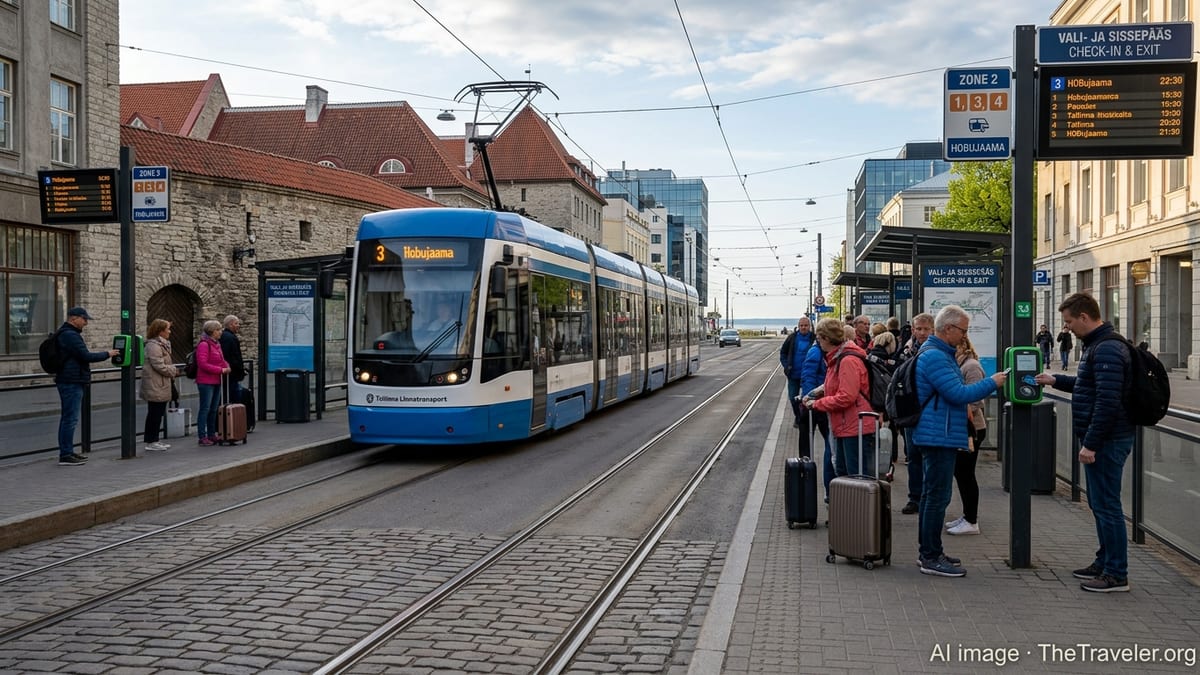
A National Transport Platform Built for Seamless Journeys
Publicly available information shows that Estonia is developing a countrywide “Mobility as a Service” platform, built on the state’s X-Road data exchange infrastructure, to act as the digital backbone for trip planning, booking and payment across public transport modes. The system is designed so that users can obtain route information, compare options and buy tickets in one place, rather than juggling multiple local tools.
Reports on the project indicate that the unified platform is being funded through national innovation programs and European Union cohesion funds, with development running through the middle of this decade. A prototype of the integrated ticketing and planning solution is targeted for completion and testing by late 2026, creating what officials have described in public briefings as a comprehensive solution for nationwide public transport.
For tourists, the implications are straightforward. Instead of learning separate rules for city trams, regional buses and intercity trains, visitors are expected to be able to rely on a single digital layer that connects existing operators. The aim is to reduce friction at every step of a trip, from airport arrivals in Tallinn to coastal detours or nature excursions deep in the countryside.
The national effort builds on Estonia’s long-standing digital governance model, which already underpins services from tax filing to health records. Transport planners are now extending that model into mobility, positioning the country as an early European adopter of a state-backed MaaS framework that prioritises interoperability and open data.
Unified Tickets Around Tallinn Point to a National Future
While the full national platform is still being assembled, concrete steps at regional level are giving a preview of how unified public transport will feel in practice. In Tallinn and its surrounding Harjumaa region, an agreement signed in early 2025 lays the groundwork for a single ticket that works on city trams and buses, Elron commuter trains and county bus routes within the metropolitan area.
According to city and government announcements, the Harjumaa unified ticket is planned to launch by summer 2025, covering the capital and its commuter belt. The pilot is expected to affect a large share of Estonia’s public transport users and is being described as a testbed for eventual nationwide expansion. For visitors, this would effectively turn the wider Tallinn region into one integrated zone, allowing a single fare product to cover movements between the medieval Old Town, seaside suburbs, bedroom communities and nearby countryside.
The Harjumaa project sits on top of existing tools, such as the Tallinn travel card and the national ticketing environment already used for many buses and trains. By harmonising these and adding joint fare products, planners aim to make transfers more intuitive and reduce the number of separate tickets a traveller needs to hold.
Tourism observers point out that this kind of metropolitan integration is particularly valuable for short-stay visitors who may sleep in the centre but spend their days at beaches, parks and small towns within commuting distance. A unified ticket removes guesswork about which operator runs which leg of a journey and whether a pass will still be valid at the city limits.
From Fragmented Apps to One-Stop Digital Access
At present, tourists in Estonia typically rely on a patchwork of tools to navigate public transport. City networks maintain their own information portals, regional authorities publish timetables through shared journey planners, and private apps aggregate schedules where data is available. Ticketing can involve a combination of contactless bank card payments, local smartcards and mobile QR codes, depending on the city and mode.
The new national transport platform is intended to simplify this landscape by providing a central access point that different apps and websites can plug into. Planning documents and summaries of the project describe a middleware layer that connects public and private operators, standardises data feeds and supports integrated ticket sales. Third-party travel apps are expected to be able to connect once to this layer instead of building individual links to every bus or train company.
For tourists, this architecture could translate into familiar international journey planners offering significantly better coverage and more consistent real-time information within Estonia. It may also underpin new services tailored specifically to visitors, such as bundled passes that combine airport transfers, local transit and regional day trips in a single purchase.
The upgrade is happening against the backdrop of new European Union rules that require countries to provide both static and real-time public transport data via a National Access Point. Estonia’s work on a unified system is aligned with those obligations, suggesting that live disruption alerts and accurate departure information may become more widely available to travellers in the coming years.
Climate Goals and Modern Fleets Boost Tourist Appeal
Estonia is pairing its digital overhaul with tangible upgrades to physical infrastructure, a combination that is likely to make public transport more attractive to international visitors. Recent assessments of the country’s environmental and transport policies highlight new tram investments in Tallinn, multimodal hubs in both Tallinn and Tartu, and the deployment of additional electric trains to strengthen rail connections.
Urban transport authorities have also signalled that Tallinn is moving steadily away from diesel buses, with long-term strategies envisioning fully electric public transport in the capital over the next decade. Cleaner vehicles, more frequent trains and upgraded interchanges support broader climate targets while making everyday journeys more comfortable for passengers.
For tourists, these changes mean that sustainable travel options are increasingly visible and easy to use. A visitor arriving by air in Tallinn can connect to the city by tram or bus, continue by train to another region, and switch again to local buses in a provincial town, with fewer gaps in service and clearer wayfinding at interchanges.
Observers note that Estonia’s bet on high-quality public transport also complements its efforts to manage the environmental impact of rising car use, including plans for new vehicle taxation. By making it simpler and more pleasant to leave rental cars parked and use shared mobility instead, the unified system is intended to support both tourism development and climate policy.
What Tourists Can Expect in the Coming Years
For visitors planning trips in 2026 and beyond, Estonia’s transport reforms are expected to deliver a noticeably more unified experience, even if some elements remain in pilot or testing phases. The Harjumaa ticket should provide a single product for the wider Tallinn region, while incremental progress on the national MaaS platform brings more operators and regions into a common digital framework.
Travel industry coverage suggests that, once the prototype national system is in place, tourists could use a single interface to plan a route from a small town in southern Estonia to an island on the Baltic coast, buying all necessary tickets in one transaction. The same environment could support dynamic pricing, caps on daily spending and other traveller-friendly features commonly seen in larger European capitals.
In the meantime, Estonia continues to promote its existing strengths: straightforward contactless ticketing in the capital, competitively priced period passes and steadily improving English-language information across stations, stops and vehicles. Even before the full unified system arrives, these elements already make local public transport relatively accessible for first-time visitors.
If current plans stay on track, the next few years are likely to turn Estonia into a test case for how a small, digitally advanced country can stitch together fragmented public transport networks into a single, tourist-friendly experience. For travellers deciding how to move between medieval city streets, bog boardwalks and Baltic beaches, that could make the difference between a confusing patchwork of tickets and a smooth journey from first tap to final stop.