

More news on this day
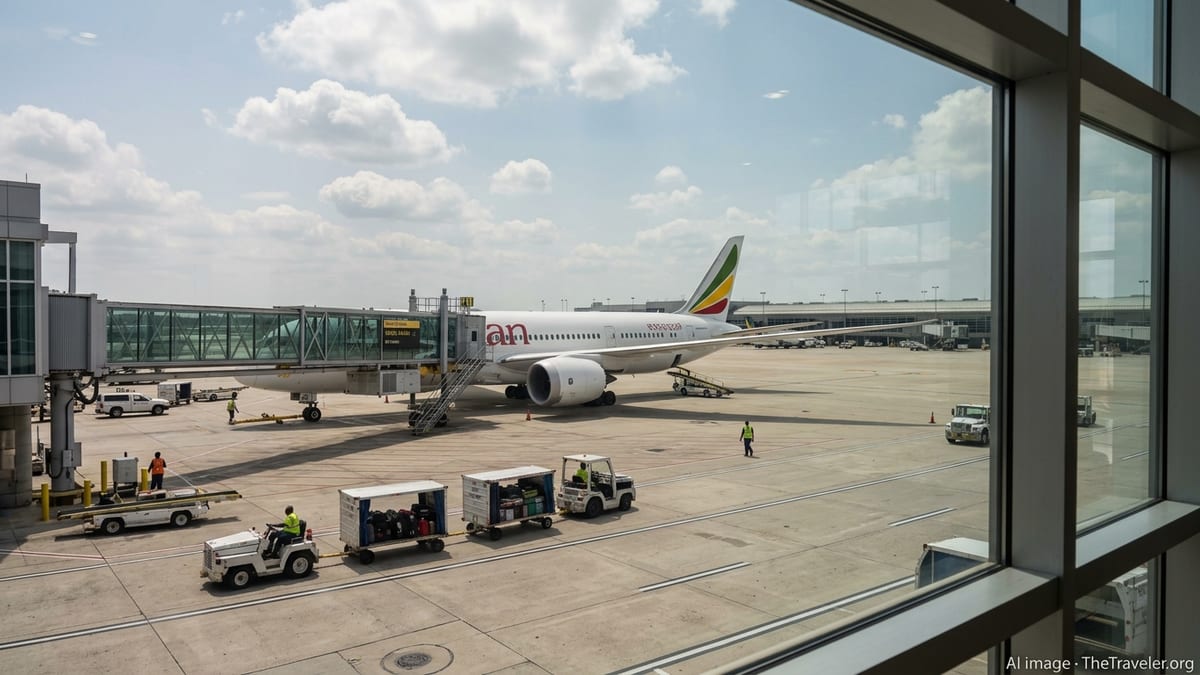
Ethiopian Airlines is set to restore its Addis Ababa–Atlanta service from May 21, 2026, a move expected to reinforce tourism growth and deepen regional connectivity between Africa and the United States.
Get the latest news straight to your inbox!
Route Resumption After Temporary Suspension
Publicly available schedule information shows that Ethiopian Airlines will bring back its Addis Ababa to Atlanta route from May 21, 2026, following a temporary suspension planned from early February the same year. The carrier had previously announced that flights between Addis Ababa Bole International Airport and Hartsfield–Jackson Atlanta International Airport would pause in February 2026 as it reassessed performance on some long-haul markets.
According to network updates published by the airline, Atlanta appears alongside other growth destinations as part of a refreshed route map, with the resumed service marketed as reconnecting the U.S. Southeast to one of Africa’s largest hubs. Industry coverage indicates that the airline views Atlanta as a strategic gateway, even as the route has undergone adjustments in frequency and aircraft deployment since its original launch in 2023.
Before the planned pause, the Addis Ababa–Atlanta operation typically combined a refueling stop in Rome on the westbound leg with a nonstop overnight return to Ethiopia, reflecting the high-altitude performance constraints of Addis Ababa’s airport. The resumed schedule is expected to follow a similar pattern, maintaining one of the longer non-U.S. links into Atlanta while preserving operational flexibility for the airline.
Tourism Growth Between Africa and the U.S. Southeast
Tourism bodies in both Ethiopia and the wider region have highlighted the role of direct or near-direct air links in stimulating long-haul travel. With Addis Ababa positioned as a key gateway to East Africa and the wider continent, the restoration of flights into Atlanta is expected to support itineraries that combine city breaks, cultural tourism and nature-based travel, including safaris and highland trekking.
On the U.S. side, Atlanta’s location and extensive domestic network make it a practical starting point for travelers from the Southeast and parts of the Midwest heading to African destinations. The return of the Addis Ababa link reduces the need for additional connections through European or Middle Eastern hubs for many itineraries, which can be particularly attractive to leisure travelers looking to limit total journey times.
Travel industry analysis notes that long-haul routes often see stronger tourism performance once they have been in place for several seasons, as destination awareness builds and tour operators, conference organizers and meeting planners adjust their offerings. The decision to reinstate Atlanta from May 2026 positions the service ahead of the busy Northern Hemisphere summer period, when demand for both family travel and group tours typically rises.
Strengthening Trade and Business Connectivity
The Addis Ababa–Atlanta route is also viewed as significant for business and trade ties between Africa and the United States. Atlanta has established strengths in logistics, aviation, technology, healthcare and advanced manufacturing, while Ethiopia and nearby African markets are seeing investment interest in infrastructure, agribusiness, textiles and renewable energy. Direct connectivity via a major African hub can support executive travel, project site visits and participation in trade fairs and sector conferences.
Industry reports indicate that Ethiopian Airlines positions Addis Ababa as a connector for both passengers and bellyhold cargo. The resumed Atlanta service is therefore likely to play a role in moving high-value, time-sensitive shipments between the U.S. Southeast and African markets, complementing seaport traffic routed through the U.S. East Coast. Sectors such as pharmaceuticals, perishables and specialized industrial components are among those that often benefit from additional widebody capacity.
With multinational companies increasingly looking at pan-African strategies, the ability to reach multiple cities via a single connection in Addis Ababa can be a selling point for the airline. Public information on the carrier’s network shows coverage across dozens of African destinations, meaning business travelers from Atlanta will regain access to one-stop journeys into commercial centers such as Nairobi, Lagos, Accra and Johannesburg via the Ethiopian hub.
Atlanta’s Role as a U.S. Gateway to Africa
Hartsfield–Jackson Atlanta International Airport is recognized as one of the world’s busiest aviation hubs by passenger numbers, with extensive domestic and international connectivity. The return of Ethiopian’s Addis Ababa service restores a direct African link from the airport, complementing existing long-haul operations to Europe and Latin America and reinforcing Atlanta’s role as a global gateway for the U.S. Southeast.
Previous coverage of the route’s initial launch in 2023 emphasized the significance of adding a nonstop or near-nonstop African option for travelers in a region that previously relied largely on connections through other U.S. or overseas hubs. The resumed operation from May 2026 continues that trend, offering travelers in cities across the Southeast a one-connection path to a wide range of African destinations via a single ticket.
The Atlanta link also aligns with broader efforts by airports and tourism agencies in the United States to diversify international route portfolios. As demand patterns evolve and more U.S.-based travelers show interest in African destinations, the presence of a major African carrier at Atlanta can help stimulate new partnerships with regional tourism boards, convention bureaus and events organizers seeking to attract visitors from across the continent.
Implications for Africa–U.S. Aviation and Regional Networks
The planned resumption of Ethiopian’s Addis Ababa–Atlanta route illustrates how African carriers are adjusting long-haul strategies while still prioritizing North American connectivity. Aviation analysts note that temporary suspensions and later resumptions are becoming more common as airlines respond to shifting demand, fleet availability and changing economic conditions, rather than permanently exiting markets that hold long-term potential.
For travelers, the restoration of service in May 2026 adds another option in a competitive landscape for Africa–U.S. travel. Alongside routes into Washington, New York, Chicago and other North American gateways, the Atlanta link helps distribute traffic more evenly across the continent and reduces reliance on a small number of U.S. entry points. This can ease pressure on congested hubs and open more convenient routings for passengers whose final destinations are in the southern or eastern United States.
Within Africa, the route supports regional connectivity by feeding traffic into Ethiopian’s hub network, which links secondary and tertiary cities to long-haul flights. As tourism boards and business groups in countries served from Addis Ababa promote multi-country itineraries and cross-border cooperation, the availability of additional long-haul capacity from Atlanta may contribute to broader economic impacts that extend beyond Ethiopia itself.
While the long-term performance of the Addis Ababa–Atlanta service will depend on factors such as fuel costs, competition and global economic trends, its planned return from May 21, 2026, is being interpreted in industry coverage as a sign of continuing confidence in the Africa–U.S. market and in Atlanta’s role as a strategic node in that growing corridor.