

More news on this day
Etihad Airways will restart a limited schedule of commercial flights from Abu Dhabi on 6 March 2026, introducing flexible rebooking and refund options for passengers whose travel plans were upended by widespread cancellations across the region.
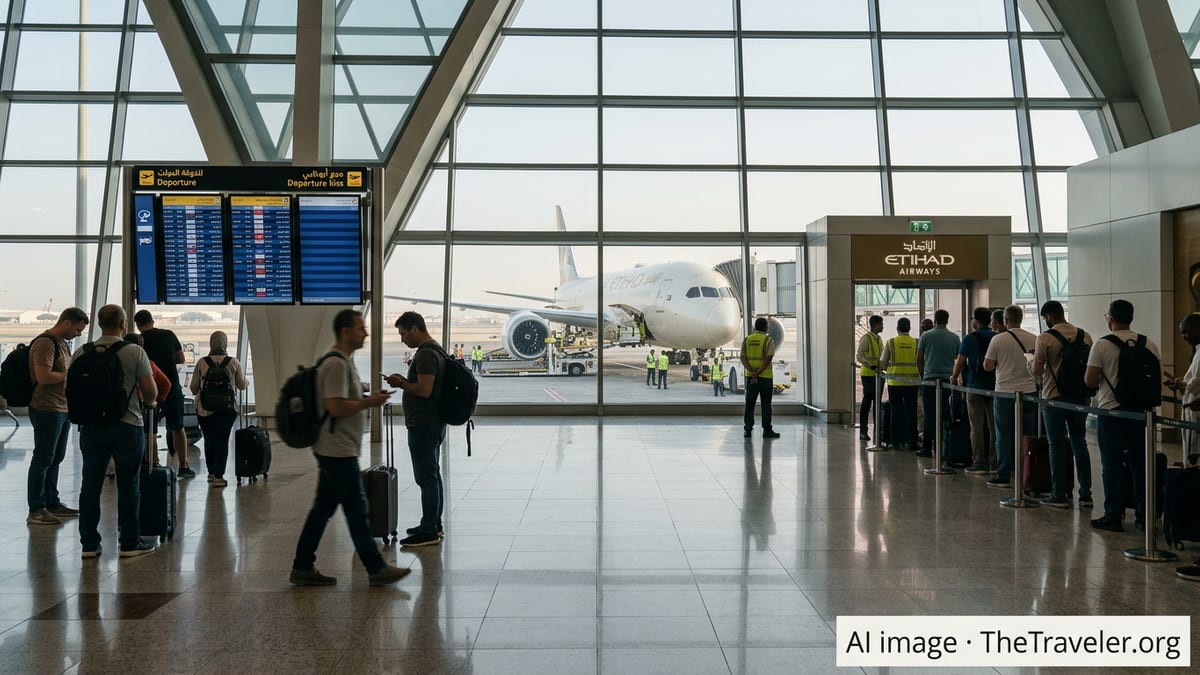
Restricted Network Links Abu Dhabi to Key Global Hubs
The Abu Dhabi based carrier confirmed it will operate a reduced network from 6 March, reconnecting the UAE capital with a selection of major cities in Europe, Asia and North America while most of its wider schedule remains suspended. The move follows several days of blanket cancellations triggered by heightened regional tensions and airspace restrictions affecting multiple Gulf airlines.
Initial services focus on high demand routes and key transit points. Industry reports indicate Etihad flights are set to operate from Abu Dhabi to London, Paris, Frankfurt, Madrid, Rome, Milan, Zurich and other European gateways, alongside North American links to New York and Toronto. In Asia, services are expected to cover Bangkok, Phuket, Seoul, Kuala Lumpur, Hanoi and selected destinations in India and the Gulf.
The airline has stressed that the March 6 restart represents a controlled return rather than a full restoration of its network. Flights will be added gradually as safety assessments permit, and schedules are likely to remain fluid in the coming days. Travellers are being urged to check flight status before leaving for the airport and to ensure their contact details are current so they can receive direct notifications of any last minute changes.
Capacity on the resumed routes is expected to be tight in the short term, as Etihad prioritises clearing a backlog of stranded passengers and repositioning aircraft and crew. Travel agents in key markets report strong demand for the first available departures, particularly among travellers trying to reach Europe and North America after several days of disruption.
Flexible Rebooking Window Extends Through Mid May
Alongside the limited restart, Etihad has rolled out a broad rebooking policy intended to give affected passengers more control over when they travel. Customers holding Etihad tickets issued on or before 28 February 2026, with original travel dates up to 21 March, are being offered the option to rebook once without change fees onto Etihad operated flights for new travel dates up to 15 May 2026.
The waiver applies across the network, including itineraries that do not fall within the initial list of resumed destinations, as long as the new flights are operated by Etihad and seats are available in the same cabin. Fare differences may still apply if the original fare class is not available on the new dates, but the airline has removed its usual change penalties for eligible bookings.
Travel partners say the extended rebooking window to mid May is particularly important for leisure passengers who no longer feel comfortable travelling in the coming weeks. Many are choosing to shift holidays into April or May rather than abandoning their trips altogether, while business travellers are moving meetings and conferences into later slots when the operational outlook is clearer.
The policy also gives corporate travel managers additional flexibility to consolidate itineraries and minimise further disruption for employees. Several multinational firms with regional headquarters in the Gulf have instructed their travel teams to push non essential trips beyond March where possible, using Etihad’s waiver to avoid extra costs.
Refunds Available for Travel Through 21 March
For passengers who prefer not to travel at all under current conditions, Etihad is offering expanded refund options. Customers booked on Etihad flights scheduled to operate up to 21 March can request a refund, even if their service goes ahead as planned, provided their tickets fall within the eligibility dates set out in the airline’s advisory.
Refunds are available for unused tickets and the unused portions of partially flown itineraries, giving some relief to travellers who cut trips short when the disruption began. Those who booked directly with Etihad are being directed to submit requests through the carrier’s customer channels, while customers who purchased through travel agencies are being asked to work with their agents to process changes.
Consumer advocates note that Etihad’s decision to allow refunds on still operating flights, within a defined time frame, exceeds the minimum obligations in many jurisdictions and reflects the highly unusual circumstances of the current situation. At the same time, they caution that processing times may be lengthy due to the sheer volume of claims.
Passengers have reported long waits on call centres and digital channels as the airline works through thousands of cases. Travel advisers are encouraging customers to document all communications, keep receipts for any additional expenses and remain patient as back office teams work through the backlog.
Significant Impact on Travel Plans Across Regions
The disruption to Etihad’s network and the gradual restart from 6 March are rippling through travel plans across multiple continents. Abu Dhabi is a key connecting hub for journeys between Europe, Asia, Africa and North America, and the suspension of most services in recent days has left many travellers stranded or needing to reroute via alternative gateways.
In Europe, airports such as London Heathrow, Paris Charles de Gaulle and Frankfurt have seen clusters of Etihad passengers attempting to rebook onto later departures or connect through other airlines. Some have opted to travel via competing hubs in Doha, Istanbul or Riyadh, while others are waiting for Etihad’s own flights to resume in order to remain on a single ticket.
In Asia, travellers heading to and from destinations in India, Southeast Asia and the Pacific have faced particularly complex rerouting challenges, given the limited number of long haul alternatives and ongoing pressures on regional airspace. Travel agents in markets such as Mumbai and Bangkok report that customers are weighing the trade off between accepting later Etihad departures or paying higher fares to switch to rival carriers with available seats.
The situation has also affected inbound tourism and business travel to the UAE. Hotels and destination management companies in Abu Dhabi and Dubai have reported cancellations and date changes tied directly to the airline disruptions. Tourism boards, however, say they expect demand to rebound once flight schedules stabilise, particularly if the current waiver policies remain in place long enough to reassure hesitant travellers.
What Travellers Should Do Now
With Etihad’s restart plan taking effect, travel experts are urging passengers to take a proactive approach to managing their bookings. The first step is to verify whether the original flight is operating under the revised schedule from 6 March, and if so, whether the timing and routing still meet their needs in light of any onward connections or changing risk assessments.
For those whose flights remain cancelled or whose destinations are not yet served under the limited schedule, the free change window until 15 May provides an opportunity to secure alternative dates before popular periods fill up. Agents recommend that travellers consider midweek departures and off peak times, where more seats are likely to be available under the waiver.
Passengers who decide not to travel at all should familiarise themselves with the refund eligibility criteria for journeys up to 21 March and submit requests as early as possible. Keeping contact details updated in the booking and regularly monitoring notifications from the airline will be critical, as schedules may evolve quickly if airspace conditions change again.
While the resumption of limited services from 6 March marks an important step toward normality, the coming weeks are expected to remain challenging for Etihad and its customers. The combination of a restricted network, high demand for rebooking and evolving regional dynamics means travellers will need to stay flexible and informed as they navigate their options.