

More news on this day
Etihad Airways has resumed a limited schedule of flights from the United Arab Emirates after several days of widespread disruption, unveiling a new, temporary timetable and urging passengers to check their bookings and flight status before travelling to the airport.
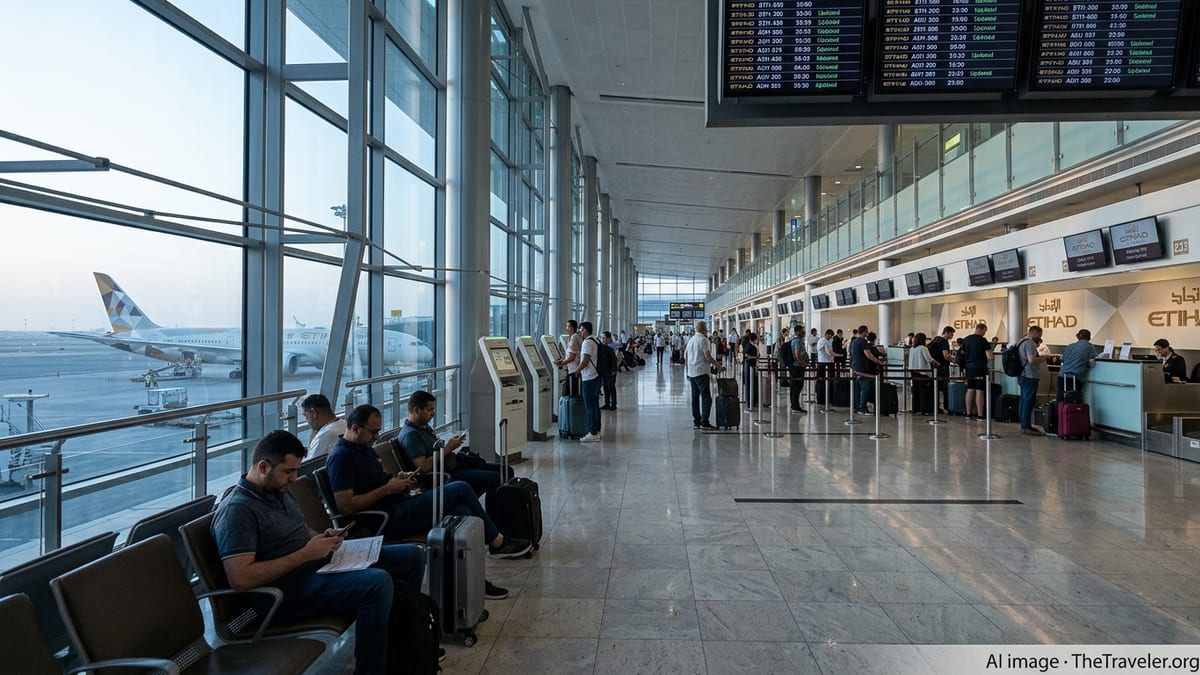
Phased Restart After Regional Airspace Disruption
The Abu Dhabi based carrier confirmed that it is now operating a restricted network from Zayed International Airport, following the gradual reopening of regional airspace. The move comes after security concerns led to significant cancellations and diversions across multiple Middle East gateways, affecting tens of thousands of travellers.
Etihad’s revised schedule initially focuses on core long haul and regional routes, with services restored to dozens of cities in Europe, Asia, North America and the Middle East. Industry reports indicate that the airline is currently serving around 70 destinations under a reduced timetable, with frequencies trimmed and some rotations consolidated to manage aircraft and crew availability.
Operations remain subject to ongoing safety assessments and regulatory clearances, and the airline has stressed that the new schedule is provisional. Flights may be added or adjusted at short notice as airspace restrictions ease and coordination with regional authorities progresses in the coming days.
While the restart marks a significant step towards normality, Etihad is clear that its network is not yet back to full strength. Some routes remain suspended, and not all destinations on the temporary schedule are being served daily, leaving many passengers still awaiting confirmation of revised travel plans.
New Temporary Flight Schedule From Abu Dhabi
Under the updated operating plan, Etihad is prioritising departures from Abu Dhabi to key global hubs including major European capitals, select North American gateways and high demand Asian and Gulf cities. Airlines and airport officials say the emphasis is on maintaining essential connectivity for transit passengers and residents returning home, while gradually rebuilding the wider network.
The temporary timetable, which runs through at least mid March, includes a mix of reinstated daily flights and less frequent services operating only on specific days of the week. In several cases, multiple daily frequencies that existed before the disruption have been consolidated into a single service, meaning fewer seats and higher load factors on operating flights.
Within this framework, Etihad is giving priority to travellers with existing reservations that were affected by cancellations during the airspace shutdown. Many passengers have already been rebooked onto the new flights, while others are being contacted with alternative options as inventory and operational capacity allow.
New ticket sales remain open on most routes included in the revised schedule, but availability is tight on popular sectors as backlogged demand is cleared. Travel agents in the UAE report strong interest in the limited number of flights now operating, particularly among passengers needing to reconnect with onward journeys or return to work and study overseas.
Passengers Urged to Confirm Bookings and Flight Status
With capacity constrained and schedules still shifting, Etihad has repeatedly urged travellers not to go to the airport unless they have a confirmed booking on an operating flight and have checked its status on the day of departure. The airline is warning that some previously issued itineraries may no longer be valid under the new timetable, even if the original flight number still appears in older confirmations.
In statements carried by regional media, the carrier has advised guests to review their reservations through its digital channels or contact centres to verify departure times, operating days and any aircraft or routing changes. Passengers who booked via travel agents are being told to liaise directly with their agent to ensure that any airline driven schedule changes have been correctly reflected in their tickets.
Travellers are also being reminded to keep contact details in their booking up to date so they can receive notifications about last minute alterations or rebooking offers. Reports from passengers indicate that some services are departing earlier or later than initially scheduled as the airline optimises rotations and crew rostering around the limited airspace corridors currently available.
Airport authorities in Abu Dhabi have echoed the message, asking members of the public to avoid unnecessary trips to the terminal. Only passengers with confirmed seats and recent verification of their flight’s operating status are being encouraged to proceed to check in, in order to reduce congestion and ease pressure on ground services still operating under contingency conditions.
Rebooking, Flexibility and Remaining Backlogs
The interruption to services has created a sizeable backlog of disrupted passengers, many of whom are still waiting to secure new travel dates. Etihad has announced flexible policies for affected customers, including options to move travel to later dates without rebooking fees on certain tickets, subject to seat availability and fare conditions.
Priority is being given to travellers whose original journeys fell within the peak disruption window, with the airline working to accommodate them on the newly operating flights through the coming weeks. In some instances, travellers are being shifted from non operating frequencies to alternative departures on the same route, while others are offered different dates or nearby destinations that remain accessible.
Consumer advocates note that limited capacity across the region means some customers may face longer waiting times before they can be re accommodated, especially on long haul routes with reduced frequencies. They advise passengers to respond promptly to any rebooking offers and to monitor their reservation for further changes, as operational constraints may continue to evolve.
Travel industry analysts say it could take several weeks before the backlog clears and schedules stabilise, particularly if airspace restrictions are eased in phases rather than lifted all at once. Until then, passengers are being encouraged to maintain flexible plans, allow extra time for connections and remain alert to communications from the airline.
What Travellers From the UAE Should Do Now
For passengers currently in the UAE with upcoming Etihad flights, the immediate priority is to verify whether their specific service is listed as operating under the new schedule and on which days. If the original flight has been cancelled or consolidated, travellers should follow the rebooking instructions provided by the carrier or their travel agent, taking into account any fee waivers that may apply to disrupted itineraries.
Those planning new trips are being advised to book only on flights shown as confirmed in the temporary timetable and to consider purchasing flexible or refundable fares where possible, given the fluid situation. Travel planners recommend building in longer connection times, particularly for itineraries involving other carriers that may also be operating reduced schedules.
At the airport, passengers should expect busier check in counters and longer queues at security and immigration despite the lower number of overall flights, as disrupted travellers converge on a limited slate of departures. Arriving well ahead of scheduled departure remains essential, especially for long haul services and those with additional screening or preclearance procedures.
While the resumption of Etihad operations from Abu Dhabi is a welcome development for stranded travellers and the wider aviation sector, both the airline and regulators caution that the coming days will remain a period of transition. With schedules still subject to rapid adjustment, passengers are being reminded that careful planning, confirmed bookings and frequent status checks are now critical parts of flying in and out of the UAE.