

More news on this day
Europe’s airline and airport sectors are warning that a prolonged shutdown of the Strait of Hormuz could trigger systemic jet fuel shortages within weeks, raising the prospect of higher fares, schedule cuts and disruption to the continent’s busy summer travel season.
Get the latest news straight to your inbox!
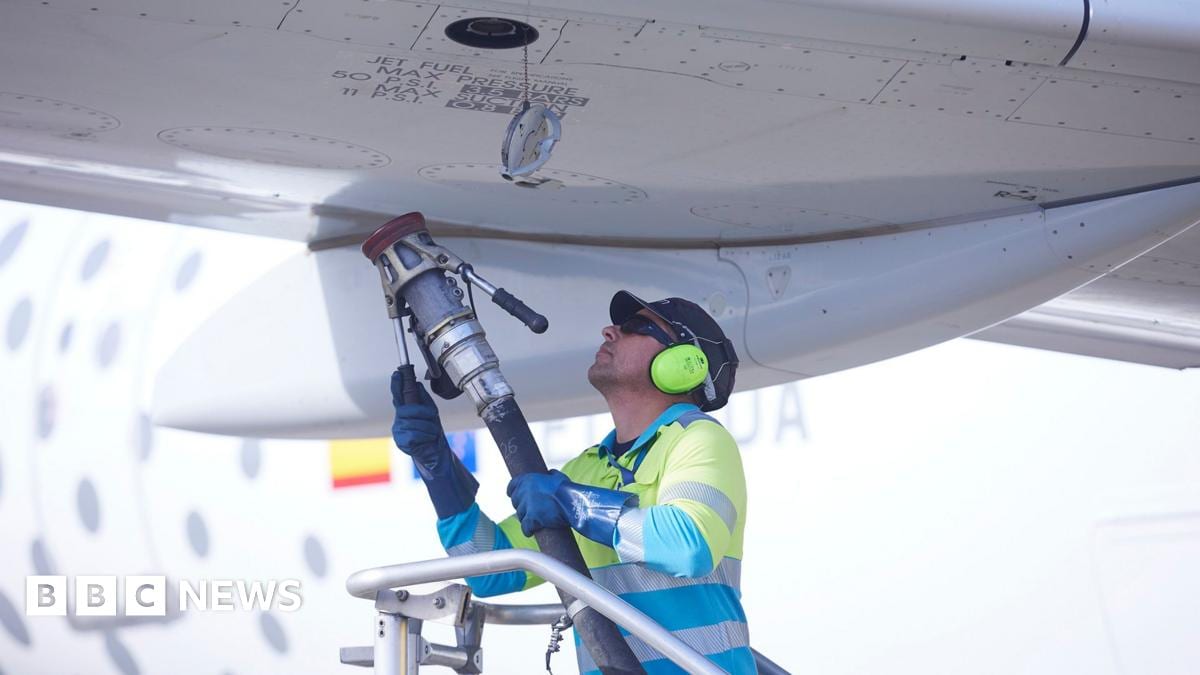
A three-week countdown for Europe’s jet fuel supplies
Industry bodies representing European airports have outlined a tight three-week window in which jet fuel flows need to normalize before shortages begin to bite. According to published coverage of a letter sent by Airports Council International Europe to senior EU officials, the bloc could face a “systemic” shortfall in aviation fuel if tankers cannot resume stable passage through the Strait of Hormuz.
The narrow waterway, which normally carries close to one fifth of global oil shipments, has been effectively closed since early March amid the wider Iran conflict. Publicly available data on tanker traffic indicates a collapse in volumes leaving key Gulf producers, tightening supplies of refinery products such as jet fuel across Europe.
Analysts quoted in recent business reports note that jet fuel prices have already more than doubled compared with a year earlier, reflecting both the loss of Gulf cargoes and rising risk premiums. For airlines that typically spend between 20 and 30 percent of their operating budgets on fuel, such a spike is significant even before any physical shortages materialize.
The warning from airport operators marks a shift from earlier weeks of the crisis, when concerns were focused primarily on higher costs rather than outright availability. The latest assessments suggest that, without a reopening of Hormuz or swift rerouting of supplies, some European hubs could struggle to secure sufficient volumes as early as late April.
Potential impact on flights, fares and holiday travel
For travelers, the most immediate risk is to flight schedules and ticket prices as carriers try to manage spiraling fuel costs and uncertain deliveries. Reports from several European aviation hubs describe contingency plans that include trimming frequencies on less profitable routes, consolidating services and prioritizing long-haul and cargo flights that are harder to rebook or reroute.
Some airports in Italy have already introduced fuel rationing measures, according to regional media, limiting uplift for certain airlines and advising carriers to arrive with fuller tanks from less constrained locations. Industry briefings suggest that similar steps are being considered at other airports that rely heavily on fuel shipped from the Gulf.
Airlines serving leisure destinations are particularly exposed as they prepare for the peak summer season. Publicly available schedules show that carriers across the EU have added capacity to Mediterranean and island markets for June through August. If fuel deliveries fall short, those extra flights could be among the first to be scaled back, creating uncertainty for package tour operators and independent travelers alike.
Higher fares are another likely consequence. With jet fuel already at elevated levels, many airlines have begun passing costs through via surcharges and dynamic pricing. Travel industry analysts caution that if the Strait of Hormuz remains closed into the summer, price-sensitive holidaymakers may face fewer low-cost options and reduced last-minute deals compared with recent years.
Rerouting, reserves and refinery shifts to keep planes flying
In response to the looming crunch, European energy and transport officials are examining a mix of short-term and structural measures. Public comments from Brussels and national capitals indicate that options under discussion include coordinated use of strategic oil reserves, preferential access to jet fuel for critical routes and incentives for refineries to adjust their product slate in favor of aviation fuel.
Market reports show that refiners in Europe and North America are already trying to compensate for lost Gulf supplies by increasing crude runs where possible and boosting jet output at the expense of other products. However, analysts point out that these shifts have physical and technical limits, and cannot fully replace the volumes normally sourced via Hormuz.
At the same time, trading houses and oil companies are rerouting available barrels from the Americas, West Africa and the North Sea toward European refiners with strong aviation customers. This reshuffling lengthens supply chains, adds shipping costs and tightens supplies elsewhere, but is seen as one of the few levers available while Gulf exports remain constrained.
Airports and airlines are also exploring operational workarounds. These include tankering more fuel on inbound flights from better-supplied regions, optimizing flight plans to reduce consumption and, where feasible, using larger aircraft to carry more passengers per movement. Such steps can stretch existing stocks but may not be enough if the disruption at Hormuz proves prolonged.
Travelers face rising uncertainty across a wider energy shock
The aviation warnings come against the backdrop of a broader energy shock for Europe. Economic analyses of the Iran conflict highlight how the closure of the Strait of Hormuz has removed millions of barrels per day of oil from the global market, sending benchmark prices sharply higher and feeding through into inflation, freight costs and household energy bills.
European governments have stressed that, compared with previous crises, the region is less dependent on Gulf oil and gas thanks to diversified LNG imports and increased storage. Even so, industry assessments note that certain sectors, including aviation, petrochemicals and road transport, remain highly sensitive to disruptions in refined product flows from the Middle East.
For travelers planning trips in the coming months, the situation adds another layer of uncertainty on top of existing geopolitical and economic headwinds. Consumer groups are advising passengers to pay close attention to airline communications, allow extra flexibility for changes and consider the terms of any travel insurance, particularly with regard to schedule alterations caused by fuel constraints.
Tourism boards across Europe are monitoring developments closely, aware that perceptions of reliability in air links can influence destination choice. While there is currently no broad directive to curtail travel, the prospect of targeted cancellations or timetable adjustments is becoming more tangible as the fuel countdown continues.
What could ease the pressure on Europe’s aviation fuel market
How the crisis unfolds for EU airlines and airports will ultimately depend on developments far from European skies. A durable reopening of the Strait of Hormuz that allows tankers to move safely would relieve the tightness in global jet fuel markets more quickly than any domestic measure, according to energy market commentary.
Short of that, a combination of diplomatic efforts, temporary shipping arrangements and expanded output from producers outside the Gulf could gradually improve the balance between supply and demand. Some analysts suggest that additional crude exports from regions such as the United States, West Africa and the North Sea, combined with coordinated refinery adjustments, could moderate price spikes even if Hormuz remains partially constrained.
Within Europe, the current crisis is also prompting renewed debate about longer-term resilience. Policy discussions are increasingly focused on building more robust strategic fuel reserves tailored to aviation, encouraging diversification of supply routes and accelerating efficiency gains across airline fleets.
For now, however, the message from the continent’s aviation sector is one of caution. With a three-week window identified as critical for avoiding systemic shortages, any continued closure of the Strait of Hormuz is likely to keep EU airlines, airports and travelers on edge as the summer season draws nearer.