

More news on this day
Thousands of travelers across Europe and the Middle East faced fresh disruption today as British Airways, Ryanair and KLM canceled 52 flights and delayed a further 17 services, with the UK, Netherlands, Austria, Poland and Jordan among the hardest hit markets.
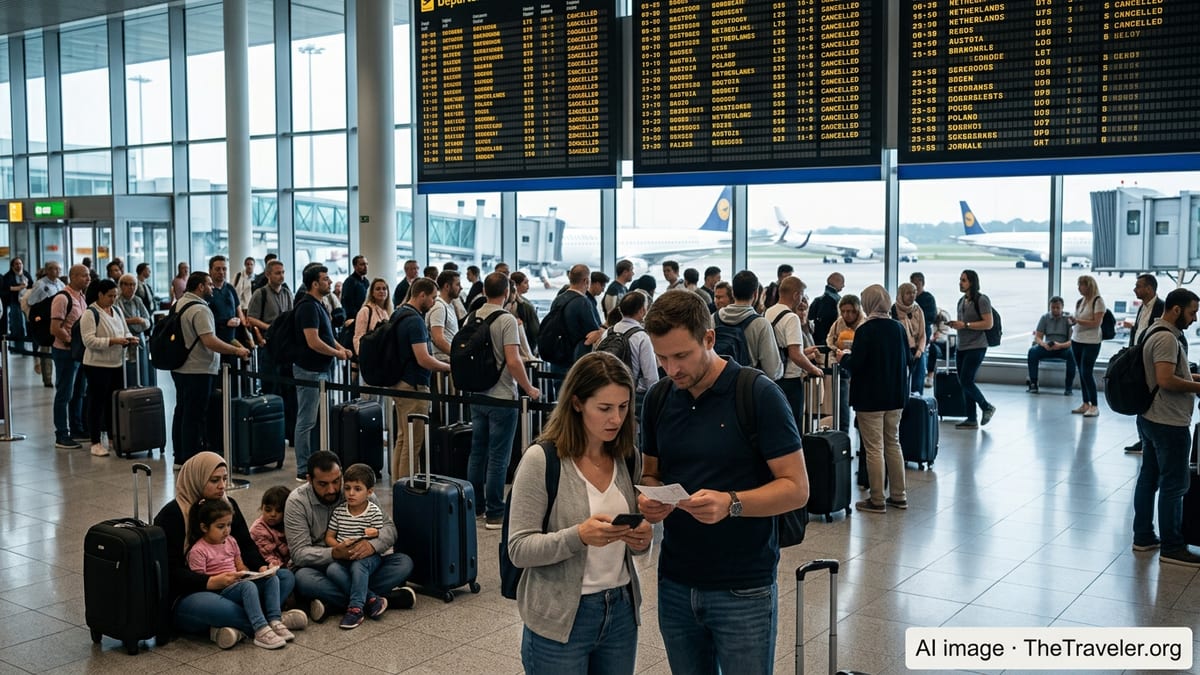
Where Flights Were Canceled and Delayed
The latest shakeup in airline schedules hit several key hubs, with London, Amsterdam, Vienna, Warsaw and Amman seeing a wave of cancellations concentrated on short and medium haul routes. British Airways grounded a cluster of intra-European services from London to cities in the Netherlands, Austria and Poland, while KLM and Ryanair trimmed rotations between Amsterdam, Vienna, Kraków and regional UK airports.
Early operational data indicates that of the 52 flights canceled, roughly half were within Europe, while the remainder connected European hubs with Jordan and neighboring Middle Eastern gateways. The 17 delayed flights were largely turnarounds on the same routes, compounding knock-on disruption as aircraft and crews fell out of position throughout the day.
Passengers traveling between Europe and Jordan were particularly exposed, with several London Amman and Amsterdam Amman services canceled outright and others departing hours late. Those disruptions rippled into connecting itineraries onward to Gulf and Asian destinations, as missed minimum connection times forced mass rebookings at already crowded transfer hubs.
At Vienna and Warsaw, airport departure boards showed a patchwork of last minute schedule changes by mid-morning, with gaps where British Airways and KLM services would typically appear. Local carriers were left trying to absorb stranded passengers onto limited remaining seats, especially on Friday and Sunday peaks when leisure demand is strongest.
What Is Driving the Latest Disruptions
Airline and airport sources pointed to a familiar combination of weather instability over northern Europe, airspace constraints between Europe and the Middle East and lingering crew availability issues as the primary triggers behind the cancellations. Strong crosswinds and low cloud over the North Sea again restricted movements into and out of Amsterdam and London at peak times, prompting KLM and British Airways to pre-emptively trim schedules to avoid cascading delays later in the day.
At the same time, ongoing restrictions on overflying parts of Middle Eastern airspace have forced carriers such as KLM and British Airways to reroute services linking Europe with Jordan and beyond. Those longer routings tie up aircraft and crews for additional hours per rotation, reducing the flexibility airlines normally use to recover from morning disruption by the afternoon.
Ryanair, whose point-to-point model relies on tight turnarounds across a large network of secondary airports, has been particularly sensitive to any squeeze on airport capacity. A handful of cancellations in the UK and Poland quickly translated into delays elsewhere in its schedule as aircraft scheduled to operate later flights were held on the ground awaiting incoming passengers and crew.
Industry analysts note that this latest wave of disruption comes on top of an already bruising winter for European aviation, marked by repeated weather systems, sporadic air traffic control staff shortages and a surge in demand that has left little spare capacity to absorb shocks. For travelers, that means more days where even modest events tip the system into visible stress.
How Many Passengers Are Affected
Based on typical load factors for early March, aviation data specialists estimate that several thousand passengers were directly affected by the 52 flight cancellations, with a similar number experiencing significant delays on the 17 disrupted services. With many flights operating close to capacity, especially those linking London and Amsterdam with major European capitals, rebooking options on the same day were limited in several markets.
In the UK, British Airways customers reported long queues at Heathrow and Gatwick service desks as ground teams tried to re-accommodate travelers whose flights to the Netherlands, Austria or Poland had been withdrawn from the schedule. Some passengers with non flexible tickets were initially offered rebooking on later dates rather than same day alternatives, forcing them to weigh up paying walk up fares on rival carriers versus accepting overnight stays.
At Amsterdam Schiphol, where KLM operates a dense bank of European connections feeding long haul departures, cancellations on shorter European hops had an outsized impact. Travelers from smaller UK and Polish cities who were due to connect through Amsterdam onto flights to Jordan and the wider Middle East were among those left scrambling for options, as missed connections coincided with already limited capacity on rerouted long haul services.
In Jordan, Amman’s Queen Alia International Airport saw arrivals and departures boards reshuffled as inbound flights from London and Amsterdam disappeared or slid into later time slots. For travelers heading onward to regional destinations by bus or domestic flight, schedule disruptions often translated into missed ground connections and unexpected hotel costs in the capital.
What Affected Travelers Should Do Now
Passengers booked on flights operated by British Airways, Ryanair or KLM today and over the next several days are being urged to monitor their reservations closely and use digital channels as the first line of response. Airline apps and websites typically reflect schedule changes and rebooking options before airport departure boards or call centers, and many disrupted travelers have been able to secure new itineraries online without waiting in physical queues.
Under European passenger rights rules, travelers whose flights are canceled are generally entitled to a choice between a refund or re-routing, along with basic care such as meals and accommodation when an overnight stay is required. Eligibility for financial compensation depends on the cause of the disruption and the length of delay at arrival, but in cases where the airline has proactively cut flights for operational or capacity reasons within its control, compensation may be available on top of refunds or rebookings.
Experts advise passengers to keep boarding passes, booking confirmations and any written notifications from the airline, as these documents can be important when pursuing claims after the fact. Travelers stranded overnight should also retain receipts for meals, ground transport and accommodation not provided directly by the airline, as some or all of these costs may be reimbursable depending on the circumstances.
For itineraries involving Jordan and onward travel through other Middle Eastern or Asian hubs, travelers are being encouraged to build in additional buffer time where possible and to check whether their tickets are on a single booking reference. Those holding separate tickets for different legs of a journey will need to liaise with each airline individually, and may not benefit from the same level of protection on missed connections as passengers traveling on a through ticket.
Looking Ahead for Spring Travel through Europe and Jordan
With the busy Easter and spring break period approaching, airline planners in the UK, Netherlands, Austria, Poland and Jordan are under pressure to stabilize schedules and restore confidence after a run of headline making disruptions. British Airways, Ryanair and KLM have all indicated in recent guidance that they are prioritizing operational resilience over marginal capacity growth, which could mean slimmer timetables but fewer last minute cancellations if conditions deteriorate.
Airports are also reviewing their staffing and contingency plans following a winter of weather and airspace challenges. London Heathrow and Amsterdam Schiphol have both invested in improved de-icing capacity and real time passenger flow management tools designed to keep security and border queues from spiraling when flights are bunched by delays. Vienna, Warsaw and Amman are similarly working with ground handlers to ensure sufficient staff are on duty during early morning and late evening peaks when irregular operations are most likely.
Travel advisers recommend that passengers with time sensitive trips through these hubs over the coming weeks add resilience where they can. That can include opting for earlier departures in the day, allowing for longer connection times, and favoring itineraries on a single ticket with one airline or alliance to maximize protection if something goes wrong.
Despite the latest round of cancellations, demand for travel between Europe and Jordan remains strong, particularly on routes connecting London and Amsterdam with Amman’s growing tourism and business market. As airlines gradually adjust timetables and routings to reflect the new operating realities in European and Middle Eastern airspace, industry observers expect a bumpy but ultimately manageable path toward more stable spring and summer schedules.