

More news on this day
Air travel across Europe was hit by a fresh wave of disruption today, as publicly available tracking data showed dozens of flights canceled and hundreds delayed in Germany, the United Kingdom, Turkey, the Netherlands, France and other countries, grounding hundreds of passengers on key routes for British Airways, KLM, easyJet, Virgin Atlantic and rival carriers.
Get the latest news straight to your inbox!
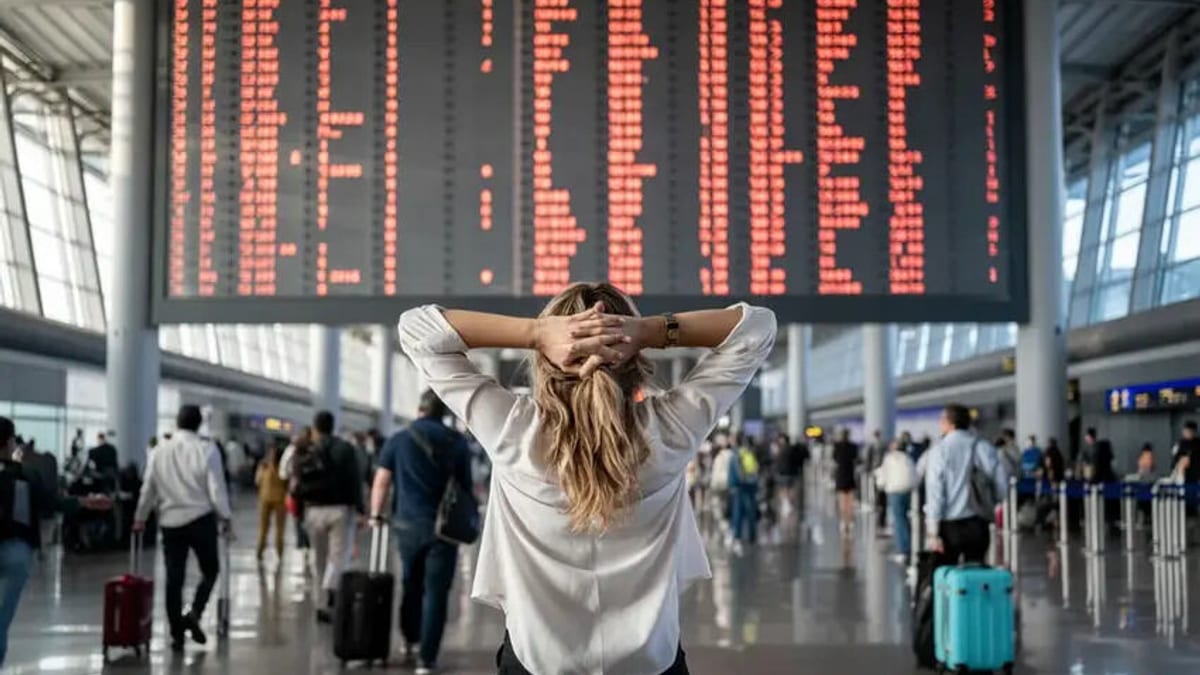
Image by Travel And Tour World
Widespread Disruption From Munich to Amsterdam
Operational data from major hubs indicated at least 46 flight cancellations and around 386 delays across European airports, affecting morning and afternoon departure banks. Munich, Amsterdam Schiphol and Brussels were among the hardest hit, with secondary knock-on effects reported at London area airports and regional bases in Germany and France.
In Germany, disruption at Munich fed into the broader European network, as delayed inbound aircraft struggled to turn around on time for onward services. Public dashboards showed a growing backlog of delayed departures, with some short haul flights pushed back by more than an hour as crews and aircraft rotated late from earlier sectors.
At Amsterdam, a key transfer point for KLM and partner airlines, delays on early rotations quickly cascaded into mid-day services. Passengers connecting to the United Kingdom and other European capitals reported extended waits in terminals as airlines rebooked missed connections and rebalanced schedules.
Brussels and other continental hubs, including major airports in France and Turkey, also reported a mix of cancellations and late departures. The combined effect left travelers facing long queues at customer service desks, crowded departure halls and uncertainty over arrival times.
Flag Carriers and Low Cost Airlines Equally Affected
The disruption cut across airline business models, impacting both full service and low cost operators. Flight data showed British Airways, KLM, easyJet and Virgin Atlantic all experiencing a combination of outright cancellations and extended delays on European routes.
On UK routes to Amsterdam, Brussels and German cities, delays for British Airways and KLM services resulted in missed onward connections and last minute rebookings. For some passengers, that meant unexpected overnight stays or diversions to alternative airports when same day options were no longer available.
Low cost carriers such as easyJet, which rely on tight turnaround times and high daily aircraft utilization, appeared particularly vulnerable to knock-on effects. A late arrival on an early sector in Germany or the Netherlands could be seen rippling through multiple flights later in the day across France, the UK and southern Europe.
Virgin Atlantic, while more focused on long haul services, was affected indirectly where its passengers depended on European feeder flights to reach transatlantic departures. Late arriving customers from cities such as Munich, Brussels and Amsterdam faced a race through terminals or were shifted onto later long haul departures when connections could not be maintained.
Passengers Face Long Waits, Missed Connections and Rebookings
The immediate impact for travelers was a familiar mix of long queues, uncertainty and last minute itinerary changes. Passengers in Munich, Amsterdam and Brussels reported extended waits at check in and customer service counters as airlines worked through rebooking options with limited spare capacity on subsequent flights.
For many, the key issue was not the length of a single delay but the cumulative effect on connecting journeys. A delay of 60 to 90 minutes on a British Airways, KLM or easyJet flight into a hub could easily translate into a missed onward service, forcing travelers onto later departures or, in some instances, rerouting them via alternative cities in Germany, France or the UK.
Families and leisure travelers heading out at the start of school holidays, alongside business passengers on tight schedules, were among those affected. Publicly shared accounts from airports suggested that some travelers opted to abandon air travel altogether for short haul trips, turning instead to rail services linking major cities such as Brussels, Amsterdam, Paris and Frankfurt.
Airlines’ ability to provide hotel accommodation, meal vouchers and alternative transport options appeared to vary by airport and carrier, with some passengers reporting smooth rebooking processes via mobile apps and others describing lengthy waits to speak with ground staff.
Ripples Across the European Aviation Network
Although the total of 46 cancellations and 386 delays is modest compared with some of Europe’s worst aviation disruptions in recent years, analysts note that even relatively contained problems can cause outsized effects in a finely balanced network. When multiple hubs in Germany, the UK, Turkey, the Netherlands and France experience concurrent operational strain, the margin for recovery narrows quickly.
Late running aircraft can easily fall foul of night curfews at noise sensitive airports, leading to further cancellations late in the day. Crews reaching duty time limits present another constraint, particularly for airlines already operating near staffing capacity. These factors together can prolong disruption into the following day as airlines reposition aircraft and crew.
For airports, today’s events added to ongoing challenges around congestion, staffing and seasonal peaks. Terminals at major hubs such as Amsterdam and London have periodically struggled with security queues and baggage handling bottlenecks, meaning that any spike in delayed flights can quickly translate into crowded gate areas and pressure on ground operations.
Industry observers suggest that passengers flying in the coming days should monitor flight status closely, arrive at airports earlier than usual and be prepared for potential schedule changes while airlines work through the residual effects of today’s disruptions.
Passenger Rights and What Travelers Can Do
Today’s wave of delays and cancellations has once again pushed European passenger rights frameworks into the spotlight. Regulations in the European Union, the United Kingdom and Turkey provide varying levels of protection, including potential compensation in some circumstances, but eligibility depends on carriers, routes and the precise cause of disruption.
Consumer advocates encourage passengers to keep written records of departure and arrival times, retain boarding passes and receipts for any additional expenses such as meals or accommodation, and submit claims directly through airline channels once travel is complete. Public guidance generally recommends that travelers check whether their disruption was attributed to extraordinary circumstances or to issues within an airline’s control.
Travel experts also highlight the value of proactive planning when flying through busy European hubs. Choosing longer connection times, avoiding the last flight of the day where possible and ensuring that contact details are correctly stored in airline booking systems can help reduce the risk of being stranded without timely rebooking options.
For now, hundreds of passengers remain affected across Europe’s interconnected aviation network, as airlines and airports in Germany, the UK, Turkey, the Netherlands, France and beyond work to restore schedules and clear the backlog from today’s cancellations and delays.