

More news on this day
Hundreds of travellers across northern Europe are facing severe disruption after a fresh wave of operational problems and bad weather led to 2,497 delayed flights and 152 cancellations, snarling major hubs in the United Kingdom, the Netherlands, Denmark, France and beyond.
Get the latest news straight to your inbox!
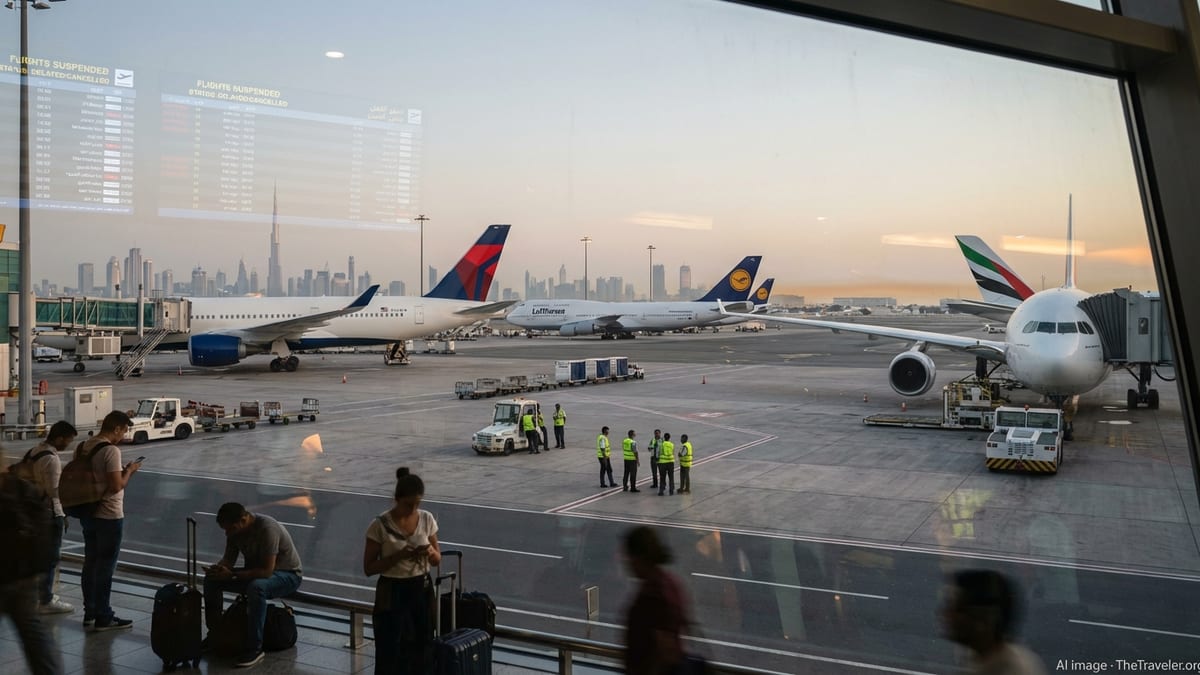
Delays and Cancellations Sweep Key Northern European Hubs
Publicly available flight tracking data and aviation reports for early April indicate that the latest flare up of disruption has concentrated on some of Europe’s busiest transfer airports, including London’s main hubs, Paris Charles de Gaulle and Amsterdam Schiphol. Across the region, a combined 2,497 flights were reported delayed and 152 cancelled within a short window, affecting both intra-European services and long haul connections.
Travel industry coverage highlights that the Netherlands, Denmark and the United Kingdom have seen particular pressure as airlines attempt to maintain dense schedules through congested airspace and variable spring weather. Amsterdam Schiphol, a primary base for KLM and a key station for easyJet and other low cost carriers, has logged hundreds of delays and several dozen cancellations over recent days, leaving passengers queueing for rebooking desks and scrambling for replacement itineraries.
In Paris and London, disruption has also extended across a mix of short haul and intercontinental routes. Aviation monitoring feeds show knock on delays building throughout the day as late arriving aircraft cascade across networks, with some evening departures leaving several hours behind schedule and missing onward connections.
While the raw totals remain well below the levels seen during major weather or airspace closure events in recent years, consumer advocates note that the clustering of delays at a handful of key hubs has amplified the impact, stranding significant numbers of passengers far from home or planned holiday destinations.
easyJet, KLM, Lufthansa and Others Face Network Strain
The current wave of disruption has hit multiple carriers that rely heavily on northern European hubs. KLM’s operations at Amsterdam Schiphol have been particularly affected, with travel alerts pointing to sustained operational challenges and elevated levels of delay and cancellation across selected routes. Observers note that even relatively small schedule adjustments at such a tightly choreographed hub can ripple across the airline’s European and intercontinental network.
Low cost operator easyJet, which runs extensive services linking the United Kingdom, France, the Netherlands and other European countries, also appears prominently in delay statistics. Its flights to and from London and regional UK airports, as well as services into Amsterdam and Paris, have seen departure and arrival times pushed back by weather-related flow restrictions and ground handling bottlenecks.
Lufthansa and other major European network airlines have not been spared. With many routes funneling through London, Paris, Amsterdam and additional hubs in Germany and Scandinavia, aircraft and crew have frequently arrived out of position, forcing airlines to juggle rotations, consolidate services and, in some instances, cancel selected flights outright to prevent wider knock on effects.
Travel analysts point out that the latest figures for delays and cancellations come on top of a multi year trend of elevated disruption across European aviation. Industry reports for 2024 and early 2025 already documented significant numbers of flights arriving more than three hours late or not operating at all, leaving airlines exposed to compensation claims and reputational damage.
Stormy Weather, ATC Limits and Operational Bottlenecks
The precise mix of causes for the current disruption varies by country and airport, but several common factors are emerging from published data and expert commentary. Periods of unsettled weather across the North Sea region have triggered temporary constraints on runway use and approach paths at airports in Denmark, the Netherlands and the United Kingdom, reducing capacity during peak hours.
Air traffic control flow restrictions have compounded the problem on some days, particularly for flights transiting the busy corridors that link the British Isles, northern France and the Low Countries. When en route capacity is reduced, controllers may issue wider spacing between aircraft, which translates into departure holds on the ground and additional airborne holding near destination airports.
Operational bottlenecks on the ground have added an extra layer of complexity. Reports from aviation monitoring services and earlier disruption events this year point to stretched de icing resources in cold snaps, limited spare aircraft and crew, and ongoing staffing challenges at some ground handling providers. Even when weather improves, it can take many hours for schedules to return to normal once aircraft and personnel have drifted out of position.
In Denmark and the Netherlands in particular, winter and early spring have already produced several periods of significant disruption at major airports, leaving infrastructure operators and airlines working to avoid a repeat of the most severe shutdowns seen during earlier storms. The current spate of delays and cancellations appears less extreme but has nevertheless exposed the system’s sensitivity to relatively moderate shocks.
London, Paris and Amsterdam See Passengers Stranded
The concentration of delays and cancellations at a handful of major hubs has left hundreds of travellers stranded or facing extended unplanned stays in London, Paris, Amsterdam and several regional airports. With missed connections and overnight curfews limiting the ability to reroute passengers late in the evening, airport hotels around key hubs have reported heightened demand as disrupted travellers seek last minute accommodation.
For passengers transiting through London and Paris on long haul itineraries, the impact can be particularly severe. Missed onward flights to North America, Africa or Asia often cannot be rebooked until the following day due to limited remaining seat availability, especially at the end of busy holiday periods. Families and business travellers alike have been sharing experiences of long queues at service counters and uncertainty over when they will be able to continue their journeys.
At Amsterdam Schiphol and major UK airports, some travellers have also faced additional complications with baggage, as suitcases checked onto missed connections are held back for later flights. This has left certain passengers arriving at their eventual destination hours or days before their luggage, adding to frustration and the prospect of further claims.
Local transport networks have also come under pressure in affected cities as disrupted travellers turn to rail and coach options in search of alternative routes home. Seats on high speed rail lines between London, Paris, Brussels and Amsterdam have been in especially high demand whenever air schedules have faltered, mirroring patterns seen during previous aviation disruption episodes.
Passengers Confront Compensation Rules and Rebooking Challenges
The latest disruption has once again brought European and UK passenger rights frameworks into focus. Under Regulation EC 261 in the European Union and its UK equivalent UK261, travellers on eligible flights can, in certain circumstances, claim compensation when flights are cancelled or arrive with long delays, provided the cause is not considered an extraordinary circumstance such as severe weather or airspace closure.
Consumer information portals and travel rights organisations note that many affected passengers may be entitled to care and assistance, including meals, refreshments and accommodation where necessary, when they are stranded for extended periods. For flights cancelled at short notice, airlines are generally expected to offer a choice between a refund and re routing at the earliest opportunity, although the practical availability of alternative flights can be limited during widespread disruption.
Rebooking has posed a particular challenge during the current episode. With several thousand delayed flights and more than 150 outright cancellations concentrated over a few days, spare seats on remaining departures have quickly filled, forcing some travellers to accept itineraries involving multiple connections, longer travel times or departures from secondary airports. Others have opted to delay or abandon their trips altogether and seek refunds where eligible.
Travel advisers suggest that passengers affected by the disruptions carefully document their experiences, retain boarding passes and receipts, and check the latest guidance on compensation and assistance for their specific route and airline. As northern Europe moves further into the spring travel season, both airlines and consumer advocates are watching closely to see whether operational performance stabilises or whether further waves of delay and cancellation will test the resilience of the region’s aviation system.