

More news on this day
Passengers traveling between the United Kingdom, Denmark and Russia are facing a new wave of flight delays this week, as a mix of congested European air corridors, unsettled weather and ongoing airspace restrictions disrupt key routes across the continent.
Get the latest news straight to your inbox!
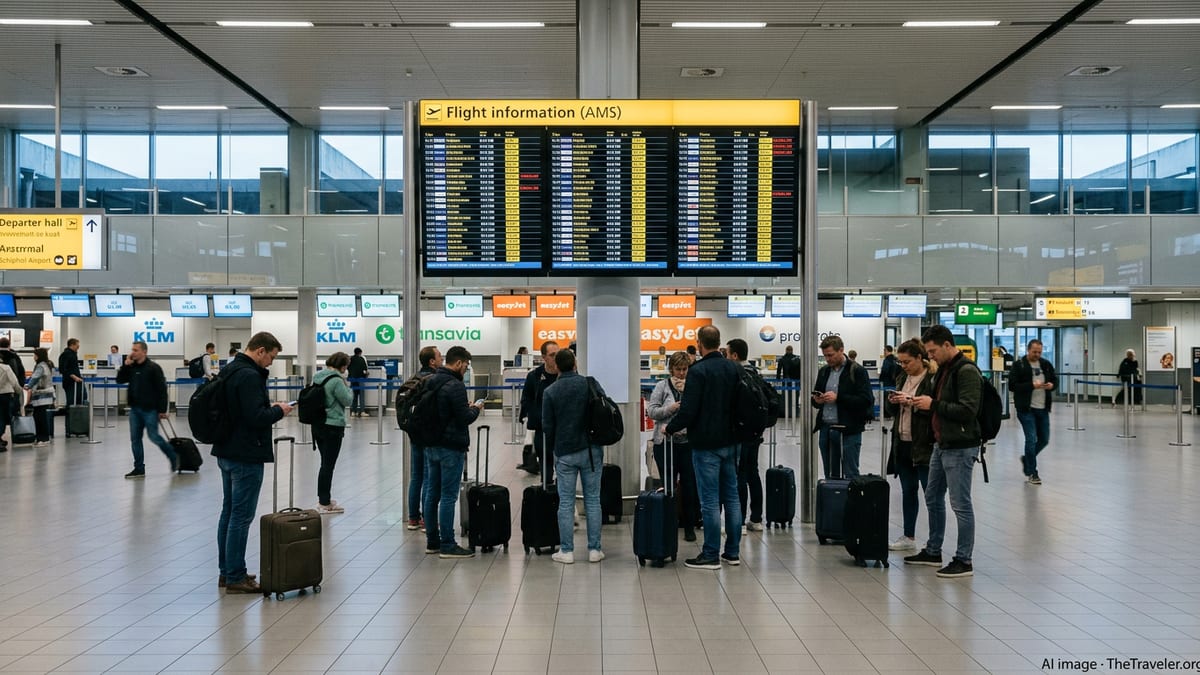
Fresh Disruptions Around Northern Europe’s Busiest Hubs
Recent operational data from flight tracking and passenger-rights monitors for late March and early April 2026 indicate that northern Europe’s major hubs are again under pressure, with traffic into and out of London, Manchester and Copenhagen showing elevated levels of delay. Reports from industry-focused outlets describe hundreds of late departures and arrivals on some days, with services linking the UK to Scandinavia and onward to Russian destinations among those affected.
On March 28, disruption reports highlighted more than 500 delayed flights and several dozen cancellations across key airports including London Heathrow and Copenhagen, creating bottlenecks for regional connections into Denmark and beyond. Similar patterns were observed in the final week of March at Manchester and Amsterdam, where late-arriving aircraft and crew shortages pushed back departure times on onward services to Nordic and Baltic markets.
Publicly available information from aviation analytics providers suggests that the current wave of disruption has carried into the first days of April 2026, overlapping with the busy Easter travel period. With demand now back at or above pre-pandemic levels in many European markets, relatively small disturbances at hub airports are more likely to spill over into neighboring countries and connecting routes.
Flight paths that would normally offer smooth links between the UK, Denmark and western Russia are proving particularly vulnerable to these ripples. Delays on early morning feeder flights from regional UK airports into London or Copenhagen can leave travelers facing missed connections and long rebooking queues for later departures further east.
Airspace Restrictions and Rerouting Around Russia
Routes that traverse or skirt Russian airspace remain structurally challenging for European and UK carriers, and this continues to play a role in extended flight times and schedule fragility. Since wide-ranging restrictions were imposed after the escalation of conflict in Eastern Europe, airlines have been forced to divert many services that previously took more direct paths through Russian skies.
Industry briefings and network maps published over the past year show that flights connecting northern and western Europe with East Asia have been among the most affected, with longer routings adding to fuel costs and reducing timetable flexibility. Even where flights operate only between Europe and western Russia, the knock-on effects of closed or restricted corridors in surrounding regions are contributing to congestion in permitted routes and neighboring airspace.
Scandinavian aviation assessments released in 2025 and early 2026 point to a lasting impact on traffic patterns to and from Denmark, especially for services that previously made use of Russian or adjacent overflight rights on longer sectors. With aircraft and crew resources already stretched by strong summer schedule growth, these structural constraints mean there is less slack in the system when weather or staffing problems arise further west.
For passengers traveling between the UK, Denmark and Russian cities now primarily served by non-European or code-share partners, this restricted routing environment can translate into tighter connection windows and a higher probability that a delay at one end of the journey will cascade into missed onward links.
Weather, Holiday Peaks and Air Traffic Control Capacity
While airspace closures and geopolitical factors are adding structural strain, more immediate triggers for the latest delays include unsettled weather and capacity limits in air traffic control. Network overviews compiled by Eurocontrol for January and February 2026 point to rising airport weather delay across parts of Europe, with low cloud and winter conditions contributing to longer arrival and departure queues at several major hubs.
Travel advisories issued ahead of the Easter 2026 holiday period warned that high passenger volumes, staffing constraints and the rollout of new border procedures at some European entry points were likely to extend processing times at UK airports. That warning has coincided with elevated delay levels on popular leisure and visiting-friends-and-relatives routes from the UK into Denmark and onward to other parts of northern Europe.
Separate economic and operational assessments of European air traffic control systems published in late March highlight that capacity limitations and staffing challenges continue to generate en route restrictions on busy days. These constraints can lead to flow-control measures, forcing aircraft to depart later than scheduled or to accept longer routings, which in turn create knock-on delays on subsequent sectors.
In practical terms, a single period of low visibility or congestion at a major hub such as Heathrow or Copenhagen early in the day can have consequences that reach flights departing hours later to secondary cities in Denmark or to Russian destinations still served from these gateways. As airlines work to recover their schedules, passengers often face retimed departures, missed night connections and extended waits for available seats.
Impact on Travelers and Passenger Rights
The latest disruption is once again testing the resilience of passenger protections across Europe. Public guidance from consumer groups and regulators emphasizes that many flights operating between the UK, Denmark and European Russia fall under European passenger-rights frameworks such as EU261 or aligned UK rules, which set out entitlements in cases of long delays or cancellations.
Under these regimes, travelers on eligible flights may have a right to rerouting, refunds and in some circumstances fixed-sum compensation, provided the disruption is not solely attributable to extraordinary circumstances such as severe weather or sudden airspace closures. Published advice stresses, however, that determining eligibility often depends on the precise cause of delay and the amount of time by which a journey was extended.
Rights organizations and legal specialists note that ongoing structural issues, including reduced access to Russian airspace and broader geopolitical tensions affecting flight paths, typically fall into categories that limit direct compensation claims, even when they lead to longer journeys. Nonetheless, airlines still carry obligations for care and assistance, including meals, accommodation and communication support when passengers are stranded overnight.
Travel experts recommending best practice advise passengers on UK, Danish and Russian-related routes to retain boarding passes, booking confirmations and any written explanations provided by carriers regarding the cause of disruption. These documents can be important when submitting claims or seeking reimbursement after a severely delayed or cancelled flight.
What Travelers Can Expect in the Coming Weeks
Forecasts issued by Eurocontrol in early April suggest that overall European flight volumes in 2026 are expected to edge higher than in 2025, confirming that traffic has firmly returned to pre-pandemic levels. With the UK and Denmark among the strongest markets for new routes and capacity growth this summer, the underlying trend points to even busier skies on many corridors, including those linking to Russian destinations through third-country hubs.
At the same time, recent travel warnings and network analyses indicate that several of the pressures currently driving delays are unlikely to ease immediately. Ongoing conflict-related airspace issues in the broader region, industrial action at select southern European airports and the phased introduction of new border control technology all add complexity to airline operations and scheduling.
For travelers planning upcoming trips between the UK, Denmark and Russia, this environment means it may be prudent to build in additional connection time and to monitor flight status closely in the days before departure. Publicly available timetables and disruption dashboards from airlines and airports show that schedules remain subject to late changes when weather or congestion flare up.
While there is no clear indication that services on these routes will be reduced in the near term, the pattern of rolling delays and occasional cancellations seen through March and early April underlines that Europe’s aviation network is still operating with limited margin for disruption. Passengers who stay informed about their rights and remain flexible with routing and timing are likely to be best placed to navigate the weeks ahead.