

More news on this day
Geopolitical turbulence in the Middle East is reshaping global aviation flows, with India rapidly emerging as a preferred long-haul hub for Europe-Asia traffic as European airlines ramp up flights to the country while Gulf carriers contend with airspace closures and operational disruptions.
Get the latest news straight to your inbox!
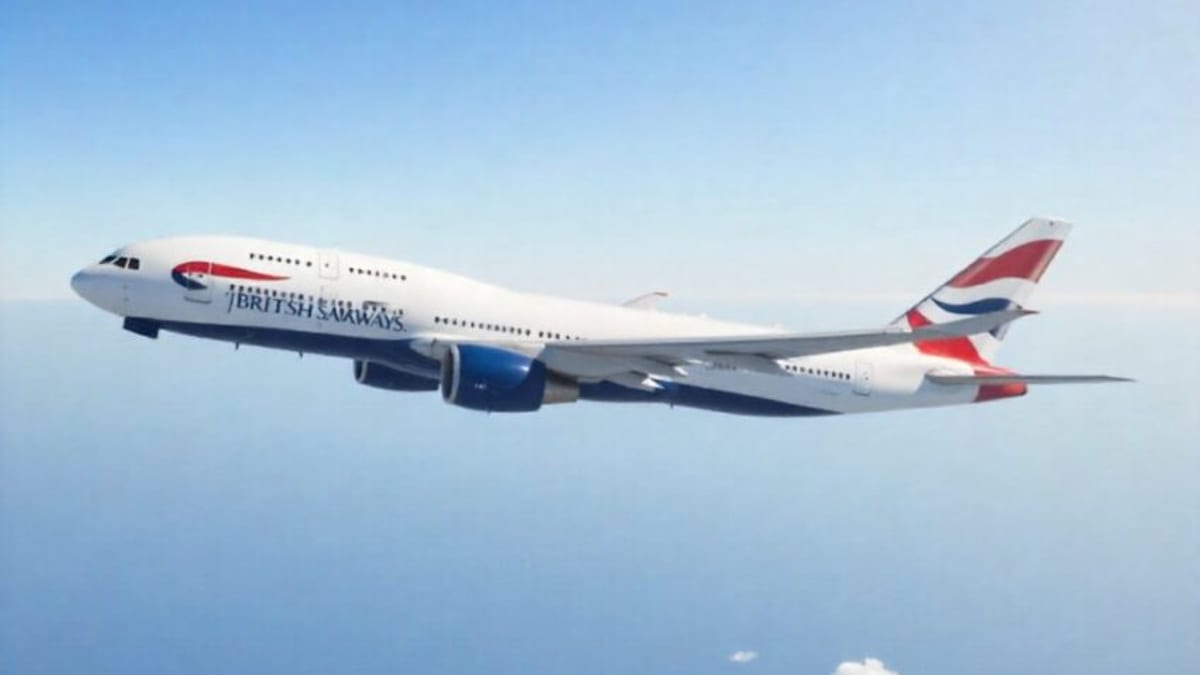
Image by Latest International / Global Travel News, Breaking World Travel News
Middle East Conflict Squeezes Gulf Hub Capacity
Recent conflict involving Iran and its neighbors has triggered rolling airspace closures across parts of the Middle East, affecting some of the world’s most heavily used transit corridors between Europe, Asia and Africa. Published coverage shows that temporary shutdowns of airspace over Iran, Iraq and surrounding states have forced large-scale rerouting of traffic that typically flows through Dubai, Abu Dhabi and Doha.
According to publicly available data from flight tracking platforms and aviation analytics cited in recent reports, the February 2026 strikes on Iran led to the cancellation or diversion of thousands of flights in just a few days, including more than 1,800 services operated by the region’s three largest Gulf carriers. With key hub airports facing intermittent suspensions of operations, airlines have been compelled to thin schedules, leave aircraft on the ground and prioritize core trunk routes.
These constraints are layered on top of ongoing security concerns in Red Sea and eastern Mediterranean airspace, which have already lengthened many routings and increased fuel burn. For carriers built around connecting traffic over Gulf hubs, the combined effect has been a sudden reduction in the reliability and attractiveness of one-stop itineraries that used to dominate flows between India, Europe and North America.
As travelers and corporate travel managers reassess preferred routings, attention is shifting eastward toward India’s rapidly expanding airports, where local and foreign airlines have the flexibility to add nonstops and one-stop connections that bypass volatile airspace.
India’s Aviation Market Scales Up for a Hub Role
India’s domestic and international aviation sectors were already on a steep growth trajectory before the latest Middle East tensions. Industry assessments value the country’s aviation market at more than 14 billion dollars in 2024, with forecasts pointing to a tripling of that size by early next decade and passenger growth of around seven percent in 2025.
Publicly available traffic data indicates that India handled tens of millions of international passengers in 2024, with the Middle East accounting for the single largest share of origin-and-destination traffic. Even so, direct links between India and Europe have expanded more slowly, leaving room for Gulf carriers to dominate one-stop flows. That balance is now shifting as Indian and European airlines move to plug capacity gaps and capture rerouted demand.
India’s primary hubs in Delhi, Mumbai and Bengaluru are investing in additional runway and terminal capacity, with new airports at Navi Mumbai and Noida expected to further increase throughput. At the same time, bilateral air services agreements with European countries have gradually been liberalized, giving airlines more room to grow frequencies and add new city pairs.
Reports on fleet orders and delivery schedules show Indian carriers in the midst of historic expansion, with hundreds of narrowbody and widebody aircraft slated for delivery over the coming years. That fleet growth, combined with rising international demand and constraints at Gulf hubs, positions India to function as a natural alternative bridge between European and Asia-Pacific markets.
European Carriers Add Capacity and Deepen Partnerships
European airlines have moved quickly to capitalize on India’s new strategic importance. Network announcements over the past year highlight additional frequencies, new gateways and deeper partnerships that collectively increase nonstop and one-stop options between India and Europe without routing through the Gulf.
Lufthansa Group and Air India have expanded their codeshare arrangements to cover close to 100 routes across India, Europe and beyond, enabling more seamless connections via Frankfurt, Munich, Zurich and Vienna. Information released by the airlines indicates that the deal now extends to Austrian Airlines and Swiss, broadening the number of European points that can be reached from Indian cities on a single ticket.
Air France-KLM has taken a similar approach with IndiGo, India’s largest airline by passenger numbers. A memorandum of understanding signed during the 2025 IATA annual meeting in Delhi and subsequent announcements outlined an expanded codeshare that allows IndiGo to place its code on KLM-operated flights to around 30 destinations across Europe and the United Kingdom via Amsterdam. In return, European travelers gain streamlined access to dozens of Indian cities on IndiGo’s domestic network.
Other European carriers, including Finnair and Aegean Airlines, are also reshaping their schedules around India. Finnair has maintained daily services between Helsinki and Delhi, while Aegean has announced plans for new A321XLR routes from Athens to Indian metros from 2026. These moves collectively point to a strategic bet that India will anchor a greater share of Europe–Asia itineraries in the coming years.
Indian Airlines Push Direct Europe Links as Gulf Detours Grow
Alongside European partners, Indian airlines are stepping into long-haul markets that were historically ceded to Gulf hubs. Air India and IndiGo have both outlined aggressive plans for more direct Europe services, supported by widebody fleet additions and long-range narrowbodies entering service in the second half of the decade.
Industry-focused publications report that Air India is adding and increasing frequencies on routes such as Delhi–Rome and other European capitals in 2026, part of a broader transformation program funded by significant new investment. IndiGo, traditionally a domestic and regional low-cost operator, has begun to experiment with longer sectors and wet-leased widebodies, while planning nonstops from Indian metros to cities including London, Manchester, Amsterdam and Copenhagen in the 2025–26 financial year.
Schedules published by IndiGo show a growing list of European points, with direct services from Mumbai to Amsterdam entering the network in 2025 and Copenhagen recently added as the carrier’s first Scandinavian destination. These routes offer alternatives to itineraries that previously required a connection through Dubai, Doha or Abu Dhabi, particularly appealing at a time when detours around closed airspace can add hours to Gulf-transit journeys.
By offering more point-to-point and near-direct routings, Indian and European airlines are narrowing the time and convenience advantage that Gulf carriers once enjoyed, especially for time-sensitive business and premium leisure travelers.
Shifting Passenger Flows and the Future of Global Hubs
Passenger behavior is adjusting quickly to the new geography of risk and reliability. Travel agents and corporate booking tools are steering customers toward routings perceived as more stable, even when they involve slightly higher fares or longer total flight times. Data referenced in recent aviation analyses indicates that, while Middle East hubs still handle a significant share of India–Europe and India–North America flows, their dominance has eased as travelers test alternative paths through Delhi, Mumbai, Bengaluru and European hubs.
India’s strengthened position is also supported by a web of new and expanded codeshares that integrate Indian carriers into global alliance networks without formal membership. IndiGo’s arrangements with Delta Air Lines, Air France-KLM and Virgin Atlantic, alongside Air India’s role within Star Alliance and its enlarged partnership with Lufthansa Group, effectively turn Indian airports into connectors between regional and intercontinental networks.
Looking ahead, the durability of India’s new hub status will depend on how long Middle East disruptions persist, as well as on India’s ability to sustain infrastructure upgrades and manage operational growing pains such as staffing and scheduling. However, the rapid response from European airlines and the scale of planned capacity additions suggest that, even if Gulf operations normalize, a larger structural role for India in global air travel is now taking shape.
For travelers between Europe and Asia, this emerging architecture is likely to mean a wider array of itineraries that touch India, whether as a final destination, a short stopover or an entirely new kind of transfer point in the global aviation network.