

More news on this day
Hundreds of air passengers were left stranded across Europe today as airports in Germany, the United Kingdom, Turkey, the Netherlands, France and other countries reported 46 flight cancellations and 386 delays, disrupting operations at major carriers including British Airways, KLM, easyJet and Virgin Atlantic at hubs such as Munich, Brussels and Amsterdam.
Get the latest news straight to your inbox!
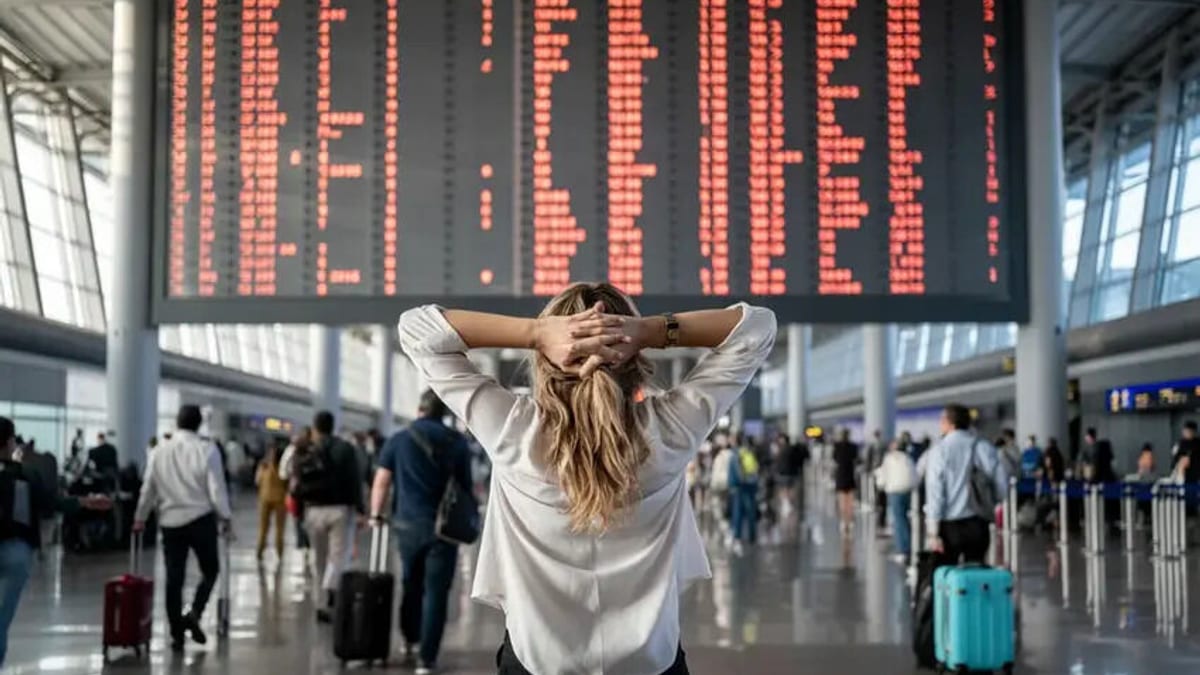
Image by Travel And Tour World
Widespread Disruption Across Major European Gateways
Publicly available airport and tracking data indicate that the disruption is concentrated at some of Europe’s busiest hubs, including Munich, Brussels and Amsterdam, with knock-on effects visible across wider networks in Germany, the United Kingdom, Turkey, the Netherlands and France. The combined impact of 46 cancellations and 386 delayed services has left passengers queuing for rebooking, hotel vouchers and updated boarding information.
Schedules show that both short haul and medium haul services have been affected, with flights linking major European cities as well as connections onto long haul routes. This pattern has created particular problems for passengers relying on tight transfer windows, where a delay of even an hour can mean missed connections and extended journeys.
Operational data from several airports suggest that the disruption is not confined to one time of day. Morning banks of departures in northern Europe, midday rotations into southern and eastern Europe, and evening returns have all seen irregular operations, compounding congestion across the network as aircraft and crews fall out of position.
Travel forums and social media posts from affected passengers describe long lines at transfer desks and self-service kiosks, with some travellers reporting waits of several hours for confirmed alternative itineraries. Others have opted to abandon their trips entirely where same day rebooking has not been possible.
Flag Carriers and Low Cost Airlines Hit Alike
Published coverage and live tracking feeds show that the disruption has cut across airline business models, with flag carriers and low cost operators both reporting irregular operations. British Airways, KLM, easyJet and Virgin Atlantic feature prominently among the affected airlines, alongside a mix of regional and leisure carriers operating within Europe and beyond.
British Airways and Virgin Atlantic services at major UK airports have registered a combination of late departures and delayed arrivals, with some flights operating out of usual sequence as airlines work to reposition aircraft. These changes can have cascading effects on subsequent rotations, particularly for widebody aircraft allocated to long haul routes.
At Amsterdam Schiphol, data indicate that KLM and partner airlines have faced particular pressure on short haul European sectors, echoing earlier periods in which the Dutch hub has struggled with tight runway capacity and staffing limitations. Delays on these feeder services can disrupt long haul departures to North America, Africa and Asia, where connecting passengers may arrive late from other European cities.
Low cost operator easyJet appears among the most exposed to today’s irregular operations, given its dense schedule linking secondary and primary airports. Even modest delays on high frequency routes in and out of the United Kingdom, France and the Netherlands can ripple through the carrier’s network, affecting passengers far from the original point of disruption.
Weather, Airspace Constraints and Operational Bottlenecks
While no single cause has been identified for today’s pattern of 46 cancellations and 386 delays, publicly available information points to a mix of contributing factors. Seasonal weather variations across central and western Europe, including low cloud, gusty winds and intermittent showers, have periodically reduced airport capacity and extended separation between aircraft.
At the same time, ongoing airspace constraints linked to security considerations and military activity in parts of the Middle East and eastern Mediterranean continue to affect European carriers’ routing choices. Industry analyses over recent weeks have highlighted longer flight paths, additional fuel requirements and tighter scheduling margins where aircraft must avoid certain flight information regions.
Operational bottlenecks within key hubs appear to be another driver. Airports such as Amsterdam and some major UK gateways have, in recent years, periodically struggled with balancing high passenger throughput against security screening, baggage handling and air traffic control staffing. On busy days, even minor technical issues or staffing gaps can tip operations from manageable delays into widespread knock-on disruption.
These overlapping pressures mean that a relatively modest number of direct cancellations can coexist with a much larger pool of delayed flights, as airlines opt to operate services late rather than cancel outright. Passengers, however, can experience comparable levels of disruption, particularly where onward connections or time-sensitive plans are involved.
Passenger Experience at Munich, Brussels and Amsterdam
Across Munich, Brussels and Amsterdam, where many of today’s cancellations and delays have clustered, passengers have reported a familiar pattern of crowded terminals, rolling departure boards and frequent gate changes. Visual evidence and message boards suggest that travellers are relying heavily on airline apps and airport displays as gate staff work through long queues of rebooking requests.
At Munich, irregular operations on intra-European flights have proved particularly challenging for connecting passengers originating from smaller regional airports. A delayed arrival from another European city can mean a missed onward flight to destinations in Turkey, the United Kingdom or the Mediterranean, often requiring overnight stays or re-routing via alternative hubs.
Brussels and Amsterdam have seen similar complications, with business travellers and holidaymakers alike facing extended dwell times in terminals. Families travelling at the end of school holidays or ahead of major events appear especially affected, as limited spare seat capacity on later flights narrows rebooking options.
Reports from consumer rights groups and travel commentators circulating online emphasise the importance of keeping digital boarding passes, monitoring real-time notifications and approaching airline service desks early where a delay looks likely to threaten a connection.
What Stranded Travellers Can Do Next
For passengers caught up in today’s European flight disruption, established consumer guidance highlights several immediate steps. Travellers are encouraged to document boarding passes, receipts and any written confirmation of cancellations or long delays, as these can support later claims for refunds, rerouting and, where applicable, statutory compensation.
Regulation within the European Union and the United Kingdom provides a framework of rights for passengers facing cancellations and substantial delays, particularly where services originate in an EU or UK airport or are operated by EU or UK carriers. These rules can entitle travellers in certain circumstances to meals, hotel accommodation and, in some cases, financial compensation, although specific thresholds and exclusions apply.
Experts also point to the value of proactively exploring alternative routes, including indirect itineraries through less congested hubs, when same day rebooking on an original route is not possible. In some cases, passengers have reported success calling airline contact centres or using digital chat functions while simultaneously queuing at airport desks, increasing the chance of securing scarce remaining seats.
With 46 flights cancelled and 386 delayed across multiple European countries today, industry observers warn that residual disruption could continue into tomorrow’s schedules as aircraft and crews return to normal rotations. Travellers holding bookings over the next 24 to 48 hours are advised to monitor their flight status closely and to allow extra time at the airport in case further delays emerge.