

More news on this day
Hundreds of travelers across Europe faced significant disruption today as more than 85 flights were cancelled and at least 1,577 services delayed, affecting major hubs from London and Zurich to Berlin and Athens and disrupting operations at leading carriers including British Airways, SAS, Virgin Atlantic and Lufthansa.
Get the latest news straight to your inbox!
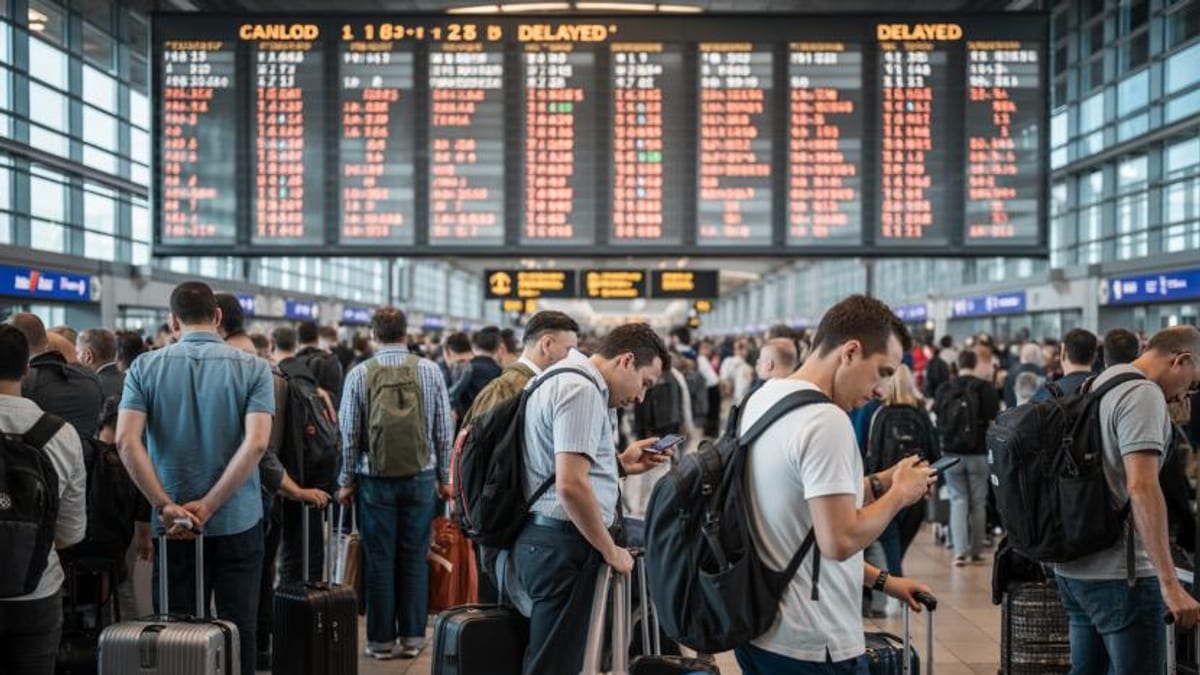
Image by Travel And Tour World
Major Hubs from London to Zurich Under Strain
Airports in the United Kingdom, France, Germany, Norway and several other European countries reported a sharp uptick in schedule disruption, with cancellations and rolling delays rippling through already busy winter and early spring timetables. Publicly available flight-tracking data shows congestion building across key corridors linking London, Zurich, Berlin and Athens, as airlines adjusted schedules and ground operations struggled to recover.
Reports from aviation data providers indicate that London area airports, particularly Heathrow and Gatwick, saw some of the heaviest pressure, with knock-on delays affecting both short haul and long haul services. Zurich, Berlin and Athens also appeared among the most affected hubs, reflecting their roles as important transfer points within European networks.
The pattern of disruption, with far more delayed flights than outright cancellations, suggests that many airlines opted to keep services operating with extended turnaround times rather than cutting large parts of their schedules. However, the cumulative effect for passengers included missed connections, extended waits at gates and rebookings onto later departures.
Recent punctuality reports from European aviation bodies already highlighted strain at several of the airports now experiencing problems, including capacity related delays at Zurich and recurring air traffic flow constraints into Athens. The latest wave of disruption has exacerbated those underlying bottlenecks and tested contingency plans drawn up by airport and air navigation service providers over the past year.
Flagship Airlines Struggle to Keep Timetables Intact
Among the airlines most visibly affected were British Airways, SAS, Virgin Atlantic and Lufthansa, alongside a range of European and intercontinental operators. Public schedules and live-status platforms showed cancellations and prolonged delays across both point to point and connecting routes, particularly on services touching the United Kingdom, Germany and Scandinavia.
British Airways and Virgin Atlantic, which rely heavily on London area airports as primary hubs for transatlantic traffic, faced delays that quickly spilled into their wider networks. Even where services ultimately departed, late incoming aircraft and congested departure slots contributed to rolling disruption throughout the day.
In Germany and the Nordic region, Lufthansa and SAS contended with similar pressures on their core European and feeder routes. Disruptions at Berlin, Frankfurt and major Scandinavian gateways complicated tight connection windows, leaving some transfer passengers stranded or re-routed via alternative hubs.
According to published coverage and industry operations data, carriers have increasingly emphasized keeping aircraft in service and minimizing outright cancellations except where necessary for safety or crew-duty constraints. That approach can reduce the number of passengers left without any same-day option, but it tends to produce longer queues at check in, rebooking desks and customer service centers when delays accumulate.
Weather, Airspace Bottlenecks and Capacity Issues Combine
While the immediate triggers for the latest disruption varied by country and airport, a familiar mix of adverse weather, airspace constraints and local capacity limitations appears to be at work. In recent months, European windstorms and episodes of heavy snowfall have repeatedly affected operations at major hubs, and current forecasts again point to unsettled conditions over parts of western and central Europe.
Air navigation and punctuality reports from European agencies have repeatedly highlighted chronic congestion in some of the air routes feeding into London, Zurich, Berlin and Athens. Capacity reductions linked to air traffic management transitions, staffing constraints and temporary restrictions around busy terminal airspace have all contributed to elevated delay levels compared with pre pandemic norms.
At the airport level, ground handling and de icing operations remain sensitive to bouts of strong wind, freezing temperatures and heavy precipitation. Recent case studies, such as earlier winter storms that forced large numbers of cancellations and delays at Amsterdam Schiphol, illustrate how quickly conditions can deteriorate when runways, taxiways and ramp areas become difficult to operate safely.
Publicly available data on past seasons also shows that when several weather and capacity factors coincide across different parts of Europe on the same day, disruption at one hub can quickly cascade across the continent. Airlines that operate complex connecting banks at multiple airports are particularly exposed when a delayed inbound aircraft fails to arrive in time to feed onward flights.
Impact on Passengers and Their Rights
For passengers caught in the current wave of cancellations and delays, the practical consequences range from missed holidays and business appointments to unexpected overnight stays and additional expenses. At major hubs, images and reports from terminals show crowded departure halls and long lines at ticket counters as travelers seek information on rebooking and compensation options.
European air passenger rights rules, including Regulation (EC) No 261/2004 and equivalent arrangements in associated countries such as Switzerland and Norway, set out common standards for assistance and, in some cases, compensation when flights are cancelled or heavily delayed. The exact entitlements depend on factors such as the length of the delay, the distance of the flight and whether the disruption is considered outside the airline’s control.
Public guidance from consumer organizations advises travelers to keep boarding passes, booking confirmations and receipts for reasonable expenses such as meals and accommodation in case they need to submit a claim later. Many carriers now encourage customers to use mobile apps and online tools to check live status, rebook onto alternative services or request refunds, in order to reduce pressure on airport staff during major disruption events.
Nevertheless, analysts note that passengers are often uncertain about what they can claim and from whom, particularly when journeys involve multiple airlines or tickets issued under different booking references. The scale of the latest disruption is likely to generate another wave of complaints and legal challenges as travelers test the limits of existing regulations.
Outlook for Recovery and the Coming Travel Weeks
Operational data suggests that airlines and airports are working to clear backlogs by reallocating aircraft, adjusting rotations and consolidating lightly booked services where possible. However, with more than 1,500 delayed flights already recorded and dozens still cancelled, recovery may take at least another full operating day in some parts of the network as aircraft and crew are repositioned.
Industry observers point out that European aviation entered 2026 with traffic levels close to, or in some cases exceeding, pre pandemic volumes, while infrastructure and staffing levels in some air traffic control centers and ground handling companies have not fully kept pace. That imbalance leaves the system more vulnerable to weather events and technical issues, and it can turn what might once have been a localized disruption into a continent wide challenge.
For travelers with upcoming trips in the next several days, publicly available advice from airports and carriers stresses the importance of checking flight status before leaving for the airport, allowing extra time for security and border controls, and ensuring that contact details in bookings are up to date so that schedule changes can be communicated quickly.
With the peak spring travel period approaching and further unsettled weather possible, analysts expect airlines and airport operators to face continued scrutiny of their resilience plans and investment in both staffing and technology. The experience of today’s disruption underscores how sensitive Europe’s dense air traffic network remains to shocks, even as demand for international travel continues to grow.