

More news on this day
Europe’s biggest airports are heading into the peak summer travel season with a difficult arithmetic problem: jet fuel demand is rising faster than supply, just as new climate rules require more of that fuel to be low carbon.
Get the latest news straight to your inbox!
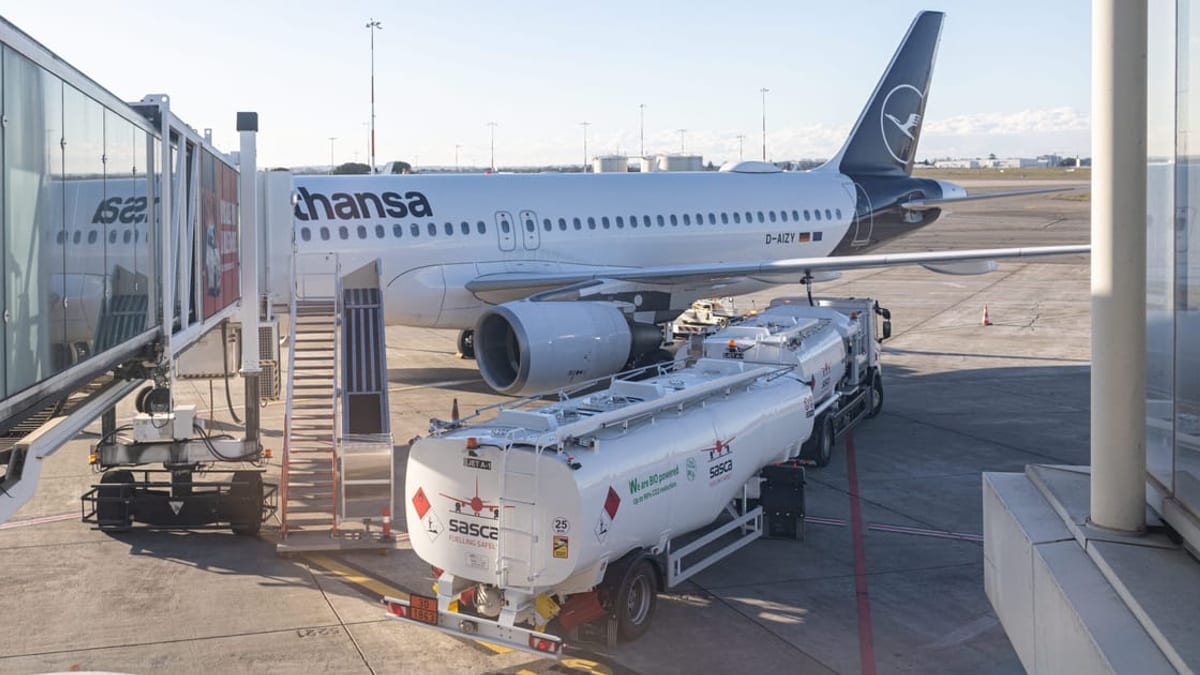
Image by politico.eu
Traffic rebounds as fuel markets tighten
Air travel across Europe has largely recovered from the pandemic slump, with industry forecasts pointing to steady growth in flights and passengers through the second half of the decade. Eurocontrol projections show European traffic returning to or slightly exceeding 2019 levels around 2025, with flight numbers expected to climb by roughly 1 to 2 percent annually afterward. That rebound is feeding a steady increase in demand for aviation fuel at the region’s main hubs.
At the same time, refined product markets remain strained by geopolitical shocks and shifting global energy flows. Publicly available assessments from European institutions describe continued pressure on diesel and jet fuel supplies, even where crude oil is available in sufficient volumes. Prices for middle distillates have stayed elevated compared with pre-crisis norms, tightening margins for airlines that already count fuel among their largest operating costs.
Industry forecasts compiled by energy analysts indicate that Northwest Europe’s jet fuel demand is on track to post further annual gains into 2026, although absolute consumption still lags the last pre-pandemic years. More flights, fuller aircraft and easing of earlier aircraft delivery bottlenecks are all contributing to higher uplift volumes at key airports serving London, Paris, Frankfurt, Amsterdam, Madrid and other major cities.
For the travel sector, the result is a growing mismatch between thirstier skies and a fuel system that has limited flexibility. While Europe has avoided outright shortages so far, the region’s airports now sit at the center of a more fragile supply chain in which refinery outages, shipping disruptions or new sanctions can quickly ripple into higher prices and tighter availability.
New green fuel mandates reshape demand
Layered on top of conventional jet fuel dynamics is a structural shift driven by the European Union’s climate policy. Under the ReFuelEU Aviation regulation, which took effect on January 1, 2025, aviation fuel suppliers at EU airports must ensure that a minimum of 2 percent of the fuel they provide is classified as Sustainable Aviation Fuel, or SAF. The mandate then rises in stages, to 6 percent in 2030 and progressively higher levels toward mid-century.
According to summaries published by European regulators and industry groups, this obligation applies to fuel made available at EU airports rather than to individual flights, turning airport fuel farms into the main arena where compliance is measured. Suppliers can meet the requirement using SAF produced within the bloc or imported from other regions, as long as it meets strict sustainability and greenhouse-gas criteria established in broader EU energy legislation.
Early data from European safety and regulatory bodies indicates that fuel providers collectively supplied a few hundred thousand tonnes of SAF to EU airports in 2024, still a fraction of overall jet fuel use but a sharp increase on previous years. Market coverage suggests that European airlines likely met or slightly exceeded the 2 percent green fuel target for 2025 on average, helped by long-term offtake contracts and concentrated deliveries at a handful of major hubs.
However, reports also point to a highly concentrated SAF market, in which a small group of producers and traders accounts for the vast majority of volumes. This concentration, combined with high production costs and limited feedstock, leaves airports exposed to price spikes and supply interruptions as mandates tighten.
Capacity constraints and refinery choices bite
Behind the fuel hydrants and storage tanks at Europe’s airports lies a refining system that has been reshaped by years of closures, conversions and strategic pivots. Several traditional refineries that once supplied kerosene to European hubs have either shut down or been retooled to produce biofuels and petrochemicals, reducing the pool of plants able to deliver conventional jet fuel in large quantities.
In parallel, some of the high-profile projects that were expected to underpin Europe’s SAF supply have run into delays or revisions. Public statements from major energy companies have highlighted re-evaluations of large biofuel complexes in the Netherlands and elsewhere, citing cost pressures, project complexity and evolving market conditions. While companies remain active in trading and supplying SAF, these decisions have tempered expectations of a rapid, European-based production boom.
Analysts note that Europe is increasingly relying on global trade flows to balance its jet fuel market, importing both conventional kerosene and SAF blends from other regions. This makes the continent’s airports more vulnerable to shipping bottlenecks and competition from buyers in Asia, North America and the Middle East, especially when long-haul demand is strong in multiple regions at once.
For airport operators and airlines, these upstream realities translate into a tighter operating environment. Storage infrastructure, pipeline capacity and supply diversification strategies are becoming as important as runway slots when it comes to keeping aircraft fueled and schedules stable.
Cost pressures reach airlines and travelers
The combination of higher crude prices, strong demand for middle distillates and a premium for SAF has direct implications for airfares. Industry analyses generally estimate that sustainable aviation fuels cost several times more than conventional jet fuel, even after accounting for policy support in some markets. As the mandated SAF share increases through 2030, that cost differential is expected to filter through to airlines’ fuel bills.
Publicly available commentary from airline associations and individual carriers across Europe points to concern over the pace of SAF ramp-up relative to production capacity. Large groups with diversified networks argue that aggressive European targets, implemented while other regions move more slowly, risk shifting traffic and investment to less regulated hubs, with knock-on effects for competition between airports.
For leisure travelers, the impact is likely to be gradual but tangible. Higher underlying fuel costs can translate into modest but persistent increases in ticket prices, especially on intra-European routes where fuel is a larger share of total operating expense. Low-cost carriers that compete heavily on price may face difficult choices about capacity growth, ancillary fees and network focus if fuel costs remain structurally higher in Europe than on competing routes elsewhere.
Business travelers and long-haul passengers could also see changes in routing and capacity as airlines adjust schedules to manage fuel exposure. Carriers may deploy newer, more efficient aircraft preferentially on routes where fuel is most expensive or where SAF blending obligations are highest, subtly reshaping the map of direct connections and one-stop itineraries through Europe’s hub airports.
Strategic moves at Europe’s biggest hubs
Major European airports are responding to these pressures with a mix of infrastructure investment, partnership agreements and policy advocacy. Public documents from leading hubs in France, Germany, the Netherlands and Spain set out plans to expand fuel storage, improve pipeline links to refineries and terminals, and create dedicated facilities for blending and handling SAF.
Some airports are positioning themselves as early adopters in the sustainable fuel transition, marketing ready access to SAF as a differentiator for airlines seeking to meet corporate climate commitments. Others are pushing for broader policy frameworks that support SAF production across the region, including state-backed financing, incentives for new plants and clearer rules for accounting and certification.
At the network level, travel industry observers note that airports with robust fuel logistics and reliable SAF supply may gain a competitive edge as carriers refine their European footprints. Hubs able to guarantee both physical resilience and regulatory compliance could attract more wide-body services, connecting traffic and cargo operations, reinforcing their role in global aviation.
For now, Europe’s airports remain highly dependent on hydrocarbons even as they move to decarbonize. Rising jet fuel demand, exposed supply chains and ambitious climate mandates are combining to keep aviation fuel at the forefront of strategic planning, with implications that stretch from refinery gates to check-in counters across the continent.