

More news on this day
As Europe notches up record-breaking summer temperatures, a counterintuitive trend is reshaping the holiday map, with travellers actively seeking destinations that feel closer to winter than the traditional sunlounger break.
Get the latest news straight to your inbox!
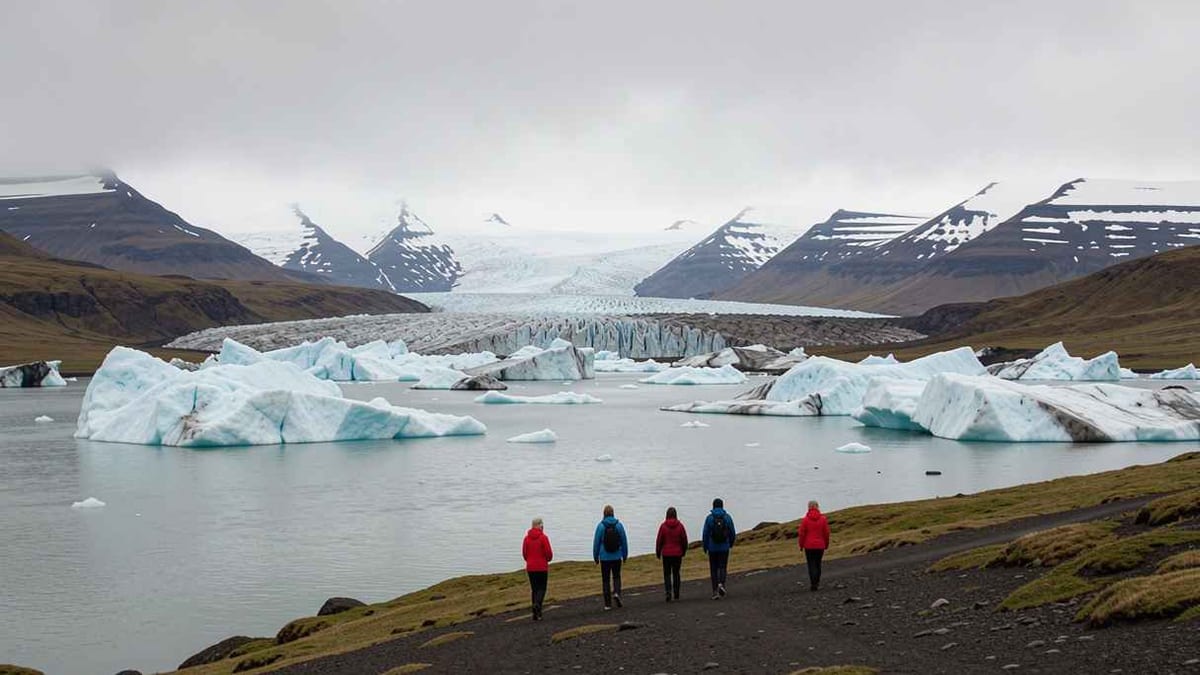
Image by Travel and Tour World – Tourism, Airline, Destination, MICE, Gobal Travel Market, Hotel news that you will find only over here.
Heatwaves Push Travellers North and Higher
Recent climate assessments show that Europe has endured a succession of exceptional summers, with 2024 ranked among the continent’s hottest on record and southern regions facing long spells above seasonal norms. Publicly available data from European climate agencies indicates that the Mediterranean, in particular, has seen more frequent and intense heatwaves, with Greece and parts of the Balkans experiencing prolonged periods above 40 degrees Celsius in mid-summer.
That backdrop is driving what some analysts describe as a structural shift in seasonal tourism. Industry reports and booking platform data point to rising demand for destinations marketed for cooler air, lakeside breezes or high-altitude relief, rather than uninterrupted sunshine. Tour operators and national tourism boards have begun to frame mountain valleys, fjord-lined coasts and far-northern islands as places to “cool off” rather than to tan.
This movement has also given a name to a wider travel phenomenon. Lifestyle and travel analysts now routinely reference “coolcations” and “heat-escape tourism” to describe holidays built around escaping extreme temperatures. While the trend began as a niche response among climate-conscious travellers, available booking statistics suggest that it is now influencing mainstream choices for peak July and August travel.
Alpine Resorts Pivot From Ski Season to Summer Chill
Mountain regions in central Europe, particularly the Alps, are emerging as flagship examples of how winter destinations are repositioning themselves for summer visitors who crave crisp air and even the possibility of pulling on a jacket at night. Coverage from European broadcasters has highlighted Austrian and Swiss resorts promoting lakes, shaded hiking trails and high-altitude viewpoints as natural air-conditioning when lowland cities swelter.
In Austria, tourism authorities are placing renewed emphasis on the country’s network of alpine lakes and high meadows, where typical summer daytime temperatures often stay in the low to mid-20s Celsius. Reports indicate that visitor numbers in some alpine valleys rose notably in recent summers as travellers from Italy, Spain and Greece traded crowded beaches for chairlifts and glacier viewpoints.
Swiss resorts that once relied heavily on winter ski income are also investing in summer infrastructure, from downhill biking routes to high-elevation walking paths, and promoting the opportunity to see snowfields and even pockets of year-round ice in July. Industry commentators note that this shift allows resorts to smooth out seasonality while catering to travellers seeking winter-adjacent landscapes without the deep cold and darkness of January.
Nordic Coasts and Arctic Outposts Become Heat Refuge
Farther north, coastal Scandinavia and the European Arctic are seeing increased interest from travellers who want to feel close to winter even at the height of summer. Reports from Nordic tourism organisations describe heightened demand for itineraries that include the Lofoten Islands, northern Norwegian ports and Icelandic coastal towns, where sea breezes and frequent cloud cover keep temperatures far below those in southern Europe.
Media coverage from 2025 highlighted northern Norway’s relatively cool conditions, with parts of the region hovering around 10 degrees Celsius during a broader European heatwave. Travellers interviewed in that coverage described the experience as a form of climate relief, trading heat advisories in their home countries for weather that required layers, rain jackets and, at times, hats and gloves.
Even in the high Arctic, places such as Svalbard are receiving more attention from summer visitors attracted by the prospect of near-freezing temperatures, visible glaciers and a landscape more closely associated with winter. Scientific publications and environmental organisations have warned that these regions are also warming quickly and facing permafrost-related risks, but the perception among tourists remains that they offer one of the last reliably cold experiences within relatively easy reach of mainland Europe.
Atlantic-Fringed “Summer Havens” Gain Ground
Europe’s western seaboard, from Scotland to Denmark and parts of Atlantic-facing Spain, is another beneficiary of the cooling trend. Travel features in British and European media have highlighted the Scottish Highlands, coastal fjords and glens as spots where average summer temperatures often linger in the mid-teens Celsius, with changeable skies and frequent rain preserving a sense of shoulder-season chill even in August.
In Denmark, tourism-focused analysis published in late 2024 described a surge in arrivals linked directly to the search for milder summer weather. According to those reports, international visitors have been drawn to beach towns and coastal forests where daytime temperatures typically range between 15 and 25 degrees Celsius, framed as a gentler alternative to the heat further south. The same reporting noted that longer daylight hours and accessible nature helped turn the country into an emerging “summer haven.”
Even some Atlantic-influenced cities in northern Spain, such as those along the Bay of Biscay, are being marketed as cooler options when compared with Iberia’s interior or Mediterranean coast. Airline booking data cited in regional travel coverage indicates that routes to cities like Bilbao have seen rising interest from travellers consciously choosing milder maritime climates over the risk of 40-degree heat inland.
Winter Experiences Without the Harshest Cold
Beyond latitude and altitude, a subset of European destinations is building summer offerings that deliver winter-associated experiences without subjecting visitors to the harshest seasonal conditions. Glacier-viewing excursions in the Alps, summer dog-sled demonstrations in Nordic countries and guided walks across residual snowfields are increasingly packaged as highlights for July and August itineraries.
According to published tourism research, many travellers drawn to these experiences are less focused on absolute temperature and more on sensory cues traditionally associated with winter: snow underfoot, visible ice, cold air on the skin and the requirement to dress in warm layers. For some, the appeal lies in the contrast between news images of drought-stricken southern Europe and their own experience of standing beside a crevasse or donning a winter parka for a boat ride past a glacier face.
At the same time, climate scientists and environmental groups caution that some of the very landscapes attracting “year-round winter” seekers are under strain. Studies highlight that Arctic and high-mountain regions are warming faster than the global average, with shrinking ice cover and increased landslide risk in areas of degrading permafrost. Industry observers suggest that the long-term viability of these cool escapes will depend on how quickly tourism operators adapt infrastructure and manage visitor numbers in fragile environments.