

More news on this day
Travelers heading to Europe in 2025 are entering a far stricter landscape, as Switzerland joins Turkey, Italy, Portugal, Spain and France in rolling out tougher rules and on-the-spot fines above €250 to rein in nuisance tourism, protect residents’ quality of life and safeguard fragile heritage sites.
Get the latest news straight to your inbox!
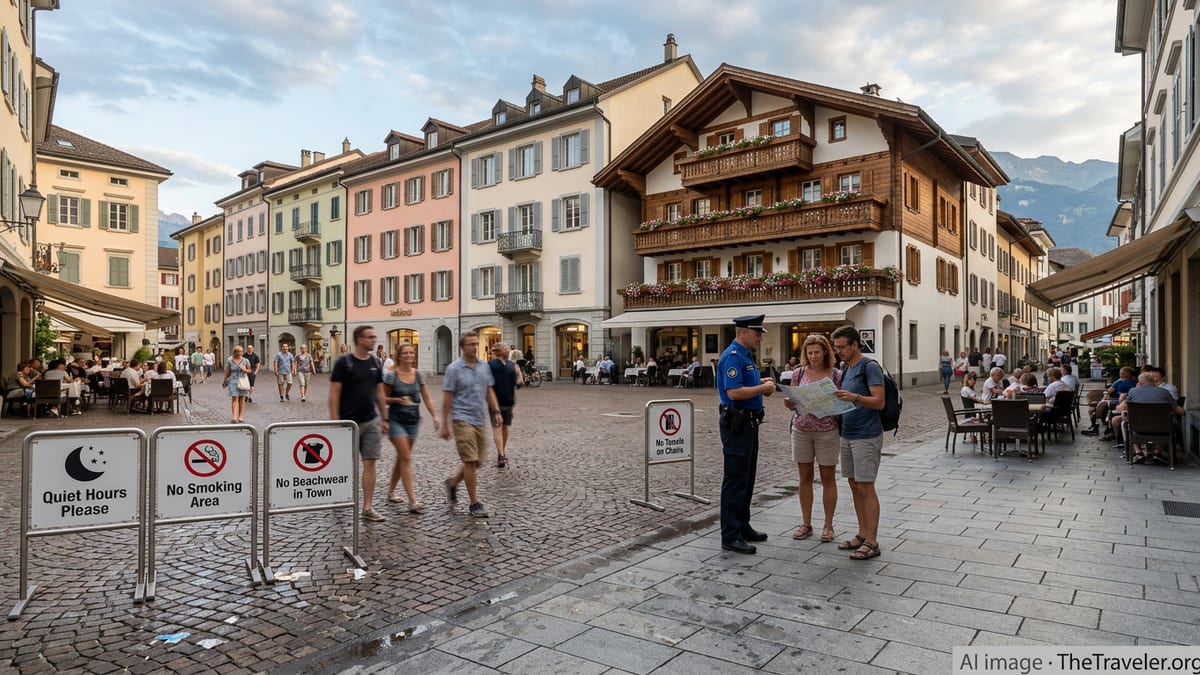
A Continent Losing Patience With Overtourism
Publicly available information shows that a wave of bylaws and national measures introduced since 2023 has sharply tightened how visitors are expected to behave in some of Europe’s busiest destinations. Cities and regions across Italy, Spain, Portugal, France and Turkey have already adopted high penalties for conduct that only a few summers ago might have earned at most a warning, from reserving sun loungers with unattended towels to wearing beachwear far from the shore.
Recent coverage of European travel trends indicates that Switzerland is now being framed alongside these countries as part of a broader enforcement push linked to sustainable tourism. While Swiss rules often sit within long-standing local ordinances on noise, litter and public order, they are increasingly highlighted in consumer travel advisories alongside the newer, headline-grabbing fines in the Mediterranean.
Many of these measures are being justified in the language of sustainability: easing pressure on overstretched old towns, protecting coastlines and parks, and moving visitor spending toward more respectful, higher-value tourism. The effect for travelers is clear. Behaviors that once passed as holiday high jinks are now explicitly priced, frequently at more than €250 per infraction.
How Switzerland Is Tightening Expectations For Visitors
Switzerland’s image as a highly ordered, rule-conscious society is now being translated more clearly into expectations for tourists. Travel advisories and insurance-industry briefings point to strict enforcement of littering rules, quiet-hour regulations in residential districts, and protections for car-free zones in Alpine resorts, with fines that can quickly climb into the hundreds of euros for repeated or serious breaches.
In car-free destinations such as Zermatt and other Alpine villages, regulations limit private vehicle access in order to cut emissions and protect historic centers. Public information from Swiss municipalities notes that unauthorized driving or parking in restricted zones can result in substantial administrative penalties often well above €250, reflecting both environmental aims and safety concerns in densely walked areas.
Noise control is another growing focus. Reports on Swiss environmental policy describe pilot projects using sound radars to track excessive traffic noise and proposals to fund mitigation measures partly through fines. For visitors, that aligns with long-standing expectations that loud parties, balcony gatherings or late-night street noise in residential neighborhoods can draw swift responses and financial penalties, particularly in lake and mountain towns where sound carries.
At the same time, several Swiss cities have moved to curb the spread of unregulated short-term rentals, amid concerns that overtourism is hollowing out central districts. Local coverage from Lucerne and Bern describes tighter caps on commercial short-stay apartments and the possibility that enforcement could be bolstered by revenue from fines, sending a clear signal that the era of limitless platform-driven growth is over.
Southern Europe’s Harder Line: Beaches, Roads And Heritage Sites
Across southern Europe, the rules are more explicit and, in many cases, tougher. In Spain’s coastal resorts, local ordinances commonly set fines of around €250 for practices such as reserving beach space with unattended towels for hours, walking through town in swimwear away from the seafront, or playing loud music late into the night. Municipal crackdowns on public drinking, antisocial behavior and street parties in nightlife zones have pushed maximum penalties even higher in some regions.
Italy’s flagship destinations have taken a particularly visible stance around heritage protection. Major cities and coastal areas have introduced or expanded fines for climbing on monuments, bathing in historic fountains, wheeling luggage with noisy hard wheels over fragile pavements, or sitting to eat on the steps of churches and civic buildings. In some cases, publicly available regulations set penalties that can run well into the hundreds or even thousands of euros, especially inside UNESCO-listed old towns.
Portugal and France have focused heavily on beach culture and public health. Reports on tourism rules describe Portuguese coastal municipalities issuing fines for walking around inland streets in swimwear and for disruptive behavior in party hotspots, with penalties that can reach four figures. France has moved to restrict outdoor smoking in busy public areas and strengthen controls on public drinking, while resort towns enforce modesty and noise rules whose fines often exceed €250 when combined with other infractions.
Turkey, meanwhile, has introduced targeted rules that may come as a surprise to some travelers. Coverage of aviation and tourism regulations notes that airline passengers who unfasten seatbelts or stand up before the aircraft has fully stopped can now face administrative fines. Although the individual amount is typically below the most sensational figures seen elsewhere, it forms part of the same narrative of strict, codified expectations for visitor conduct.
From Annoying To Expensive: Behaviors Now Carrying High Fines
Across these countries, a pattern has emerged around the types of behavior that attract penalties above €250. Beach-related misconduct is a key target. Reserving loungers and parasol spots for long periods without using them, leaving personal belongings to hold prime sand positions, smoking in newly designated non-smoking beach zones or ignoring local rules on swimwear away from the waterfront are all actions that can now trigger costly on-the-spot fines in certain Spanish, Italian and Portuguese resorts.
Road safety and driving etiquette are another area where visitors can unwittingly run up steep fines. Travel-insurance briefings and motoring advisories highlight that in France, Spain, Portugal and Italy, police can fine drivers if their footwear is deemed to compromise control of the vehicle. While the exact amounts and thresholds vary by country and region, penalties commonly reach €200 or more and may be combined with other violations, pushing total costs beyond the €250 mark.
Heritage zones and historic centers are particularly sensitive. In old towns from Venice and Florence to Barcelona and Porto, local rules increasingly prohibit cycling or scooter use in pedestrian-only lanes, picnicking on church steps, attaching padlocks to bridges, or bathing in ornamental fountains. Published city regulations show fines in the high hundreds of euros for some of these acts, reflecting the cost of cleaning, restoration and crowd management in heavily visited sites.
Short-term rental regulations add another layer of financial risk. Spain, in particular, has escalated enforcement against unlicensed tourist apartments, issuing multi-million-euro penalties to platforms that advertise properties without proper registration. For individual hosts and, in some cases, guests staying in unregistered accommodation, regional rules can provide for significant fines, underlining a European trend toward aligning tourism growth with housing and community needs.
What Travelers Need To Do Now
For visitors planning trips to Switzerland, Turkey, Italy, Portugal, Spain and France, these developments mean that basic trip preparation now extends beyond packing lists and restaurant research. Travelers are increasingly advised by consumer groups and travel insurers to review municipal codes and regional tourism pages before arrival, paying close attention to rules around beaches, driving, nightlife zones, quiet hours and heritage areas.
Simple steps can significantly reduce the risk of facing a penalty. These include choosing appropriate footwear for both city sightseeing and driving, treating residential streets in Switzerland and elsewhere as quiet zones after dark, avoiding beachwear away from the shoreline unless it is clearly accepted, and respecting cordoned-off areas around monuments and churches. On beaches, leaving towels or chairs unattended for hours is now as likely to be seen as a finable offense as it is a harmless habit.
Visitors staying in apartments or holiday rentals are also encouraged to confirm that the property is properly registered where required, and to observe building and neighborhood rules on rubbish, recycling and noise. As more cities channel fine revenue into tourism management and preservation projects, compliance is increasingly framed as part of responsible, sustainable travel.
The overarching message is that Europe’s most popular destinations remain open and welcoming, but less tolerant of behavior that undermines local life or damages prized landscapes and architecture. With fines above €250 now common across Switzerland and much of southern Europe, understanding and respecting local regulations has become as essential to a successful trip as booking flights and accommodation.