

More news on this day
EVA Air is set to launch nonstop flights between Taipei and Washington, D.C., on June 26, 2026, a new transpacific route expected to strengthen tourism, business travel, and political ties between Taiwan and the U.S. East Coast.
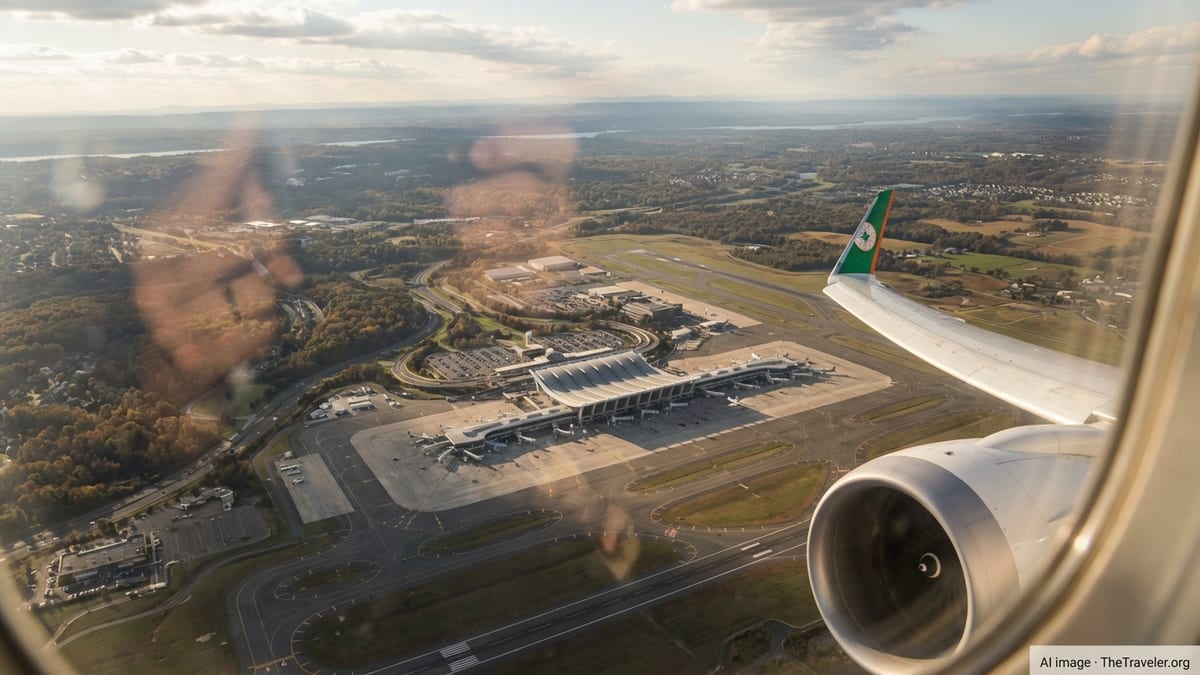
New Nonstop Link Between Taipei and the U.S. Capital
The new Taipei–Washington service will connect Taiwan Taoyuan International Airport with Washington Dulles International Airport, offering four round-trip flights per week. The schedule is designed to provide evening departures from Taipei and late-night arrivals in Washington, catering to both business and leisure travelers who prefer full workdays before long-haul flights.
According to EVA Air, the route will operate on Mondays, Wednesdays, Fridays, and Saturdays from Taipei, with return flights from Washington departing in the early hours on Tuesdays, Thursdays, Saturdays, and Sundays. The flight time is expected to be around 16 to 17 hours, placing it among the longer nonstop transpacific services currently on offer.
The launch makes Washington, D.C., EVA Air’s tenth North American gateway and its second on the U.S. East Coast, complementing existing service to New York. The new point strengthens the airline’s coverage beyond its long-established presence in West Coast and Midwest markets.
Aircraft, Cabins, and Passenger Experience
EVA Air will deploy Boeing 787-9 aircraft on the Taipei–Washington route, configured in three cabins: Royal Laurel Class business, Premium Economy, and Economy. The airline is highlighting its latest fourth-generation Premium Economy product on the service, positioning it as a business-class-like experience for long-haul travelers seeking more comfort without the full premium fare.
Royal Laurel Class is expected to feature lie-flat seating, direct aisle access, and enhanced privacy for corporate travelers, government officials, and high-end leisure passengers commuting between the two political and financial centers. Premium Economy will offer wider seats and greater pitch than standard economy, while Economy will focus on ergonomics and inflight entertainment suitable for an ultra-long-haul flight.
With a relatively fuel-efficient widebody like the 787-9, EVA Air aims to balance operating costs with passenger comfort on a route that stretches nearly 8,000 miles. The airline’s strategy is to attract higher-yield traffic with upgraded cabin products while still remaining competitive in the broader transpacific market.
Boost to Tourism and Business on the U.S. East Coast
Tourism officials on both sides of the Pacific are forecasting a positive impact from the new connection. Washington, D.C. and the broader National Capital Region draw international visitors to landmarks such as the National Mall, Smithsonian museums, and historic sites in neighboring Virginia and Maryland, making the route an attractive option for Taiwanese tourists and tour operators.
On the outbound side, travelers from the U.S. East Coast will gain a one-stop gateway to destinations throughout Asia via EVA Air’s hub in Taipei. The airline’s network links to major cities in Japan, Korea, Southeast Asia, and beyond, potentially shortening journey times for East Coast passengers who currently route through West Coast gateways or other Asian hubs.
Business travel demand is also expected to be strong, with Washington’s concentration of federal agencies, international organizations, embassies, and think tanks aligning closely with Taiwan’s technology, manufacturing, and financial sectors. Direct flights reduce transit time and increase scheduling flexibility for delegations, investors, and corporate travelers who previously relied on connections through other U.S. or Asian cities.
Strategic Expansion of EVA Air’s North American Network
The Washington route follows EVA Air’s recent expansion into Dallas–Fort Worth and solidifies the carrier’s position as the Taiwan-based airline with the broadest North American footprint. By adding the U.S. capital to a list that already includes Los Angeles, San Francisco, Seattle, New York, Houston, Chicago, Vancouver, Toronto, and Dallas–Fort Worth, the airline is moving toward a more balanced mix of West Coast, Midwest, and East Coast destinations.
For Washington Dulles, the service brings a first direct connection to Taipei and another nonstop link to Asia, reinforcing its role as the region’s primary international gateway. Airport officials have projected that the new flights will generate tens of millions of dollars in annual economic impact, driven by inbound tourism, trade missions, and increased spending tied to higher passenger volumes.
EVA Air’s membership in Star Alliance and partnerships with North American carriers are expected to make the route more attractive for connecting traffic. Travelers from secondary U.S. cities will be able to reach Taipei and onward Asian destinations via a single connection in Washington, while Taiwanese passengers will gain more options to reach interior and East Coast markets.
Implications for Taiwan–U.S. Connectivity
The nonstop service arrives at a time of deepening economic and people-to-people ties between Taiwan and the United States. Direct flights to the U.S. capital region carry symbolic as well as practical importance, facilitating government exchanges, academic cooperation, and cultural programs alongside traditional business and tourism flows.
By offering another convenient entry point to the United States, EVA Air is expected to support Taiwan’s outbound travel sector, including organized tours that combine Washington with other East Coast cities such as New York, Philadelphia, and Baltimore. At the same time, the flights provide American travelers with easier access to Taiwan’s own tourism assets, from Taipei’s urban culture and night markets to the island’s national parks and coastal destinations.
As tickets for the new route go on sale ahead of the June 26 launch, industry analysts will be watching booking trends to gauge the strength of demand for nonstop travel between Taipei and Washington. Early indications suggest that the combination of government, corporate, and leisure traffic on both ends of the route could make it a cornerstone of EVA Air’s East Coast strategy for years to come.