

Visitors arriving in Alaska often expect big landscapes and bigger adventures. What catches many off guard is something more mundane: the cost of ordinary, everyday items. From groceries and gas to restaurant meals and lodging, prices across much of the state routinely exceed what travelers are used to paying in the Lower 48, and those differences can add up quickly over the course of a trip.
Why Everyday Prices Feel So High
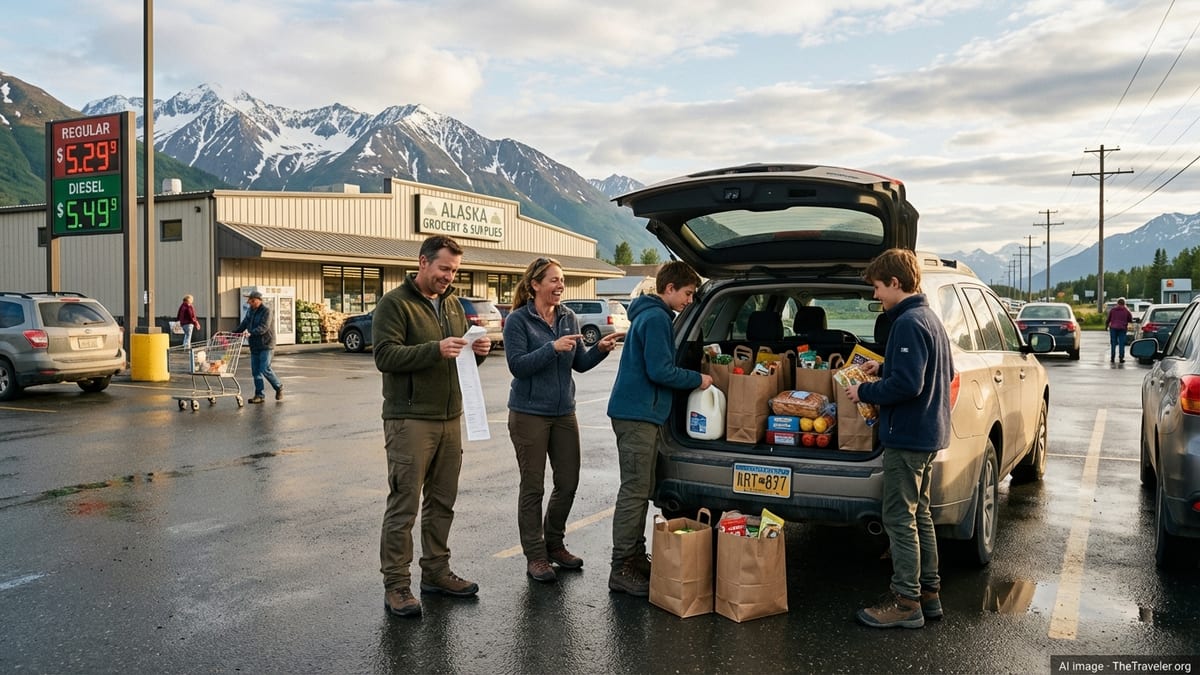
Alaska routinely ranks among the most expensive states in the United States for groceries and other essentials. Recent analyses of consumer spending data place the state just behind Hawaii for weekly grocery costs, with average Alaskan households spending noticeably more than the national norm. While the exact figures vary from year to year, the overall pattern remains stable: basic goods cost more here than they do in most of the rest of the country.
There are straightforward reasons for the sticker shock. Much of what Alaskans eat and use every day is shipped in from thousands of miles away, moved by barge, truck, or plane through a relatively fragile supply chain. That distance, combined with higher local wages, energy costs, and limited competition in remote communities, gets baked into the final price on the shelf. Travelers, especially those on longer trips, end up paying those built-in premiums as soon as they reach for milk, fruit, or a simple snack.
Within Alaska, prices can also vary sharply between urban hubs and rural communities. Anchorage and the surrounding road system, where most residents live, tend to offer the lowest prices and the widest selection. In isolated coastal or Arctic towns that depend heavily on air freight or seasonal barge deliveries, a bag of chips or a carton of eggs can cost significantly more than it would in Anchorage. Visitors who venture beyond the main road network often discover that “remote” in Alaska does not just describe the scenery; it also describes the complexity and cost of getting supplies in.
For travelers, the key takeaway is that higher everyday prices are not a tourist markup so much as a reflection of the underlying cost structure of living in the Far North. Locals pay these prices year-round, and long-term residents have learned to adapt. Visitors can, too, if they know what to expect and budget accordingly.
Grocery Store Reality: From Milk to Fresh Produce
Grocery shopping is often the first moment when visitors truly grasp Alaska’s cost of living. In Anchorage supermarkets, a gallon of milk, a loaf of bread, and a dozen eggs typically run higher than the United States average, even if not dramatically so. Data compiled in late 2025 and early 2026 suggest that milk and bread in Anchorage often sit a bit above typical national prices, while eggs and fresh produce can vary widely depending on season and supply.
Fresh fruit and vegetables provide some of the starkest contrasts. Apples, oranges, and tomatoes, priced per pound or kilogram, regularly exceed what travelers report paying at home. Bananas and potatoes can occasionally be closer to Lower 48 prices, but overall, filling a cart with produce in Alaska rarely feels like a bargain. Frozen items, packaged snacks, and dairy products tend to line up more consistently with the state’s reputation for elevated grocery costs, especially away from large-volume warehouse stores.
In smaller communities, the same items can be substantially more expensive. Reports from rural coastal towns show chips, soda, and pantry staples costing well above Anchorage levels, reflecting the cost of flying or barging food into small markets with limited storage and relatively few customers. For visitors on expedition cruises, fishing trips, or bush adventures, these prices may be their only option in between larger town stops.
Despite the premium, travelers do have strategies to keep grocery spending under control. Stocking up in Anchorage, Fairbanks, or Juneau at big-box retailers, then carrying supplies into smaller communities, can significantly lower daily costs. Many visitors also lean on picnics built around bread, deli meat, cheese, fruit, and snacks from larger supermarkets instead of eating every meal out. While grocery prices are high by national standards, they are still usually cheaper per person than restaurant dining.
Dining Out: The True Cost of Eating in Alaska
Restaurant meals in Alaska are a major contributor to travel budgets, and they are another area where visitors often underestimate prices. Current local travel advice suggests that breakfast at a café or diner commonly falls in the range of roughly 9 to 25 dollars per person, depending on whether you order a simple plate or a full, hearty spread. Lunch and dinner climb from there, with midday meals often priced around the mid-teens to mid-thirties and dinners in the upper twenties to mid-sixties, especially in popular visitor destinations.
Alaska’s famous seafood can be particularly expensive. In many restaurants, a wild salmon or halibut entree is likely to cost in the 30 to 45 dollar range, reflecting both the quality of the fish and the logistics of running a restaurant in a high-cost state. Specialty dishes, such as king crab, can push well beyond that, with per-pound prices sometimes well into the triple digits at sit-down establishments. Even simple regional favorites, like a reindeer hot dog, may run 10 to 15 dollars, a noticeable jump from typical hot dog stands in the Lower 48.
Alcohol also commands a premium. Craft beer is ubiquitous and widely celebrated, but visitors should budget about 7 to 9 dollars for a pint in many taprooms and bars. Wine and spirits, subject to Alaska’s liquor taxes and the same transportation challenges as everything else, typically cost more than equivalent drinks in many other states. For travelers who enjoy a drink with dinner, this can add a noticeable amount to the nightly bill.
Travel experts who track Alaska tourism advise that travelers who eat out for all three meals should plan for roughly 50 to 125 dollars per person per day on food alone, depending on restaurant choices and whether they order appetizers, desserts, or alcoholic drinks. Mixing restaurant dining with groceries can trim that to a more manageable level, and self-catering in vacation rentals or camp kitchens is one of the most effective ways to enjoy Alaska’s scenery without overspending on meals.
Gas, Transport, and Getting Around
Transportation is another everyday expense that catches visitors by surprise. Gasoline in Alaska often runs higher than the United States average, reflecting longer supply chains and regional refining dynamics. Recent cost-of-living estimates put typical pump prices for a gallon of gas in the state at around 4 dollars, though the exact price fluctuates over time and can vary between urban and rural stations. Along popular touring routes, visitors frequently note prices that sit a noticeable margin above what they paid just before boarding their flight north.
Public transport is limited outside a few urban areas, but where it exists it can be reasonably priced by local standards. A one-way local bus ticket in Anchorage, for example, is generally around a couple of dollars, with a monthly pass in the ballpark of 60 to 80 dollars for residents. For tourists, the bigger expenses are usually rental cars, fuel, and long-distance buses or trains. Summer rental rates often rise to reflect peak demand, and multi-day hires quickly become one of the largest line items in an Alaska budget.
On the plus side, some overland connections offer better value than visitors expect. Regional buses between Anchorage and key destinations such as Seward or Denali can sometimes undercut the cost of renting a second vehicle, particularly for solo travelers or pairs. However, families and groups often find that renting a car or RV still makes sense once they spread the cost across several people, even when factoring in higher-than-average fuel prices.
For travelers planning extensive road trips or RV journeys, refueling opportunities also become part of the cost conversation. Long stretches of highway pass through sparsely populated terrain with limited services. In these areas, fuel can be both more expensive and less frequent than drivers from the Lower 48 are used to. Carrying snacks, water, and a realistic expectation of slightly higher pump prices helps ensure that the focus remains on the scenery rather than the numbers on the gas station sign.
Lodging, Utilities, and the Hidden Costs of Staying Warm
While the focus of many visitors is on daily food and fuel costs, Alaska’s housing and utility expenses offer important context for why everyday prices are so high. Average rents in 2026 estimates for major Alaskan cities show one-bedroom apartments in central locations frequently above 2,000 dollars per month, with larger family units rising well beyond that. Short-term vacation rentals and hotel rooms fold these realities into nightly rates, particularly during the short, high-demand summer season.
Heating and electricity play an outsized role in Alaskan household budgets. Analyses of utility bills consistently show higher combined costs for gas, electricity, and related services compared with national averages. For many residents, staying warm through long, dark winters is the single largest monthly expense after housing itself. Those higher fixed costs for landlords and homeowners inevitably influence what they charge for rooms and cabin stays, especially in remote or off-grid locations where fuel deliveries are infrequent and costly.
Visitors do not pay utility bills directly, but they feel the effects in room rates and in the operating costs of lodges, tour companies, and restaurants. Everything that requires heat, power, or maintenance in harsh conditions becomes more expensive to provide. From keeping pipes from freezing to operating commercial kitchens and laundry services in rural lodges, the background cost of doing business in Alaska is simply higher, and that reality filters down into the prices travelers encounter for even modest accommodations.
For budget-conscious visitors, this makes shoulder-season and off-peak travel especially attractive. Rates in May and September often sit lower than in July, and some lodgings offer discounts to encourage early or late-season stays. However, even in quieter months, Alaska rarely becomes a true bargain destination in the way some warmer-weather locations might. The physics of heating and the logistics of supply mean that everyday prices maintain a certain floor year-round.
Regional Differences: Road System vs Remote Communities
Perhaps the most dramatic price differences in Alaska appear when you compare communities on the road system with those that rely on air or seasonal marine transport. Roughly half a million Alaskans live along the connected network of highways anchored by Anchorage and the Matanuska-Susitna region. In these areas, trucks can bring groceries, construction materials, and consumer goods relatively efficiently, which helps keep prices, if not low, at least closer to national norms for a high-cost state.
Beyond the road system, however, logistics become far more complicated. Many coastal and Arctic communities depend on barges that arrive only a few times a year, along with planes that carry mail, medicine, and fresh food at significant expense. When fuel prices spike or storms disrupt schedules, the ripple effects show up quickly on store shelves. Travelers who visit these towns, often as part of cruise itineraries, wildlife expeditions, or cultural tours, are sometimes taken aback when a familiar snack, a gallon of milk, or a bag of chips costs dramatically more than it did in Anchorage or Juneau just a few days earlier.
These disparities are not limited to food. Hardware, clothing, outdoor gear, and household supplies all reflect the premium of flying or shipping items into smaller markets. Locals usually adapt by buying in bulk, timing purchases with barge arrivals, and making occasional stock-up trips to larger hubs when possible. Tour operators in remote communities may also incur higher costs for fuel, maintenance, and staff housing, which in turn influences trip prices and the cost of optional extras such as beverages, snacks, or gear rentals.
For travelers, understanding this context can transform sticker shock into appreciation. Paying more for a soda or a simple meal in a fly-in village is, in effect, helping support the high costs of sustaining daily life in a place with few roads and long winters. Visitors who plan ahead by bringing snacks and refillable water bottles still find ways to manage their budgets, but many also choose to consciously spend some money locally, recognizing that their purchases help sustain small businesses in challenging environments.
How Locals Cope and What Travelers Can Learn
Alaskans have developed a range of strategies to manage high everyday prices, and visitors can borrow many of the same tactics. Shopping at warehouse clubs or discount supermarkets in Anchorage, using coupons, and buying staples in bulk are all routine for residents and easy for travelers to replicate at the start of a trip. For longer journeys, many Alaskans rely on chest freezers, home canning, and seasonal fishing or hunting to stretch grocery budgets, though these are less practical for short-term visitors.
Choosing when and where to eat out is another familiar balancing act. Locals often reserve restaurant dinners for special occasions or for hosting out-of-town guests, while relying heavily on home cooking the rest of the time. Visitors who mimic this pattern by preparing simple breakfasts and picnic lunches, then splurging occasionally on a standout seafood dinner, often report that they both save money and appreciate the special meals more. Many hotels offer in-room fridges or microwaves, and vacation rentals and campgrounds make self-catering even easier.
Transportation habits also reflect the realities of cost. Residents on the road system commonly own vehicles and plan errands carefully to minimize long, expensive drives. In cities, some combine car use with public transit or cycling during the brief but bright summer months. Travelers can adapt by grouping attractions geographically, booking accommodations that reduce backtracking, and considering one-way itineraries that avoid retracing long stretches of highway. Fewer redundant miles mean less fuel purchased at premium prices.
Perhaps the most important local lesson is psychological: in Alaska, higher everyday prices are normal. For many residents, the benefits of life amid mountains, glaciers, and open space are worth the additional monthly costs. Visitors who arrive expecting mainland big-box pricing may experience early shock, but those who frame the expenses as part of accessing a remote, remarkable landscape often find the adjustment easier. Planning ahead reduces surprises, and realistic expectations help keep the focus on experience rather than on every receipt.
Practical Budgeting Tips for Visitors
Given Alaska’s elevated everyday prices, careful budgeting can make the difference between a stressful trip and a relaxed adventure. Travel planners who specialize in the state advise that visitors start by estimating their daily food costs based on a mix of groceries and dining out. A realistic middle ground might involve hotel or rental breakfasts, picnic lunches sourced from a supermarket, and one restaurant dinner per day. For many travelers, this leads to a ballpark daily food budget in the range commonly cited by local experts for mixed dining styles, rather than the much higher total associated with eating out for every meal.
Accommodation and transportation decisions should be considered together. Renting an RV, for example, can combine lodging and transportation into one expense, sometimes offering savings for families or groups compared with separate hotel rooms and rental cars. Campers and road trippers can significantly reduce nightly lodging costs by staying in public campgrounds where fees are often modest compared with hotels. However, they must then account for higher fuel use and the possibility of driving longer distances between services.
Timing also matters. Traveling in late spring or early autumn can help avoid peak hotel and tour prices, though visitors should be prepared for cooler, more variable weather and shorter daylight hours as summer wanes. Booking major expenses well in advance, from rental cars to popular tours, can lock in rates before seasonal demand pushes them higher. Smart packing further reduces incidental spending: bringing reusable water bottles, snacks from home, and essential gear such as rain jackets and warm layers helps prevent unplanned purchases at premium prices once on the ground.
Finally, building a contingency cushion into your budget is wise. Even with careful planning, a few high restaurant bills, an unexpected fuel stop at a remote station, or an irresistible local tour can push daily costs above initial estimates. Allowing some financial flexibility means you can say yes to that glacier cruise or last-minute wildlife excursion without worrying that it will derail the rest of your trip.
The Takeaway
Everyday prices in Alaska can and do surprise many visitors. Groceries, restaurant meals, fuel, lodging, and utilities all sit at levels that, while normal for residents, feel undeniably high to travelers from much of the Lower 48. These costs are not arbitrary, nor are they primarily aimed at tourists; they are the natural result of distance, climate, and the real expense of maintaining infrastructure and services in a vast, sparsely populated state.
Understanding the reasons behind Alaska’s price tags, from the cost of shipping food to the challenge of heating buildings in winter, helps reframe those numbers as part of the experience of visiting the Far North. With realistic expectations, thoughtful budgeting, and a few strategies borrowed from locals, visitors can manage the financial side of their trip while still enjoying standout seafood meals, scenic drives, and comfortable places to rest.
In the end, while the receipts may be higher than at home, many travelers conclude that the return on investment is substantial. The mountains, glaciers, fjords, and midnight sun are hard to quantify, but they leave lasting impressions that outlive the memory of a pricey bag of groceries or an expensive tank of gas. Arrive prepared for elevated everyday prices, and Alaska will reward you with experiences that feel anything but ordinary.
FAQ
Q1. Why are everyday prices in Alaska higher than in most other states?
Everyday prices are higher because most goods must be shipped long distances, energy and labor costs are elevated, and small, remote markets limit competition and economies of scale.
Q2. Are grocery prices in Anchorage much cheaper than in rural Alaska?
Yes, Anchorage and other road-system hubs generally have significantly lower grocery prices and better selection than small fly-in or barge-served communities.
Q3. How much should I budget per day for food while visiting Alaska?
If you mix restaurant meals with groceries, a reasonable estimate is a moderate daily amount per person, with higher budgets needed if you eat out for every meal or favor seafood and drinks.
Q4. Is it cheaper to cook my own meals instead of eating out?
Usually yes. Even with high grocery prices, preparing simple breakfasts and lunches and saving restaurants for occasional dinners often reduces overall food spending.
Q5. Are gas prices in Alaska much higher than in the Lower 48?
Gas prices commonly run somewhat higher than the United States average, especially in remote areas, so road trippers should plan for a modest premium at the pump.
Q6. Do everyday prices change a lot between summer and winter?
Seasonal swings affect certain items and tourism-related services, but the fundamental cost factors of transport and energy mean Alaska remains relatively expensive year-round.
Q7. What is the best way to save on lodging costs in Alaska?
Traveling in shoulder seasons, booking early, considering campgrounds or RV rentals, and staying in simpler motels or cabins away from the most popular hotspots can all help reduce lodging expenses.
Q8. Are restaurant tips and taxes higher in Alaska?
Sales tax on meals varies by community and is often modest, but tipping customs are similar to the rest of the United States, so visitors should plan to tip servers in the usual percentage range.
Q9. Can I bring food from home to save money?
Yes, many visitors bring nonperishable snacks and specialty items in checked luggage, then supplement with local groceries, which can meaningfully cut costs over a longer trip.
Q10. Is Alaska still worth visiting despite the higher everyday prices?
Most travelers feel that it is. While the costs are real, the landscapes, wildlife, and unique experiences often justify the extra spending when planned for in advance.