

More news on this day
Rising demand for immersive, affordable experiences on the water is helping push the global boat rental industry into one of the fastest-growing corners of leisure travel, with analysts projecting the market could approach 27 billion dollars in annual value by 2026.
Get the latest news straight to your inbox!
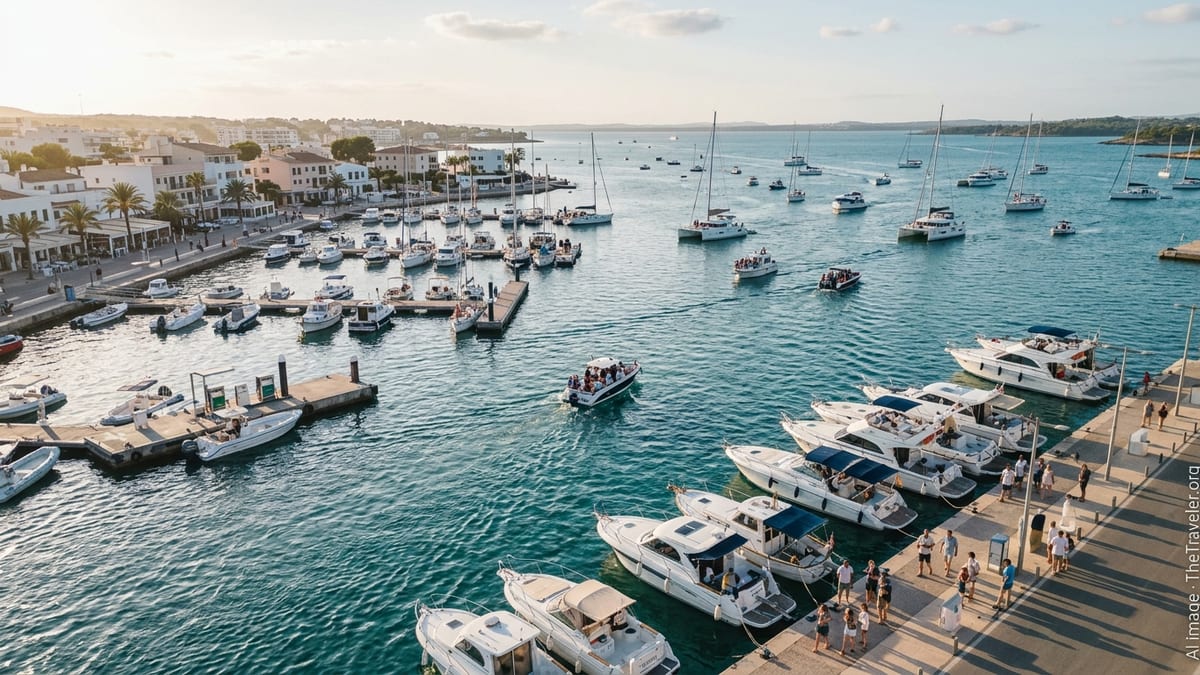
Experiential Tourism Steers a New Course for Boating
The expansion of experiential travel is reshaping how travelers think about time on the water. Industry reports indicate that travelers are increasingly shifting budgets from traditional sightseeing to “once-in-a-trip” activities such as private cruises, island-hopping charters and sunset sails. This reallocation of spend is lifting demand for short-term boat access in established coastal hubs and secondary waterfront cities alike.
Recent travel trend analyses for 2025 and 2026 describe experiential trips as one of the strongest drivers of global leisure growth, with consumers prioritizing memory-rich activities over material purchases or standard hotel upgrades. As international arrivals climb back above pre-pandemic levels, a larger share of visitors are building boat-based activities into their itineraries, from Mediterranean marinas to Southeast Asian archipelagos.
Market research on boat rental and yacht charter segments shows mid-single to low-double-digit compound annual growth rates through the end of the decade, supported by rising participation in recreational boating. The yacht charter market alone is projected to expand from the high single-digit billions of dollars in the early 2020s to well over 10 billion dollars by 2030, while broader rental categories including motorboats, pontoons and day cruisers add further scale.
Taken together, these converging streams of growth are pushing analysts to frame the combined value of boat rental and charter activity as nearing 27 billion dollars globally in the middle of this decade, especially as new coastal destinations, emerging markets and inland lake regions build out marina capacity and supporting tourism infrastructure.
Peer-to-Peer Platforms and Apps Unlock Demand
Digital platforms are central to the current wave of expansion. According to industry reports focused on the boat rental market, peer-to-peer boat sharing and app-based booking have significantly broadened access by connecting private owners and professional fleets with travelers in real time. Platforms modeled on home-sharing and ride-hailing services allow users to search, compare and reserve boats much as they would accommodation or flights.
Research on the sector notes that user bases for peer-to-peer boat services have grown rapidly since 2021, with some estimates citing double-digit annual increases. Providers highlight that a growing share of bookings now come from travelers who had never previously piloted or chartered a boat, suggesting that app interfaces, transparent pricing and reviews are reducing the psychological barrier to entry.
Market data compiled in 2025 and 2026 also points to new product categories developed specifically for remote and hybrid workers. One major platform reported strong weekday booking growth after introducing “work from yacht” offerings, which package onboard connectivity and quiet mooring locations as alternatives to traditional co-working spaces. These niche concepts have helped smooth demand outside of weekends and peak vacation periods, improving fleet utilization and revenue per vessel.
As mobile-native travelers expect all elements of a trip to be bookable from a phone, the integration of boat rentals into broader travel ecosystems is accelerating. Many operators are now visible within multi-service travel apps, allowing travelers to bundle a half-day boat outing with transportation, accommodation and dining reservations during trip planning.
New Destinations, Younger Demographics and Flexible Products
The geography of demand is also diversifying. A compilation of boat rental and tourism statistics published in early 2026 highlights strong growth across Mediterranean destinations, Gulf marinas, Indian Ocean resorts and lakeside regions in North America and Europe. Local data from markets such as the Balearic Islands, Dubai and the United Kingdom shows rental and charter revenue rising faster than broader tourism receipts, reflecting the appeal of water-based experiences among both international and domestic visitors.
Demographic shifts underpin much of this performance. Market intelligence suggests that millennials and Generation Z travelers are driving a disproportionate share of bookings on peer-to-peer platforms, often splitting costs among groups to access vessels that would otherwise be beyond individual budgets. The ability to rent for a few hours, a single day or a weekend, rather than committing to a full-week charter, aligns closely with shorter, more frequent trips and flexible work schedules.
Product design is adapting in response. Industry reports describe rapid growth in smaller boats and easy-to-operate day cruisers, along with skippered options that do not require licenses. Operators are also experimenting with themed experiences, from snorkeling safaris and wellness cruises to sunset music voyages, broadening the appeal beyond traditional yachting enthusiasts. This diversification is enabling destinations without deep-yachting histories to participate meaningfully in the sector.
With more coastal cities investing in marinas, passenger piers and integrated waterfront districts, the addressable market for rentals is expanding. Tourism bodies in several regions have identified boating as a way to disperse visitors away from crowded historic centers to nearby islands, coves and lesser-known coastal communities, spreading economic benefit while relieving pressure on urban cores.
Sustainability, Regulation and Technology Shape the Next Wave
As volumes grow, environmental and regulatory considerations are becoming more visible. Global leisure travel forecasts emphasize that travelers are paying closer attention to the sustainability profile of activities, and this scrutiny is extending to time on the water. Rental fleets are starting to incorporate electric propulsion, hybrid systems and more fuel-efficient hull designs, particularly in ecologically sensitive bays and lakes where emissions and noise are closely monitored.
Industry commentary notes that several destinations are tightening rules on anchoring, waste management and access to marine protected areas, which affects how rental operators plan routes and advise guests. While compliance adds complexity, it also creates differentiation for companies that promote low-impact itineraries, partner with conservation initiatives or steer guests toward lesser-visited areas with robust carrying capacity.
Technology is helping manage these pressures. Some platforms are piloting real-time guidance on weather, currents and restricted zones, delivered via in-app maps and onboard devices. Others are experimenting with variable pricing and route suggestions that nudge users toward less congested time slots and locations, smoothing environmental impact and enhancing the quality of the experience for travelers who increasingly value a sense of escape and exclusivity.
Analysts note that sustained growth will depend on balancing access with stewardship. Destinations that pair marina expansion with clear environmental standards, safety education and digital management tools are viewed as best positioned to capture long-term value from the surge in demand while protecting the coastal and lake environments that underpin the appeal of boating.
From Niche Leisure to Mainstream Travel Staple
Looking ahead to 2026, multiple market research houses project continued mid-single-digit or higher annual growth in boat rental revenues worldwide. When aggregated across bareboat and crewed charters, peer-to-peer rentals, commercial excursion boats and specialized products such as wellness or work-focused cruises, the sector’s value is set to edge toward 27 billion dollars, with scope for further expansion later in the decade.
Publicly available financial filings and tourism reports show that large leisure groups, marinas and hospitality investors are taking note. Capital is flowing into new fleets, upgraded docks, booking technology and cross-selling partnerships with hotels and resorts, solidifying boat rentals as a standard component of the travel product mix rather than a niche add-on.
For destinations, the rise of experiential boating presents both opportunity and responsibility. Short-duration rentals and customizable itineraries allow cities and coastal regions to connect visitors with local food, culture and nature in ways that are difficult to replicate on land, potentially lengthening stays and boosting per-trip spending. At the same time, planners are being pushed to integrate boating into broader strategies around shoreline resilience, public access and community benefit.
As travelers seek deeper connections with the places they visit, the ability to slip away from the shoreline for a few hours has shifted from aspirational luxury to increasingly mainstream expectation. That shift is at the heart of the experiential wave carrying the global boat rental market toward its next multi-billion-dollar milestone.