

More news on this day
Chile is entering 2026 as one of Latin America’s standout tourism success stories, with record international arrivals, new nature protections and upgraded visitor infrastructure drawing global attention to its vast deserts, glaciers and vibrant cities.
Get the latest news straight to your inbox!
A Tourism Surge Sets the Stage for 2026 Travel
Recent tourism data show Chile consolidating its position as one of the region’s fastest‑growing destinations. Industry summaries for 2024 and 2025 highlight a sharp rebound from the pandemic, with more than 5 million foreign visitors welcomed in 2024 and around 6 million international arrivals estimated for 2025. Publicly available information indicates that South American neighbors such as Argentina and Brazil still account for the bulk of visitors, but long‑haul markets from North America and Europe are expanding quickly as confidence in long‑distance travel returns.
Analyses from tourism consultancies and international organizations describe Chile as a case study in diversified demand. Domestic travel has remained strong, filling hotels and lodges during shoulder seasons, while cruise calls, adventure itineraries and nature‑focused tours have helped extend the high season at both ends. Forecasts looking toward 2026 suggest that growth is likely to continue, supported by targeted promotion of Chile’s signature experiences in astronomy, conservation, wine and outdoor sports.
The country’s protected areas system is central to this appeal. Official tourism channels point to a streamlined digital pass introduced for national parks and reserves, covering more than 60 state‑managed units across the length of the country. The system, based on advance online booking and QR access, was designed to spread demand more evenly, cap numbers on sensitive trails and give visitors predictable entry to headline destinations such as Torres del Paine, Conguillío and Lauca.
Chile’s ports are also entering 2026 with renewed expectations. Announcements from the cruise and port sectors indicate that the 2025–26 cruise season on the central Pacific coast will host a series of international ships, channeling thousands of passengers into gateway cities such as Valparaíso and San Antonio. Combined with new marine protections in the extreme south, this is sharpening Chile’s profile as a jumping‑off point for Patagonia and Antarctic itineraries.
Atacama and the Northern Highlands: Desert Adventure and Dark Skies
For many travelers, northern Chile remains the defining image of the country’s adventure offering. The Atacama Desert, promoted internationally as one of the driest places on Earth, combines salt flats, geyser fields, volcanoes and wind‑sculpted valleys that lend themselves to hiking, high‑altitude trekking and cycling. Tour operators based in San Pedro de Atacama continue to package outings that range from sunrise visits to geothermal basins and flamingo‑lined lagoons to full‑day ascents of stratovolcanoes on the Bolivian frontier.
Stargazing is another powerful draw. The exceptionally dry air, high elevation and low light pollution have turned northern Chile into a global capital of astronomy, with observatories scattered across the region. While leading scientific facilities remain closed to casual visitors or offer only limited access, a growing number of commercial stargazing outfits provide telescope sessions, astrophotography workshops and night‑sky interpretation in the desert outside San Pedro, Vicuña and other small towns. Travel coverage in recent seasons has emphasized these experiences as a counterpoint to daytime excursions, encouraging longer stays.
The broader highlands are also showcasing a blend of adventure and Indigenous culture. Reports from national and regional media describe how Aymara communities in the Tarapacá and Arica y Parinacota regions are developing tourism products that incorporate traditional agriculture, festivals and cooking techniques. One widely covered example has been solar‑powered cuisine in the oasis town of Pica, where restaurateurs use reflective parabolic ovens to prepare local dishes, framed by narratives about ancestral relationships with the sun and the desert environment.
Looking ahead through 2026, astronomical events may provide additional impetus for travel to the far south of the country. Scientific forecasts point to an annular solar eclipse in February 2026 that will be fully visible over Antarctica and partially observable from communities in the Magallanes region, including Punta Arenas and Puerto Williams. While most of continental Chile will see only a minor effect, tourism operators in the south are expected to incorporate the event into broader itineraries that link eclipse viewing with treks and navigations through fjords and channels.
Patagonia, Parks and a New Era of Conservation Travel
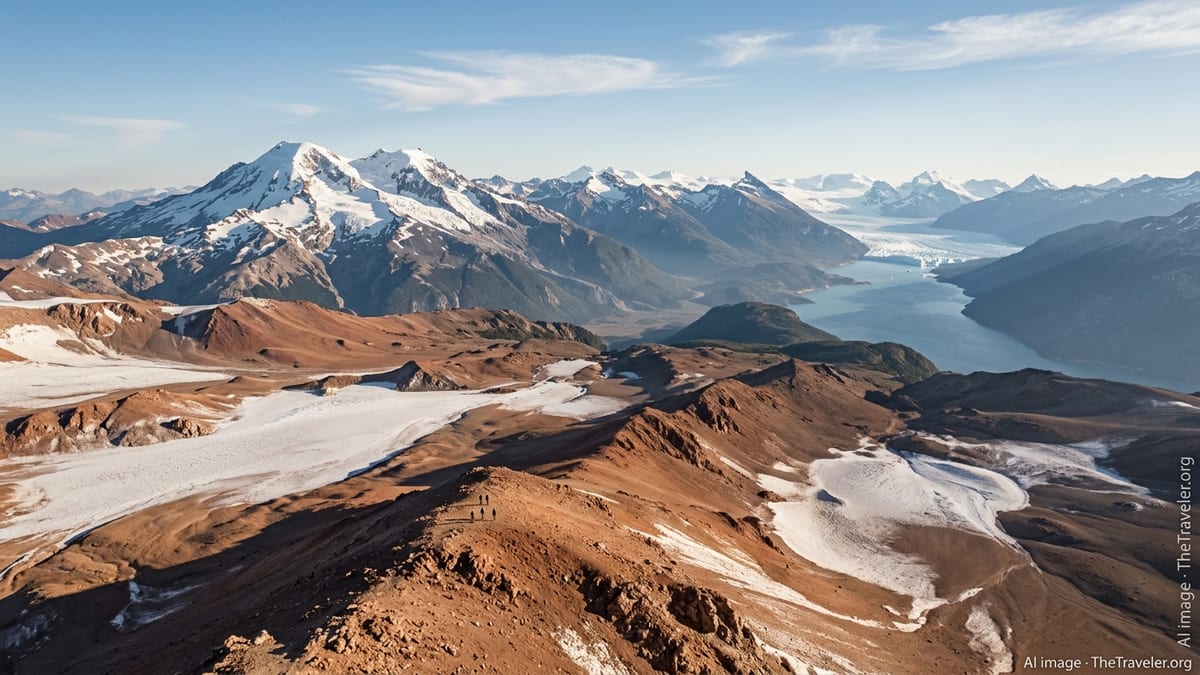
Patagonia remains Chile’s marquee wilderness destination, and recent developments are reinforcing its position on global bucket lists for 2026. Visitor reports and conservation organization briefings highlight ongoing work to improve trails and infrastructure in Torres del Paine National Park, the country’s most famous trekking area. Upgrades to the classic Base Torres route, along with continued maintenance on the W and O circuits, aim to reduce erosion, improve safety and shorten peak‑season bottlenecks on narrow sections of path.
Beyond Torres del Paine, the network of protected areas along the so‑called Route of Parks of Patagonia is gaining international attention. New and expanded national parks link forests, fjords, steppe and ice fields from Puerto Montt to Cape Horn, with lodges, refuges and small port towns serving as gateways for kayaking, long‑distance hiking and wildlife watching. Coverage from environmental and travel publications notes that these sites increasingly position themselves as climate and biodiversity refuges, attracting visitors who are as interested in conservation narratives as in scenery.
An example of this trend is the redesignation of the Diego Ramírez Islands and Drake Passage Marine Park as a national park, formalized in 2025. Located at the extreme southern tip of the Americas, near the entrance to the Drake Passage, the area protects seabird colonies, sub‑Antarctic ecosystems and storm‑lashed coastlines. While access remains limited and typically bundled into specialized expedition cruises, its upgraded status is frequently cited as evidence of Chile’s intention to balance tourism growth with marine protection.
Patagonia is also where climate realities are most visible to visitors. Glaciers in the Southern Patagonian Ice Field and in parks such as Bernardo O’Higgins and Laguna San Rafael are retreating, a shift documented by scientific studies and long‑term photography projects. In response, local guides and park interpretation centers increasingly weave climate science into their narratives, positioning trekking, ice hiking and boat tours not only as adventure activities but as opportunities to witness rapid environmental change.
Central Chile: Wine Valleys, Coastal Culture and Evolving Cities
Between the desert north and the Patagonian south, central Chile offers a different kind of adventure, one rooted in wine tourism, coastal landscapes and urban culture. The valleys surrounding Santiago have broadened their appeal beyond traditional cellar tours, with more vineyards marketing hiking and cycling routes among the vines, outdoor tastings and farm‑to‑table dining. Wine tourism analysts note growing interest from international visitors in low‑intervention wines and small producers, particularly in regions such as the Maule and Itata valleys, which are now appearing more frequently in global wine media.
Along the Pacific, cities including Valparaíso and Viña del Mar continue to draw attention for street art, historic funiculars and urban beaches. Publicly available municipal plans highlight investments in waterfront promenades, cultural centers and transport links that aim to make it easier for visitors to combine city walks with day trips to nearby fishing coves, surf breaks and rural vineyards. Coastal hikes along sections of the central shoreline, featuring rugged cliffs, dunes and pocket coves, are increasingly marketed as soft‑adventure add‑ons to traditional city stays.
Santiago itself is being promoted less as a quick transit hub and more as a base for multi‑day exploration. Urban tourism studies and commercial travel guides underline how the capital’s network of bike lanes, urban parks and revived neighborhoods supports a style of city break that mixes museum visits and markets with rooftop viewpoints and short hikes in the Andean foothills. Frequent bus and flight connections from Santiago facilitate onward trips to the Atacama, Lake District and Patagonia, reinforcing its role as the main entry point for international travelers.
Infrastructure projects in surrounding regions are expected to benefit tourism in the medium term. Transport reports describe new or upgraded road corridors and rail studies in southern central Chile designed to ease congestion and improve connectivity between coastal cities, inland towns and major highways. While many of these works primarily serve residents and freight, they are also likely to shorten transfers for visitors linking wine country itineraries with lakes, volcanoes and coastal nature reserves.
Cultural Highlights, Festivals and Responsible Travel Trends
Chile’s growing visibility on the global tourism map is not limited to landscapes. Cultural programming, gastronomy and festivals are central to how the country is being promoted for 2026. National branding campaigns spotlight the diversity of Indigenous traditions, contemporary art and music scenes, and an increasingly dynamic restaurant sector that ranges from seafood markets in coastal towns to tasting‑menu kitchens in Santiago and regional capitals.
Annual celebrations provide additional focal points for travel planning. Fiestas Patrias, the country’s September independence festivities, continue to generate significant internal movement, with traffic statistics documenting large numbers of vehicles leaving Santiago during the extended holiday period. Regional harvest festivals, wine events and cultural fairs in the central and southern zones are also being incorporated more systematically into international tour calendars, giving visitors structured opportunities to experience dance, music and local cuisine.
At the policy level, government strategies and international assessments underscore an emphasis on sustainable tourism and community participation. Chile’s tourism authorities and conservation agencies promote certified operators, visitor caps in sensitive sites and interpretation initiatives that highlight local stewardship of forests, deserts and coasts. Independent reports suggest that travelers are responding, with increased demand for small‑group trips, low‑impact trekking, citizen science experiences and stays in community‑run lodges.
As 2026 approaches, analysts describe Chile as well positioned to capture a growing segment of international travelers seeking meaningful experiences in nature without sacrificing comfort or cultural depth. From solar kitchens in the Atacama to new marine national parks off Cape Horn, the country’s blend of adventure, environmental protection and cultural renewal is likely to keep it firmly on the radar of global travelers planning their next long‑haul journey.