

More news on this day
Unusually intense late-season snowfall across Nepal’s eastern Himalaya is disrupting domestic flights, closing key trekking routes and prompting travel alerts that affect visitors from the United States, India, the United Kingdom and China at the height of the spring tourism season.
Get the latest news straight to your inbox!
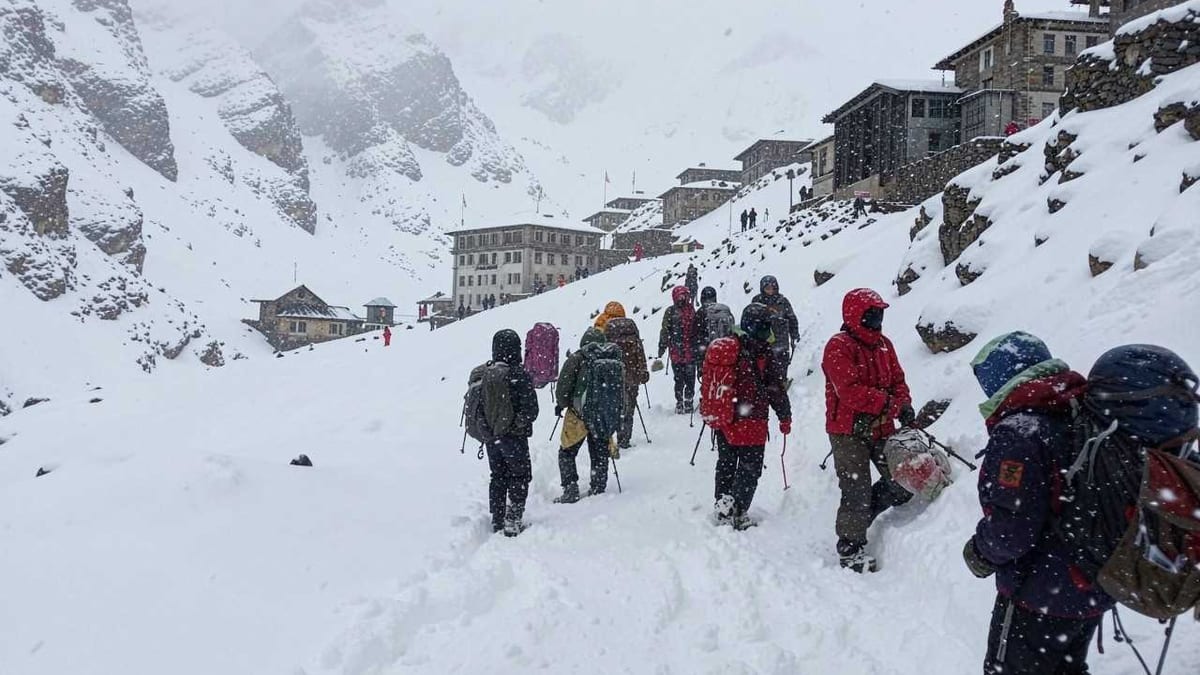
Image by Travel And Tour World
Air Links to Eastern Nepal Severely Disrupted
Recent heavy snow and low cloud over Nepal’s eastern Himalayan foothills have triggered a series of disruptions to short-haul flights that connect Kathmandu with remote hill airports. Publicly available flight tracking data and local media coverage indicate repeated cancellations and diversions on routes serving gateways to popular trekking areas, including airports near the Everest and Kanchenjunga regions.
Operators have reportedly faced rapidly changing visibility, snow accumulation on runways and intermittent closure of smaller airstrips, creating knock-on delays for connecting passengers from long haul hubs. While Kathmandu’s Tribhuvan International Airport has remained open, the difficulty in moving aircraft and crew in and out of eastern mountain airfields has reduced capacity into the region.
The timing is particularly sensitive, as late March and early April typically mark the start of Nepal’s busy spring trekking and climbing season. Travel industry updates show that some tour departures have been forced to adjust itineraries at short notice, routing clients overland instead of by air or shortening time spent at higher elevations.
International carriers serving Kathmandu from hubs in the Middle East and South Asia are monitoring conditions, according to airline advisories and schedule updates. No large scale suspension of long haul services has been reported, but travelers heading on to eastern Nepal are being urged by operators to build in extra time and check domestic flight status frequently.
Trekking Routes Impacted During Peak Season
The snow system has been most disruptive for trekkers already on the trails or preparing to enter the high country. Reports from trekking agencies and recent accounts shared on mountaineering forums describe fresh, deep snow on established routes in the eastern and central Himalaya, with drifts obscuring waymarks and increasing avalanche risk on exposed slopes.
Conditions are described as particularly challenging above the main villages and lodges, where trails traverse open hillsides and passes. In some sections, guides have chosen to halt groups at lower elevations or reroute to safer valleys until snow consolidates. Affected areas include approaches toward high passes and viewpoints that are normally considered accessible by experienced hikers at this time of year.
The snowfall comes after weeks in which regional outlooks from South Asian and Himalayan forecasters had highlighted increased winter precipitation in the broader Himalaya. The present spell has arrived just as many visitors from the USA, India, the UK and China were beginning itineraries designed around relatively stable spring weather and clear mountain views.
Trekking companies are updating clients with revised route plans where needed, often substituting lower elevation circuits and cultural sightseeing days in place of more ambitious summit or pass crossings. Travelers already on the ground are being advised to remain flexible and to prioritize safety over fixed itineraries.
Travel Advice for Visitors from USA, India, UK and China
As the situation evolves, publicly available travel advisories and industry bulletins emphasize preparation for disruption rather than wholesale cancellation of trips. For travelers originating in the United States, recent global winter weather events and airline guidance underline the importance of monitoring both international and domestic legs and being ready for rebookings if mountain flights are grounded.
Indian travelers, many of whom connect to Nepal via Delhi, Kolkata or other regional hubs, are being urged by airlines and online travel agencies to allow generous layover times and to reconfirm Kathmandu connections, particularly when onward tickets include same day transfers to eastern hill airports. Seasonal weather outlooks for northern India also suggest additional spells of rain and storms that may intersect with Nepal bound itineraries.
In the UK market, specialist adventure operators are circulating updates through newsletters and social channels, noting that insurance policies for trekking holidays typically require adherence to local safety advice in the event of severe weather. Prospective visitors are being encouraged to review policy wording for trip interruption and curtailment, and to maintain direct contact with their tour provider while conditions remain unsettled.
Travel platforms used heavily by Chinese tourists highlight similar messages of caution, with agencies recommending that clients keep copies of alternate route plans and be prepared for last minute changes to domestic schedules. Group tours that combine city sightseeing with short treks near the eastern Himalaya are most exposed to delays, but many itineraries remain operational with day by day adjustments.
Local Communities and Tourism Operators Under Strain
The snow has also placed additional strain on local communities and businesses that depend on the spring season for income. Lodges, guides and porters in eastern trekking hubs report lower than expected arrivals and irregular resupply due to road closures and flight cancellations. When aircraft are unable to operate, essential goods and fuel often move by slower and more expensive overland routes.
In previous winters, extended snow cover and storms have highlighted the vulnerability of high mountain settlements to supply interruptions. Recent commentary from regional planners and tourism associations points to the need for more resilient infrastructure, including better equipped road networks, improved weather observation in remote valleys and contingency planning for air services.
Tour operators based in Kathmandu and major Indian cities are reviewing how they structure itineraries to account for increasingly erratic weather. Some are introducing built in weather buffers, such as extra nights in gateway towns, and offering more flexible booking conditions during late winter and early spring. These measures aim to protect both travelers and local partners when sudden storms close air routes or make higher trails unsafe.
For many villages in the eastern Himalaya, however, the immediate concern remains the loss of valuable business at a time when guesthouses and guiding teams would usually be fully booked. If conditions stabilize in the coming days, there is still potential for a shortened but active season, though some departures may already have been postponed into later months.
Practical Steps for Travelers Monitoring the Situation
Prospective visitors are being encouraged by airlines, embassies and travel companies to pay close attention to weather forecasts issued by Nepal’s meteorological services and regional forecasting centers. These outlets provide daily updates on precipitation, wind and temperature patterns in the high Himalaya, helping trekkers and climbers evaluate whether their chosen routes are realistic in the short term.
Travel planners also recommend building flexibility into itineraries, including the option to spend additional time in Kathmandu or Pokhara if mountain flights are delayed. Booking changeable tickets for domestic legs, arranging comprehensive travel insurance and carrying extra days of contingency within the overall schedule can all reduce the impact of unexpected snow related disruption.
Visitors from the USA, India, the UK and China who have imminent departures are advised to maintain regular contact with their airlines and tour providers and to be prepared for revised trekking plans that favor lower altitude routes or cultural programs. While the extreme snow has complicated the start of the season in eastern Nepal’s Himalaya, many parts of the country remain accessible, and conditions can improve quickly once the current weather system moves through.
With climate and seasonal patterns in the Himalaya increasingly variable, industry observers expect such episodes of concentrated heavy snowfall to play a larger role in travel planning for years to come. The current disruption in eastern Nepal is being watched closely by tourism boards and operators across the region as they adapt to a more volatile high mountain environment.