

More news on this day
From record-smashing early spring heat and violent tornado outbreaks to late-season blizzards and a renewed polar chill, a volatile March pattern is putting much of the United States under simultaneous, conflicting weather threats that are already disrupting travel and daily life in major cities.
Get the latest news straight to your inbox!
Record Heat Bears Down on the Southwest and Southern Plains
Forecasts indicate that a strong heat dome building over the Southwest is set to push temperatures into triple digits in parts of Arizona, Nevada, Texas and New Mexico, an unusual development for mid-March. Publicly available outlooks from federal forecasters show several days of temperatures running well above seasonal norms, with some cities expected to challenge or exceed early spring records.
The heightened heat risk comes on the heels of a winter that has already delivered sharp warm spells across the South and interior West. Climate reporting from research groups highlights how persistent ridges of high pressure are increasingly linked to prolonged heat events that arrive earlier in the year, compounding stress on vulnerable populations and straining power systems as air-conditioning demand spikes.
Travel impacts are also emerging as airlines and highway managers contend with heat-related turbulence, low-level haze and an elevated risk of roadside breakdowns. For visitors heading to desert destinations popular in March, such as the greater Phoenix and Las Vegas areas, the unusual intensity of the heat is prompting renewed guidance to plan outdoor activities for early morning or evening and to pay close attention to park and trail advisories.
Longer term, climate assessments point to a clear upward trend in the frequency and severity of heat waves across the southern tier of the country. The current event adds another data point to a pattern in which early-season heat increasingly overlaps with traditional winter and spring travel periods, catching some travelers off guard.
Powerful Snowstorms Target the Northern Tier and Great Lakes
While the South bakes, the northern United States is facing a very different hazard. Recent forecasts and news coverage describe two potent storm systems tracking across the northern Plains and Great Lakes, with projections of heavy snow measured in feet for parts of Minnesota, Wisconsin and Michigan. Blizzard conditions, whiteouts and dangerous wind chills are expected to affect interstate corridors and key aviation hubs.
Airlines serving major airports such as Minneapolis–St. Paul, Chicago O’Hare and Detroit have begun issuing waivers and schedule adjustments as models converge on widespread snow, strong winds and the risk of runway icing. Intercity bus routes and long-haul trucking lanes through the region are also bracing for closures and delays as visibility drops and drifting snow makes travel treacherous.
The new round of storms follows a series of strong winter systems that impacted the Midwest and Northeast in February, including a historic blizzard that snarled travel from the mid-Atlantic to New England. Meteorological analyses note that sharp north–south temperature contrasts across the central U.S. are helping to energize these late-season snow events, even as areas just a few hundred miles to the south experience almost summerlike warmth.
For travelers, the setup underscores how quickly conditions can change along a single route. A drive or rail journey that begins in rain and mild temperatures can end in heavy snow and subfreezing wind chills, making flexible itineraries, extra time and close monitoring of local forecasts essential.
Tornado Season Arrives Early Across the Central U.S.
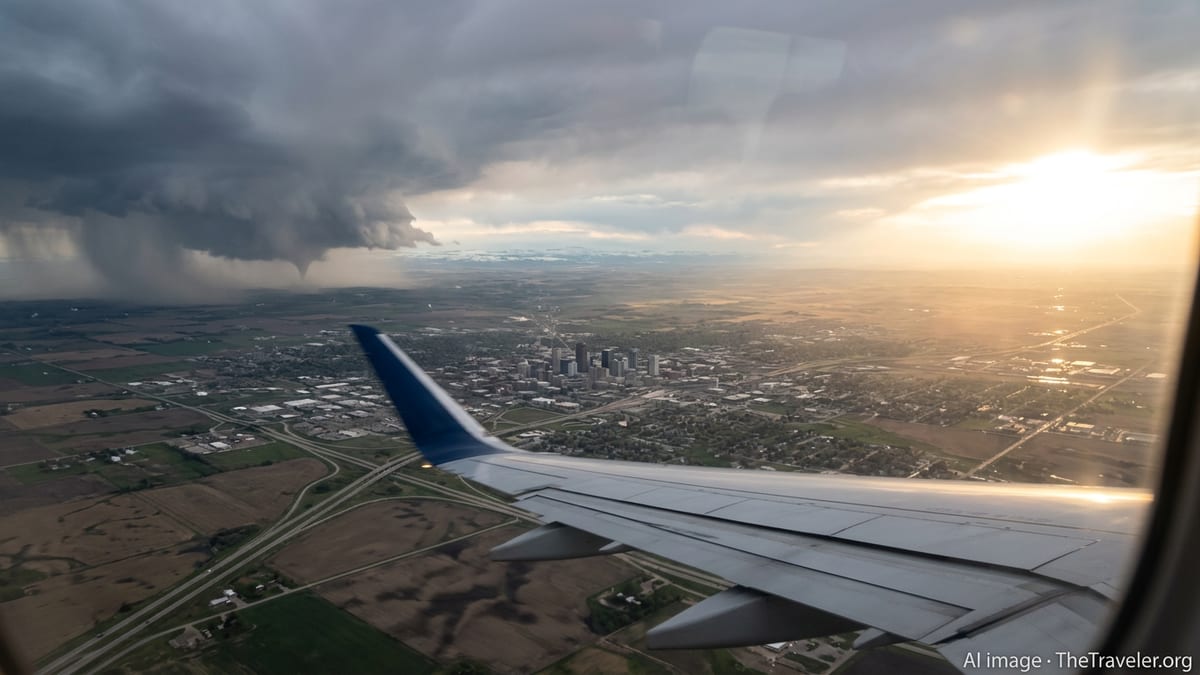
Along the volatile boundary between the desert heat and Arctic air, severe thunderstorms and tornadoes have already erupted from Texas through the Midwest. Satellite and radar analysis compiled by university and federal partners shows multiple days of severe weather in early March, with several tornado outbreaks causing damage in Oklahoma, Kansas, Illinois and neighboring states.
Reports from recent events describe strong tornadoes near urban areas and along busy highway corridors, along with giant hail and destructive straight-line winds. Millions of people across the central United States remain under risk areas highlighted in severe weather outlooks that extend through mid-March, as successive storm systems tap Gulf moisture and strong upper-level winds.
Climatological summaries indicate that March tornado activity has increased in recent years, particularly in the Southeast, lower Midwest and parts of the traditional Great Plains tornado belt. Researchers point to a combination of warmer, more humid air masses and shifting jet stream patterns that can favor earlier and more frequent severe weather setups before the peak of spring.
For domestic travelers and international visitors alike, the timing is challenging. Popular road trip routes through Texas Hill Country, the Ozarks and the lower Mississippi Valley coincide with the areas most frequently highlighted in current severe weather discussions, raising the importance of having multiple ways to receive warnings and knowing where to shelter in unfamiliar locations.
Major Cities Grapple With Weather Whiplash and Disruption
Major metropolitan areas are experiencing stark swings within hours as fronts move through. Publicly available observations from the mid-Atlantic show that Washington, D.C. hit record warmth near 86 degrees Fahrenheit one day this week before snow arrived the next. Similar “weather whiplash” has affected cities from Denver to St. Louis and New York, complicating everything from street maintenance to public transit operations.
In the Northeast corridor, rail and air networks are preparing for a fresh round of disruptions as snow, rain and strong winds pivot through densely populated regions. In the central states, cities such as Dallas–Fort Worth, Oklahoma City, Kansas City, Chicago and Indianapolis are monitoring both severe storm and winter weather scenarios depending on the exact track of each low-pressure system.
Urban infrastructure in many of these hubs is being tested by rapid freeze–thaw cycles, heavy precipitation and localized flooding. Climate summaries from recent years have documented an uptick in the number of days with intense rainfall rates, a trend that can overwhelm drainage systems and quickly flood underpasses, airport access roads and low-lying neighborhoods even outside of landfalling tropical systems.
For business and leisure travelers, this means that itineraries passing through one or more of the nation’s major hubs may be vulnerable to cascading delays. Airlines and rail operators increasingly encourage flexible booking options in late winter and early spring, when multi-hazard storms like the current one can simultaneously snarl operations in multiple regions.
Climate Context: A New Normal for Shoulder-Season Travel
Climate scientists and operational agencies have been documenting a steady rise in U.S. weather extremes over the past decade, with 2025 already standing out for record tornado counts in March and extensive flooding in several regions. Early assessments for 2026 suggest that the current combination of heat waves, late-season snowstorms and severe convective outbreaks fits into a broader pattern of amplified variability.
Research linked to El Niño–Southern Oscillation and warming ocean temperatures indicates that strong contrasts between air masses can fuel more powerful storm systems and longer-lasting ridges of high pressure. The present setup, with a deep trough across central and eastern states and a sprawling ridge over the interior West, aligns with scenarios described in recent academic and agency reports examining compound weather events.
For the travel sector, the implications are significant. Tour operators, airlines, cruise lines and destination marketing organizations are increasingly being urged by climate and risk specialists to factor in higher odds of disruption during what were once considered relatively stable shoulder seasons. March and April itineraries that once promised mild, predictable conditions now carry a greater chance of encountering extremes.
Travelers planning trips in the coming weeks are being encouraged by publicly available guidance to build more flexibility into schedules, consider travel insurance that covers weather-related interruptions and pay closer attention to local advisories as departure dates near. As the current multi-hazard pattern unfolds, it offers a stark real-time case study of how the evolving climate is reshaping expectations for early spring travel across the United States.