

More news on this day
San Francisco International Airport is bracing for a surge in flight delays after new Federal Aviation Administration landing restrictions, combined with a major runway construction project, sharply reduced the number of aircraft allowed to land each hour.
Get the latest news straight to your inbox!
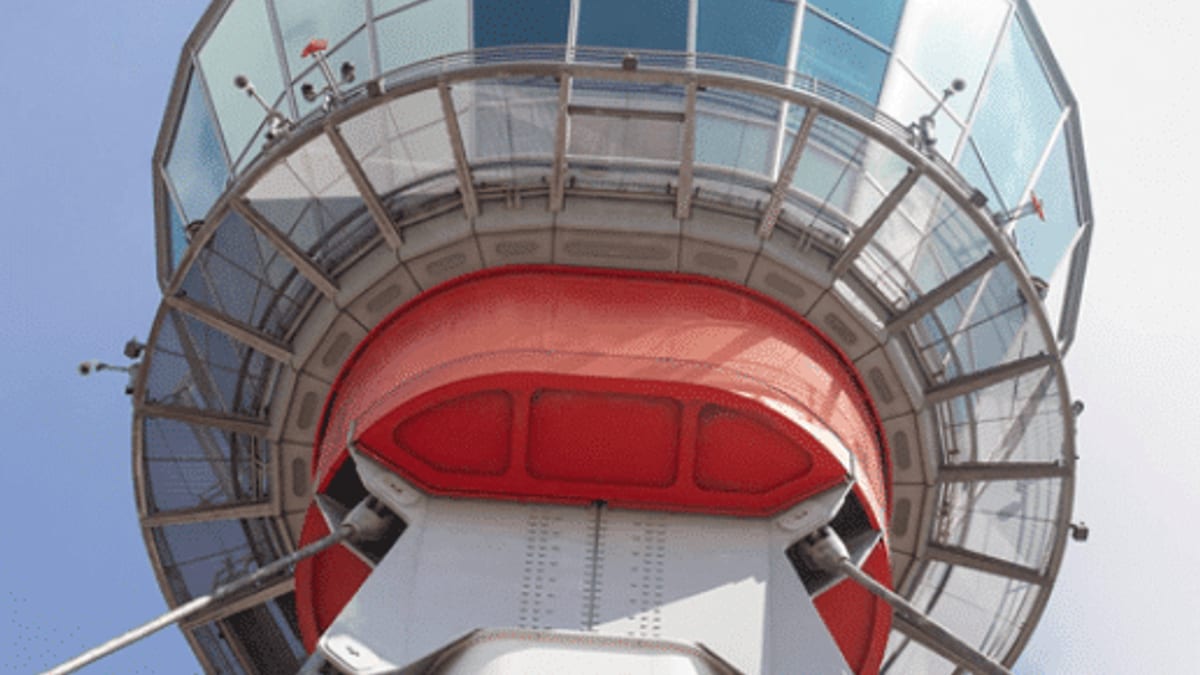
Image by travelmole.com
New safety rules cut San Francisco arrivals by one-third
Publicly available information shows that the FAA has reduced San Francisco International Airport’s maximum arrival rate from about 54 planes per hour to 36, a cut of roughly one-third. The change reflects a combination of temporary construction impacts and a new operational rule that limits how aircraft approach the airport’s closely spaced runways.
Reports indicate that the new restrictions focus on SFO’s long-standing practice of allowing side-by-side approaches on its parallel east–west runways. Those runways are separated by about 750 feet, which aviation observers note is narrower than at many other large U.S. hubs. The mix of dense traffic and complex surrounding airspace in the Bay Area has drawn renewed scrutiny following a series of high-profile runway and airspace incidents nationwide.
According to published coverage from national and local outlets, the FAA is now requiring staggered approaches instead of simultaneous side-by-side landings, even in clear weather. That change reduces the number of aircraft that can safely line up to land in a given period, directly lowering the airport’s arrival capacity and rippling across airline schedules.
While the arrival cap is framed as a safety-focused measure, the FAA has signaled that the new approach rules are not tied to a single recent incident and are unique to San Francisco’s runway geometry and regional airspace. Early indications suggest the restrictions could remain in effect even after current construction work concludes, leaving airlines to adjust schedules around a lower baseline of arrivals.
Runway repaving compounds congestion at peak hours
The timing of the FAA’s landing restrictions coincides with a substantial runway repaving project at SFO. Airport materials and local news coverage describe a six-month closure of the airport’s north–south runways for resurfacing, further limiting flexibility in how traffic is managed during busy periods.
With one set of runways out of service, more flights are funneled onto the remaining pair, which are already subject to the new approach limits. This combination reduces the number of arrival slots available during peak times, when transcontinental and international flights often converge on the airport.
Airport planning documents previously anticipated some disruption from the construction alone, with forecasts that around 10 to 15 percent of flights might face delays. Revised expectations now suggest a more pronounced impact as the FAA’s restrictions are layered on top of the runway closure, leaving less room for air traffic controllers to absorb minor schedule variations or weather-induced slowdowns.
Construction is expected to continue into early October, according to recent local reporting. Until those north–south runways return to service, SFO will operate with constrained infrastructure that magnifies the effect of each operational restriction and weather-related slowdown.
Delay risk climbs for arriving passengers nationwide
For travelers, the most immediate effect is an elevated risk of arrival delays into San Francisco, including for flights departing from other parts of the United States and overseas. Because the FAA controls the flow of traffic into SFO, flights may be held on the ground at their departure airports or slowed en route to fit into the reduced landing rate.
Airport representatives cited in regional coverage now expect about 25 percent of arriving flights to face delays of at least 30 minutes while the current restrictions and construction are in place. That represents a noticeable increase over prior projections for the runway project alone, and early traveler accounts already describe missed connections and extended waits at gates.
The impact may feel most acute during SFO’s traditional rush periods in the morning and evening, when banks of long-haul arrivals coincide with departures to other hubs. With fewer landing slots available each hour, minor disruptions can propagate quickly, resulting in longer airborne holding patterns or ground delays that cascade through airline networks.
Industry-focused outlets report that major carriers with large operations at SFO are reviewing schedules and adjusting aircraft and crew rotations to cope with the new constraints. Some flights may be retimed or consolidated in the coming weeks as airlines test how the tighter arrival cap performs during different weather and demand conditions.
Bay Area travelers weigh alternate routes and airports
The Bay Area’s interconnected aviation system is a key factor in how the new restrictions play out. San Francisco is one of three major commercial airports serving the region, alongside Oakland and San José, and several smaller facilities handle general aviation traffic. The complexity of this shared airspace was one reason the FAA singled out SFO for tighter landing procedures.
Travel industry coverage notes that some passengers and corporate travel planners are beginning to route trips through Oakland or San José when schedules allow, particularly for domestic routes with comparable options. Those airports are not subject to the same SFO-specific landing limitations, although they can still be affected by regional weather and broader air traffic control measures.
At the same time, airlines with significant SFO operations rely on the airport as a critical hub, meaning many long-haul and international services remain concentrated there. For those itineraries, travelers have fewer alternatives and are more exposed to the new pattern of delays and longer connection buffers now being built into schedules.
Local commentators suggest that if the restrictions prove long-lasting, the changes could subtly reshape how airlines allocate capacity across Bay Area airports, with some growth shifting toward less constrained fields. For now, however, SFO remains the dominant gateway, and the immediate challenge is managing a busy summer travel season under tighter federal limits on landings.
Outlook: Short-term disruption, uncertain long-term capacity
Looking ahead, the interaction between safety priorities and airport capacity at SFO remains an open question. Aviation analysts observing the situation point out that the FAA routinely adjusts procedures in response to evolving risk assessments and traffic patterns, but it can take years to refine new rules or develop infrastructure changes that restore lost capacity.
Publicly available information indicates that the agency is exploring options to safely increase the arrival rate in the future, potentially through revised approach procedures, new navigation technology, or further adjustments to how parallel runways are used. Any such changes would require extensive testing and coordination with airlines and airport operators.
For now, the combination of landing restrictions and runway construction means travelers passing through San Francisco should be prepared for a period of less predictable operations. Travel advisors and airline guidance increasingly recommend allowing extra time for connections, monitoring flight status closely, and considering early-day departures when possible.
As the repaving project progresses and the industry gathers more data on how the new arrival limits function in different conditions, expectations for SFO’s long-term capacity may sharpen. Until then, the airport stands as a prominent example of how safety-driven regulatory changes can quickly translate into visible impacts for passengers across the aviation system.