

More news on this day
Travelers flying through San Francisco International Airport in the coming months are being warned to brace for longer waits, as federal regulators sharply reduce the number of planes allowed to land each hour while a key runway is rebuilt.
Get the latest news straight to your inbox!
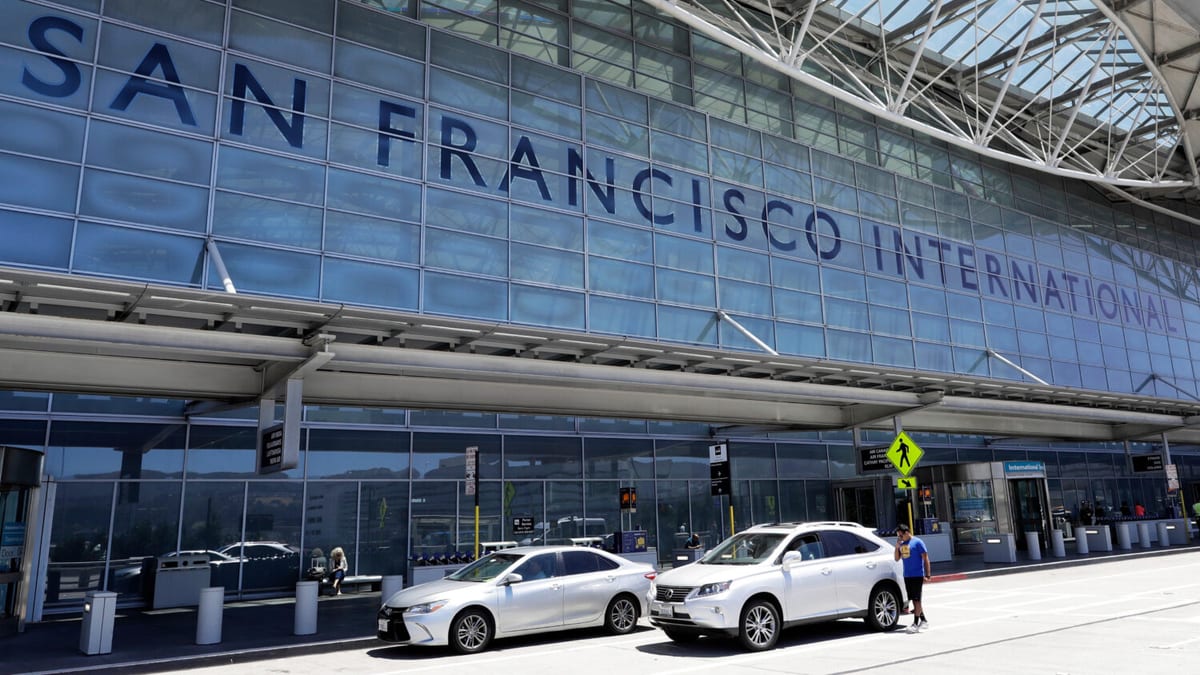
Image by MyNorthwest.com
New FAA Limits Cut SFO Arrivals by One Third
Publicly available information shows that the Federal Aviation Administration has lowered San Francisco International Airport’s maximum arrival rate from about 54 flights an hour to roughly 36, a cut of one third. The change took effect this week and is expected to ripple through airline schedules just as the busy spring and summer travel periods get underway.
According to coverage from national and Bay Area outlets, the reduced arrival cap combines a temporary construction constraint with a permanent change in how aircraft are sequenced into the airport. On their own, each step would have trimmed capacity, but together they significantly tighten the number of planes that can land at SFO in any given hour.
Reports indicate that airlines are now reviewing schedules to determine whether to thin out frequencies, retime flights or accept a higher risk of delays. Major carriers that rely on SFO as a hub are expected to shoulder much of the impact, though the new limits apply across the board to all operators using the airport.
The change places San Francisco among a short list of U.S. airports where the FAA has formally constrained flight volumes in response to a mix of safety, construction and congestion pressures. For travelers, it raises the likelihood of rolling disruptions during peak periods rather than isolated bad days tied only to weather.
Runway Construction Narrows Operations for Six Months
The new arrival limits come as SFO undertakes a six month repaving project on one of its main north south runways. Airport information and local broadcast reports describe the work as a full closure, forcing all traffic onto the remaining pair of longer east west runways that face San Francisco Bay.
Earlier projections from the airport suggested that construction alone would delay a relatively modest share of flights. More recent statements reported by local media now anticipate a larger effect once the FAA safety measures are layered on top of the closure. The runway under construction is scheduled to reopen in early October, which could ease some of the constraints but will not reverse the new federal arrival rules.
During the project, SFO is consolidating all arrivals and departures on runways 28 Left and 28 Right. That configuration is familiar to pilots and controllers, but with one less runway available, there is less margin to absorb surges in traffic or recover quickly from weather related slowdowns.
Bay Area residents can expect the new pattern to hold through the summer and into early autumn, with periods of more intense use of the primary runways. Aviation observers note that SFO’s compact layout, nearby terrain and proximity to other regional airports leave limited room to reconfigure operations while the work continues.
Safety Concerns Over Closely Spaced Parallel Runways
At the heart of the FAA’s move is a long running debate over the safety of simultaneous approaches to SFO’s closely spaced parallel runways. Published analyses describe the airport’s main east west runways as only about 750 feet apart, far tighter than the spacing at many other major hubs.
According to coverage in aviation and general news outlets, the updated rules effectively prohibit side by side visual approaches in clear weather that had allowed two jets to land nearly simultaneously on the parallel surfaces. Federal guidance now prioritizes added separation and sequencing between arrivals, reducing the risk of conflicts in SFO’s congested airspace but sacrificing some throughput.
Reports note that the change comes amid heightened attention to runway safety across the United States, following several serious incidents involving near collisions and ground accidents. While the FAA has indicated in public materials that the SFO rule is tailored to the airport’s unique geometry and traffic complexity, it aligns with a wider trend toward more conservative spacing standards in dense terminal areas.
Aviation specialists point out that SFO’s approach paths cross busy routes used by other Bay Area airports, and that the margin for error during visual approaches has been a longstanding concern. The new arrival rate is intended to keep operations within comfortable safety buffers even during heavy demand, though it reduces the airport’s ability to recover quickly after interruptions.
What Travelers Can Expect in the Months Ahead
For passengers, the most visible effect is likely to be an increase in arrival delays, particularly at peak times in the morning and evening. Local television reports citing airport estimates indicate that roughly a quarter of inbound flights could face waits of 30 minutes or more while the new measures are in place.
Travel industry coverage suggests that airlines may respond by building more padding into schedules, combining lightly booked flights, or shifting some services to nearby airports such as Oakland and San Jose. Those adjustments could blunt the worst of the disruption but may also mean fewer nonstop options and more crowded planes on popular routes.
Travelers connecting at SFO may be especially exposed to missed connections when inbound flights stack up holding or depart late from origin cities because of the constrained arrival slots. Consumer advocates are already advising passengers to allow longer layovers, book earlier flights in the day when possible, and monitor itineraries closely for last minute changes.
Airport communications referenced in news reports stress that SFO and the FAA are working together with airlines to improve the arrival rate where possible, using technology and revised procedures. Nonetheless, most forecasts point to a choppy six month period until the closed runway returns to service and the system can settle into a new normal under the permanent arrival cap.
Implications for SFO’s Role as a West Coast Hub
The new restrictions also raise strategic questions about SFO’s long term position in the West Coast air network. With a reduced maximum arrival rate and complex airspace, analysts quoted in aviation media suggest that some carriers may reconsider growth plans at the airport or look more aggressively to neighboring hubs.
San Francisco has historically relied on efficient use of its parallel runways to sustain high levels of international and transcontinental service in a tight footprint. The shift to more conservative arrival spacing could limit the number of additional flights airlines are willing to schedule during peak waves, nudging some long haul or connecting traffic elsewhere.
Regional tourism and business groups will be watching closely to see how the changes affect visitor volumes and corporate travel. If delays remain manageable and airlines keep most of their existing service, the impact may be modest. If congestion worsens or schedules are significantly pared back, the region could face tougher competition from other West Coast gateways for lucrative routes and conferences.
For now, the message for travelers is straightforward: SFO remains open and busy, but its runway system is operating under tighter constraints than in recent years. Until construction is finished and the industry adapts to the new rules, anyone flying into the Bay Area through San Francisco should be prepared for a higher chance of schedule disruptions and plan accordingly.