

More news on this day
San Francisco International Airport is bracing for a sharp increase in flight delays after new Federal Aviation Administration restrictions significantly reduced the number of planes allowed to land each hour at one of the nation’s busiest hubs.
Get the latest news straight to your inbox!
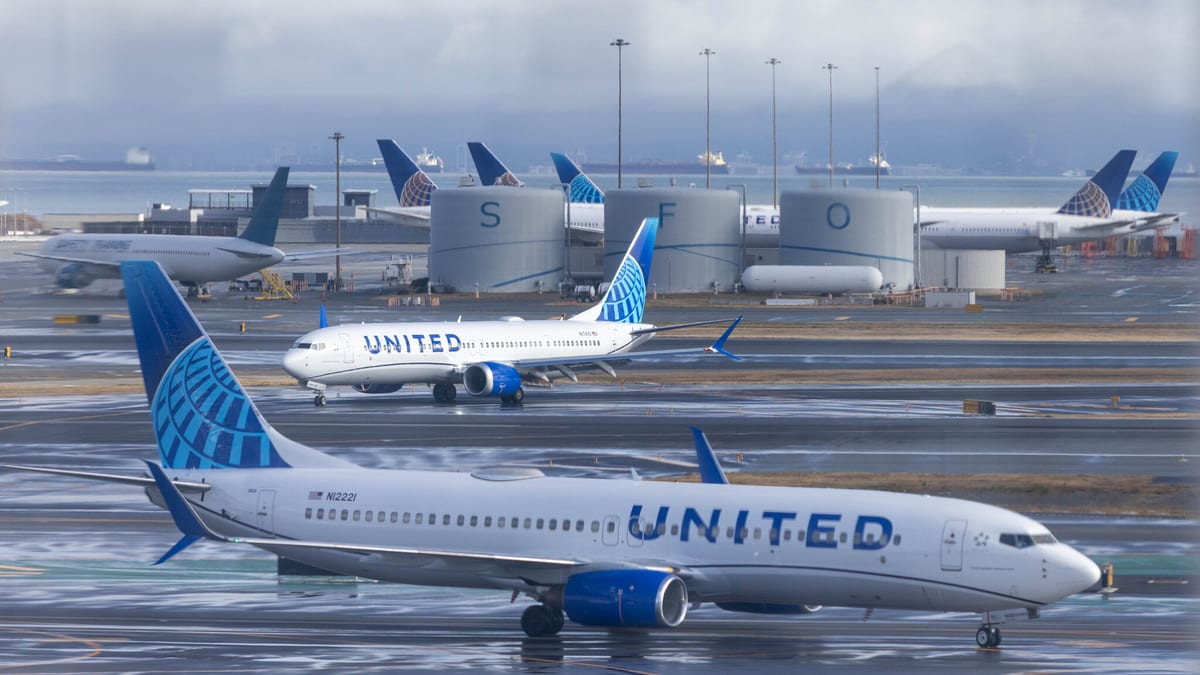
Image by SFGATE
New Safety Rules Slash SFO’s Arrival Rate
According to recently published federal documents and news reports, the Federal Aviation Administration has imposed new limits on simultaneous landings at San Francisco International Airport, cutting the airport’s maximum arrival rate from about 54 flights per hour to 36. The move effectively slashes landing capacity by roughly a third and is expected to push delays sharply higher during peak travel times.
The change coincides with a six month runway repaving project on the airfield that is already consolidating traffic onto SFO’s primary 28 Left and 28 Right runways. One of the intersecting runways is being taken out of service for construction and repurposed as a taxiway, which reduces options for sequencing arrivals and departures and tightens the overall flow of aircraft.
Published coverage indicates that the FAA restrictions go beyond the construction window, with regulators moving to curb some forms of parallel landings on a more permanent basis in the name of safety. In practical terms, that means SFO will be operating with a lower structural arrival ceiling even after construction work finishes, locking in tighter hourly limits for airlines and travelers.
Federal rules already require SFO to fall back to single runway arrivals in low visibility, reducing acceptance rates to between roughly 25 and 30 flights per hour. The new measures further constrain operations in good weather, narrowing the gap between SFO’s best case and worst case capacity and removing some of the flexibility that airlines have relied on to absorb surges in traffic.
Delay Impact: From Forecast Annoyance to Systemic Headache
Airport planning materials and airline communications reviewed over recent months initially suggested that SFO’s runway project alone would trigger delays for about 10 to 15 percent of flights, with most disruptions clustered around morning and evening peaks. With the FAA’s new arrival caps layered on top, projections now point to roughly one quarter of arriving flights facing delays of at least 30 minutes on busy days, nearly doubling the original expectations.
Travel data compiled in late March already shows signs of strain. Industry trackers reported dozens of delayed flights and a growing number of cancellations tied to San Francisco, affecting major carriers with large operations at the airport. Because SFO acts as a key West Coast gateway, disruption on the Peninsula has quickly rippled across routes touching Los Angeles, Seattle, Denver, New York and other hubs.
The mechanics of the delay pattern are straightforward. When demand for arrivals is scheduled at or near 54 per hour but the FAA caps the rate at 36, air traffic managers must meter inbound flights, holding aircraft on the ground at origin airports or placing them in airborne queues. Those ground delay programs and in flight holding patterns then cascade into missed connections, crew timing problems and equipment imbalances downline.
Even modest weather changes can magnify the effect. SFO is known for marine layer fog and shifting winds that already force the FAA to trim arrival rates during certain parts of the day. With the new, lower ceiling on parallel arrivals, the system has less resilience to absorb weather driven slowdowns, making it more likely that routine morning or evening banks will push the airport beyond its new capacity limit.
Airlines Rework Schedules and Network Plans
Publicly available scheduling data and airline filings show carriers recalibrating their San Francisco operations in response to the tighter FAA constraints. Some airlines had already been trimming SFO schedules heading into the busy summer period, shifting aircraft to other West Coast hubs or dialing back marginal routes to create more slack in their networks.
Industry analysts note that SFO has been in the middle of a longer term reshaping since the pandemic, with some international routes yet to return and domestic capacity redistributed toward secondary airports in the region. The new FAA limits on arrivals increase the pressure on airlines to concentrate activity into fewer, higher yielding flights and to make more conservative assumptions about turnaround times.
At the same time, the new rules complicate efforts to rebuild connectivity through San Francisco. Airlines that rely on tight connection banks may have to spread flights more evenly throughout the day to stay within the 36 arrivals per hour ceiling, which could dilute the convenience of short layovers but improve on time performance for passengers who do travel.
Carriers are also likely to lean more heavily on schedule padding to protect on time statistics, baking longer block times into published timetables to better reflect the likelihood of metering on arrival. While this can make flights appear slower on paper, it may allow more travelers to arrive closer to their advertised time even as the underlying air traffic system absorbs greater delays.
Travelers Face a New Normal at a Critical West Coast Hub
For passengers, the most visible changes will come at the gate and on the departure board. With SFO’s arrival rate throttled, travelers can expect more frequent notifications of air traffic control delays, particularly during the mid morning and late evening peaks when transcontinental and international flights converge with short haul West Coast services.
According to operational primers published by SFO, the airport’s arrival rate traditionally did not hit its bad weather acceptance limit until after 9 a.m. local time. Under the new regime, the reduced maximum arrival rate narrows that cushion, raising the odds that routine schedule peaks will push the airport into formal flow control earlier and more often, even when skies appear clear.
Travel planners are already advising passengers with tightly timed connections through San Francisco to build in extra buffer time or to consider alternative routings during the height of the construction and restriction period. Those recommendations reflect a wider reality across the U.S. air travel system, where strained staffing, infrastructure work and new safety initiatives are converging to limit capacity at major hubs.
For the millions of travelers who rely on SFO each year, the FAA’s new arrival caps mark a significant shift in how the airport operates. Instead of temporary, weather driven slowdowns, the hub is entering a period in which structurally lower landing limits are expected to be a standing feature of the schedule, reshaping both airline strategies and passenger expectations well beyond the current construction season.
Safety Concerns Drive a Broader National Trend
The tougher limits at San Francisco fit into a wider national reevaluation of runway and airspace safety. A recent federal report on runway risk highlighted more than one hundred U.S. airports where close calls and incursion hazards prompted calls for tighter operating margins, improved surveillance technology and more conservative procedures.
In parallel, the FAA has been extending or introducing capacity caps at other pressure point airports such as Newark, citing chronic congestion, construction projects and the need to maintain safety margins while controller staffing and technology upgrades catch up to demand. In each case, the trade off has involved accepting more delays in the near term to reduce the risk of serious incidents on or near the runway.
San Francisco’s combination of intersecting runways, challenging coastal weather and dense schedule banks has long placed it high on the list of complex airports watched closely by regulators. The newly reduced arrival rate underscores how that scrutiny is translating into concrete limits that airlines and travelers must now navigate on a daily basis, even as longer term modernization efforts aim to restore some of the lost capacity in a safer, more controlled way.