

More news on this day
San Francisco International Airport is bracing for months of schedule disruptions after the Federal Aviation Administration moved to cut roughly one third of hourly arrivals, combining a major runway repaving project with new restrictions on closely spaced landings that highlight renewed scrutiny of runway safety nationwide.
Get the latest news straight to your inbox!
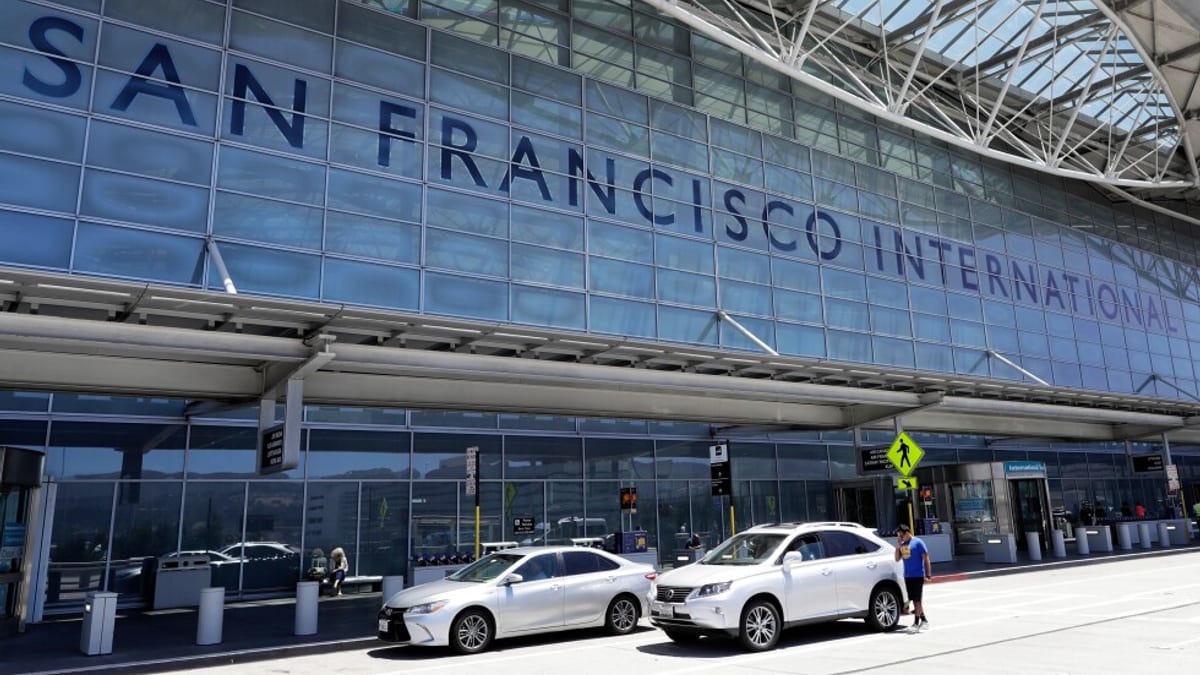
Image by AP News
Arrival Cap Slashed as Parallel Landings Come Under Review
Publicly available information indicates that the FAA has reduced San Francisco International Airport’s peak arrival rate from about 54 flights per hour to 36, a drop of roughly 33 percent. The change is tied both to an ongoing runway repaving project and a permanent change in how aircraft are allowed to approach the airport’s closely spaced parallel runways.
According to published coverage, the new order limits the long standing practice of side by side approaches to the airport’s east west runways in clear weather. Instead, arriving flights must now use staggered approaches that preserve greater spacing between aircraft, effectively reducing how many planes can land in a given hour even when skies are clear.
Reports describe the new arrival cap as a structural shift for one of the country’s busiest West Coast gateways. While San Francisco has long relied on simultaneous visual approaches to keep traffic flowing during good weather, the FAA’s revised approach reflects a growing emphasis on risk reduction at airports where runways sit unusually close together.
Airport planning documents and historical operations data show that San Francisco’s runways were designed to maximize capacity within a tight geographic footprint along the edge of San Francisco Bay. That geometry, which has created the airport’s signature twin landings visible from passing aircraft and nearby highways, is now central to the federal reassessment of acceptable separation standards.
Runway Repaving Project Adds Months of Operational Strain
The new operating limits arrive just as a six month repaving project closes one of San Francisco’s main north south runways. Airport advisories indicate that the work began in late March and is scheduled to continue until early October, concentrating nearly all arrivals and departures onto the primary east west pair.
Local broadcast reports note that the runway renewal was already expected to slow operations, with airport projections earlier this year suggesting a smaller share of delays during peak periods. The FAA’s additional arrival restrictions now represent a second constraint layered on top of the construction timeline.
During the project, traffic will be funneled through runways 28 Left and 28 Right, which typically handle the bulk of long haul departures and many arrivals. With the parallel visual approach option curtailed, air traffic managers must sequence flights more conservatively, especially during the late morning and evening rush when demand historically peaks.
Industry analysts point out that combining major airfield works with tighter separation rules at the height of the summer travel build up is likely to magnify knock on effects well beyond the Bay Area. When acceptance rates at a large hub fall, flight schedules across airline networks can ripple as aircraft and crews arrive late to subsequent legs.
Safety Spotlight Intensifies After High Profile Runway Incidents
The San Francisco changes come amid heightened concern over runway operations across the United States. Recent coverage of a deadly collision at New York’s LaGuardia Airport in March, involving an Air Canada jet and a fire truck, has amplified public attention on ground and approach hazards at busy fields.
Separate reporting on a recent Federal Aviation Administration review of runway “hot spots” notes that more than 150 airports nationwide have been flagged for elevated risk areas, including complex intersections, short turnoffs, or non standard traffic flows. San Francisco appears on that list, reflecting the combination of dense traffic, intersecting flight paths, and constrained geography around the airport.
While the FAA’s statements on the San Francisco order emphasize that the decision is tailored to the airport’s unique layout and traffic environment, the move aligns with a broader effort to lower the probability of rare but severe runway events. Aviation safety specialists interviewed by major outlets in recent months have highlighted closely spaced parallel approaches as a particular focus, given the potential for misjudgment during periods of high workload or changing weather.
Weather sensitivity adds another layer of complexity in the Bay Area. Meteorological analyses show that low coastal clouds and fog regularly push San Francisco into reduced visibility conditions, periods when even traditional simultaneous visual approaches are not permitted and arrival rates are already constrained. The new rules effectively keep arrival capacity lower even when conditions are better, trading throughput for additional margin.
What Travelers Can Expect in the Months Ahead
Airport communications suggest that about a quarter of arriving flights could face delays of 30 minutes or more during the construction and reduced arrival rate period, particularly at peak travel times. Airlines are still analyzing schedules, according to media reports, and it remains unclear whether carriers will trim flights, retime departures, or rely primarily on day of operational adjustments.
Travel industry observers anticipate that the most visible impact for passengers will be longer holding patterns before landing, schedule blocks padded to account for expected congestion, and a higher risk of missed connections during busy hours. Because San Francisco is a major connecting point for transpacific and cross country routes, even small timing shifts can cascade through itineraries.
Published airline statements indicate that major carriers are reviewing their operations into San Francisco but have so far provided limited detail on potential schedule cuts. Some analysts expect that regional feeder flights could be among the first candidates for consolidation if arrival slots remain tight, while long haul services may be protected to preserve international connectivity.
Travel planners are already advising clients with tight connections through San Francisco over the spring and summer to consider longer layovers or alternative routings through other West Coast hubs. With the FAA indicating that the parallel approach restrictions will remain in place beyond the completion of the repaving work, passengers and airlines alike may need to treat the lower arrival rate as the new normal.
Implications for Bay Area Air Travel and Competing Airports
The cut in San Francisco’s arrival capacity is expected to reverberate across the wider Bay Area aviation market. Industry commentary suggests that Oakland International and San José Mineta International could see opportunities to attract additional service or new routes as airlines look for ways to maintain capacity in the region.
Regional planners have long viewed the three major Bay Area airports as a system, with San Francisco functioning as the primary long haul and international hub while Oakland and San José handle a larger share of domestic and low cost traffic. A sustained reduction in arrival rates at San Francisco could accelerate that division of roles, especially if carriers shift point to point flying to the secondary airports.
Airport community forums and local government discussions are also likely to focus on noise and environmental impacts as more flights potentially divert to different approach paths or operate at later hours. Some residents have already raised concerns in public meetings about the prospect of extended operating days if airlines attempt to compensate for lower hourly capacity by spreading flights into shoulder periods.
For now, publicly available schedules show airlines keeping a significant presence at San Francisco, reflecting the airport’s status as a critical gateway for transpacific business and leisure travel. Yet with the FAA’s new restrictions reshaping how many planes can land and when, the coming months may serve as an early test of how Bay Area air travel adapts to a more constrained SFO.