

More news on this day
San Francisco International Airport is bracing for months of longer delays after the Federal Aviation Administration sharply reduced the number of hourly arrivals, combining a major runway repaving project with new safety-driven limits on closely spaced parallel landings.
Get the latest news straight to your inbox!
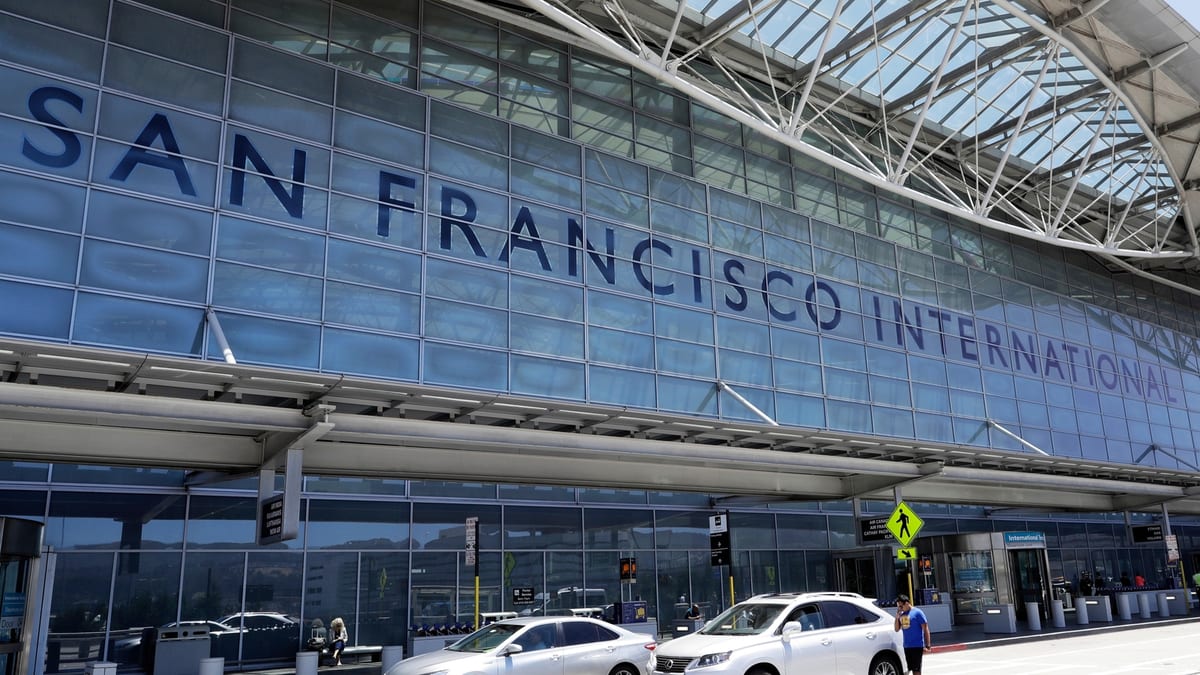
Image by Orange County Register
Arrival capacity cut from 54 to 36 flights an hour
Published coverage indicates that the FAA has lowered San Francisco International Airport’s maximum arrival rate from about 54 flights an hour to roughly 36, a reduction of one third. The change took effect this week as the busy hub entered a six month construction period on one of its primary runways.
Reports from outlets including the Associated Press, Fox Business and Bay Area television stations describe a two part change. A temporary runway closure for repaving has removed some capacity, while a separate FAA safety measure limits how aircraft can approach SFO’s closely spaced parallel east west runways during good weather.
The combined effect is a sustained cut in how many arrivals the airport can accept in peak periods. Aviation focused publications note that SFO has long relied on high volume arrival streams to handle dense schedules, making any reduction in the hourly rate quickly visible in passenger wait times and gate availability.
The new arrival cap comes as national regulators continue to reassess traffic levels at several high demand U.S. airports where construction, congestion and safety concerns overlap. SFO now joins other major hubs that have seen formal constraints on flight levels to manage delay risk.
Runway repaving takes key north south pair out of service
According to local Bay Area travel coverage, the immediate trigger for operational changes is a six month repaving and upgrade project on one of SFO’s north south runways, scheduled to run through early October 2026. That work removes a critical piece of the airport’s runway system during the busy spring and summer travel seasons.
Airport materials describe the project as a full scale rehabilitation to extend pavement life and improve safety margins for heavier modern aircraft. Construction plans call for the affected runway to be closed for both arrivals and departures, with some nearby pavement used as a taxiway to ease ground congestion.
During the closure, all arrivals and departures are being funneled primarily onto the 28 Left and 28 Right runways that face San Francisco Bay. That configuration is familiar in typical west plan operations but usually benefits from the added flexibility of the north south pair when all four runways are available.
Previous SFO runway projects have produced noticeable delays, but early forecasts for this round suggested a relatively modest impact. Airport planning documents initially anticipated less than 10 percent of flights would be delayed, usually under 30 minutes, before the latest FAA safety restrictions were layered on top.
New limits on parallel landings heighten safety margin
The sharper reduction in capacity stems from a safety focused change to how airplanes are allowed to approach SFO’s closely spaced parallel runways. Aviation reports state that the FAA has ended side by side visual approaches in clear weather that depended on pilots maintaining visual contact with traffic on the adjacent runway.
Under the new regime, arrivals to the two east west runways must be staggered or offset rather than flown in tight visual formation. The FAA has characterized these steps in public information as temporary safety measures tied to construction and as part of a broader emphasis on reducing runway and approach risks at complex airports.
SFO’s parallel runways are separated by about 750 feet, a layout that has long drawn attention from safety analysts. Industry publications note that the configuration allows impressive arrival throughput in ideal conditions but leaves less room for error when traffic is heavy or when other mitigating factors are present.
Recent national discussions around runway incursions and airspace conflicts, including high profile incidents at other U.S. airports, have placed additional scrutiny on procedures that depend heavily on pilot visual separation. Analysts suggest that the SFO changes reflect a trend toward more conservative spacing and standardized instrument based approaches at major hubs.
Up to a quarter of arrivals may face 30 minute delays
Local television coverage citing airport communications indicates that SFO now expects about 25 percent of arriving flights to face delays of 30 minutes or more during the construction period. That is a significant increase from earlier projections made before the FAA arrival rate cut was finalized.
United Airlines, the largest carrier at SFO, is reported to be reviewing schedules to determine whether adjustments or targeted cancellations are needed to keep operations manageable. Alaska Airlines, the second largest operator, has described the situation in public comments as fluid, with delay levels varying day by day as the new regime settles in.
Travel analysts point out that the reduction in arrival slots does not automatically translate into flight cancellations, but it does leave airlines with less flexibility to absorb routine disruptions from weather or minor technical issues. When schedules are tightly packed, even short ground holds can cascade into missed connections and crew timing challenges.
SFO has already warned that the most acute impacts are likely to occur during traditional peak periods in the mid morning and evening. Passengers connecting through San Francisco, especially on transcontinental and transpacific routes that cluster at those times, may see longer buffers built into itineraries or experience more frequent gate and departure time changes.
What travelers can expect in the coming months
For passengers, the operational shift means planning for extra time on any itinerary that touches San Francisco International Airport between now and early October. Travel media advise arriving at the airport earlier than usual and building additional connection time into complex journeys, particularly for international trips that involve immigration checks.
Industry commentators suggest that same day rebooking could become more challenging on busy days because fewer arrival slots limit how many recovery flights airlines can add when disruptions occur. Travelers with flexibility are being encouraged to consider off peak departure times or alternative Bay Area airports if suitable options exist.
Although the new FAA limits have drawn attention for their immediate impact on capacity, some aviation observers view the SFO changes as part of a broader recalibration of safety margins in the national airspace system. Recent federal reports emphasize reducing runway conflicts and wrong surface events, and construction periods are seen as natural moments to tighten procedures.
The current arrival cap is formally described as temporary, tied to the runway project and safety review. However, flight planners and airport watchers note that once a lower rate has been tested in real world operations, there may be pressure to retain at least some elements of the spacing and approach changes beyond the construction window, particularly if they coincide with a reduction in serious incidents.