

More news on this day
San Francisco International Airport is bracing for months of significant schedule disruptions after the Federal Aviation Administration sharply reduced the number of flights allowed to land each hour, citing ongoing runway work and tighter safety rules for operations on the airport’s closely spaced parallel runways.
Get the latest news straight to your inbox!
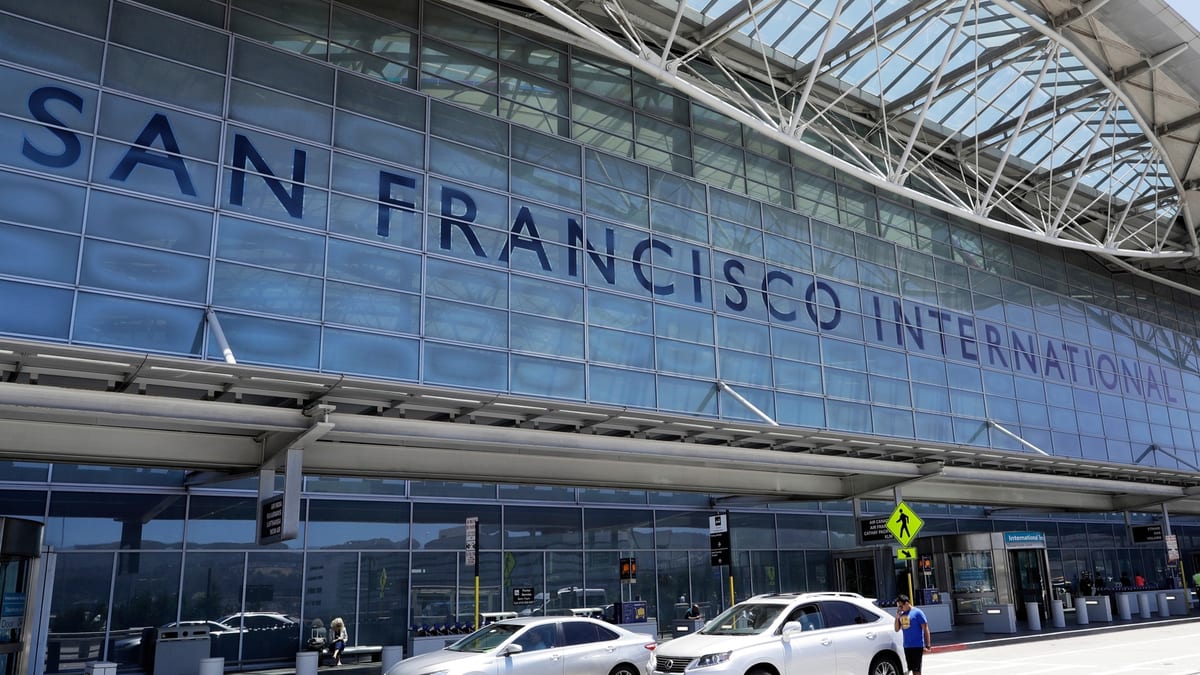
Image by ABC7 San Francisco
Arrivals Cut by One Third as Construction and Rules Collide
The new operating limits, made public at the end of March, reduce SFO’s maximum arrivals from about 54 landings an hour to 36. Publicly available information shows that the cut combines the impact of a six month repaving project on one set of runways with a separate change to how aircraft are permitted to approach the remaining runways in clear weather.
Travel coverage from multiple outlets indicates that the work centers on SFO’s north south runway pair, which closed March 30 for resurfacing and taxiway upgrades. With that configuration unavailable, more traffic is funneled onto the busy east west pair that has long relied on simultaneous approaches to keep flights flowing during peak periods.
Reports indicate that the FAA’s revised procedures now treat those east west runways more conservatively during the construction period, effectively limiting how many aircraft can arrive in a given window. The result is a sizable drop in capacity at one of the West Coast’s most important hubs at the start of the busy spring and summer travel season.
The changes come as regulators across the United States revisit approach patterns and runway usage at high density airports, in some cases tightening long standing practices that had previously been accepted as an efficient way to handle surging demand.
Parallel Runway Safety Under Fresh Scrutiny
According to published coverage, a key factor behind the new constraints is concern about SFO’s long use of simultaneous “side by side” approaches to its closely spaced parallel runways. The two primary arrival runways are only about 750 feet apart, a layout that leaves less room for error as aircraft converge on the airport through crowded Bay Area airspace.
National reporting notes that inspectors reviewing operations at multiple airports have taken a closer look at potential risks around runway incursions, missed approaches and last second go arounds in complex environments. SFO’s geography, ringed by water and hemmed in by other busy airports, makes its traffic patterns particularly intricate compared with many other large hubs.
Recent federal safety initiatives and a string of high profile close calls at airports around the country have raised the profile of runway and approach hazards. In that climate, the balance between maximum throughput and added protections is tilting toward more conservative rules, even when that means longer delays for travelers.
The FAA describes the SFO measures as safety driven steps layered on top of the temporary construction project. Industry analysts note that some of the procedural changes are designated as permanent, suggesting that elements of the reduced capacity could linger even after the runway resurfacing wraps up.
Delays Expected for a Quarter of Arriving Flights
Airport performance estimates shared in local and national reports suggest that about 25 percent of arriving flights could face delays of at least 30 minutes during the six month construction window. Earlier forecasts tied solely to the runway project had pointed to a smaller impact, in the range of 10 to 15 percent of flights running late.
By cutting the arrival rate by roughly one third, the combined effect of the work and the new safety rules significantly increases the likelihood that bad weather, peak hour surges or upstream disruptions will ripple through SFO’s schedule. When traffic outstrips the reduced capacity, the national air traffic system typically responds with ground delay programs and spacing requirements that can push back departures from other cities bound for the Bay Area.
Travel industry reporting indicates that the runway under construction is targeted to return to service around early October, which should restore some of the lost capacity as airlines head into the late year holiday period. Until then, airlines and passengers alike face a more fragile operating environment where modest hiccups can quickly grow into hours long disruptions.
Carriers with large operations at SFO are reviewing schedules and aircraft assignments in light of the new constraints, according to coverage in regional business and travel publications. Some flights may shift to off peak times or be consolidated in an effort to preserve connections while working within the tighter arrival cap.
Impact for Travelers Across the Network
Because SFO serves as a major gateway for both domestic and international traffic, the repercussions of the new arrival cap are expected to reach far beyond the Bay Area. Travel analysts note that longer inbound delays can cause aircraft and crews to miss their next scheduled departures, leading to knock on disruptions at airports across the United States and overseas.
Published flight tracking data already shows lengthening arrival queues into SFO during busy morning and evening banks, even in fair weather. As aircraft are slowed or held en route to meet the lower arrival rate, connection windows can shrink, increasing the risk of missed onward flights for passengers heading to Asia, Europe or other cities within the United States.
Travelers connecting through SFO in the coming months are being advised by airlines and consumer advocates in media reports to allow extra time, particularly for tight domestic to international connections. Some coverage recommends booking earlier arrivals on the same day as a long haul departure when possible, or considering alternate gateways when flexible.
Hotels near the airport and in downtown San Francisco may also see secondary effects, as delayed passengers seek last minute rooms after missing late night departures. Ride share demand around the terminals is likely to remain strong during evening peaks when rolling delays can push clusters of arrivals into compressed time frames.
What to Expect in the Months Ahead
Publicly available planning documents and recent construction impact reports suggest that SFO and the FAA will continue to adjust traffic management measures as crews progress on the runway project. If work proceeds on schedule and no further safety restrictions are added, the airport’s capacity should begin to recover once the north south runway pair reopens in early October.
In the meantime, travelers can expect the most pronounced delays during morning and late evening push periods when demand is highest. Weather that limits visibility or changes the preferred runway configuration can further reduce the effective arrival rate, compounding the impact of the already lower cap.
Airlines are likely to lean more heavily on operational tools such as schedule padding, aircraft swaps and rerouting through other hubs to keep disruptions manageable. Industry coverage points out that these tactics can ease the passenger experience but may also translate into subtle schedule changes and longer advertised gate to gate times on certain routes.
For the broader aviation system, the developments at SFO are being viewed by some experts as a test case for how regulators, airports and airlines will navigate the intersection of growing demand, aging infrastructure and a renewed focus on runway safety. How well the Bay Area hub weathers the next six months could influence future decisions at other crowded airports facing similar trade offs between capacity and caution.