

More news on this day
Spring travelers passing through San Francisco International Airport are being warned to expect longer waits on the ground after new Federal Aviation Administration landing restrictions sharply reduced the number of flights allowed to arrive each hour.
Get the latest news straight to your inbox!
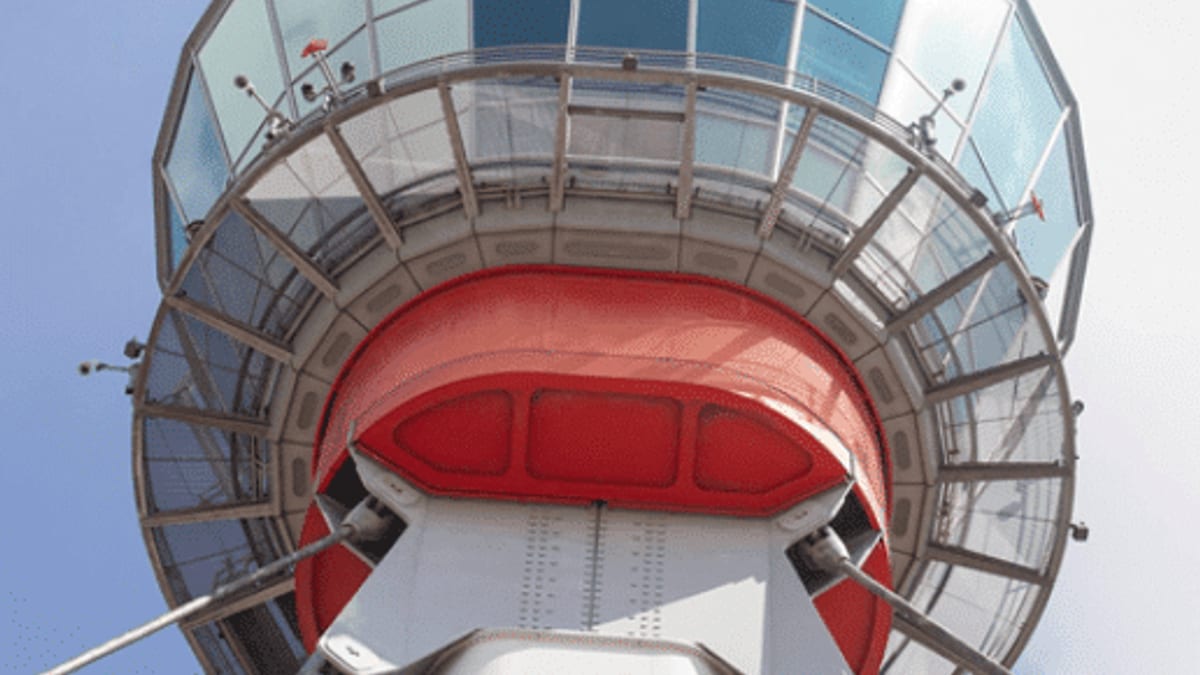
Image by travelmole.com
New rules cut San Francisco arrivals by one third
Publicly available information shows that the FAA this week reduced San Francisco International Airport’s maximum arrival rate from about 54 flights per hour to 36, a cut of roughly one third. The change took effect on March 31, 2026, and is tied to tighter rules on how closely aircraft may land on the airport’s parallel runways.
Published coverage from national and local outlets indicates that the agency has effectively ended routine side by side, or simultaneous, landings on San Francisco’s closely spaced east west runways. Those runways, separated by about 750 feet, have long been known for visually dramatic paired approaches that helped the airport handle dense schedules during peak periods.
Under the new limits, arrivals must be spaced farther apart, which reduces the number of aircraft that can land each hour. Aviation industry reporting notes that the revised procedures are described as a permanent safety measure, not a short term experiment, meaning the lower arrival cap could persist well beyond the coming months.
While the FAA’s detailed order is not directed at a specific airline, the shift is expected to be felt across the network, since San Francisco is a major hub for United Airlines and an important West Coast gateway for several domestic and international carriers.
Runway repaving project compounds the bottleneck
The landing cap comes as San Francisco International Airport is already operating with reduced infrastructure because of a long planned runway rehabilitation project. Public statements from the airport describe a six month closure of one of the north south runways for repaving and related upgrades, scheduled through October 2, 2026.
Before the FAA’s new restrictions, airport planners had forecast that the construction alone would delay roughly 10 to 15 percent of flights, typically by less than half an hour and mainly during the morning and evening rush. With the federal arrival limits now layered on top, the airport’s latest projections suggest a significantly higher impact.
According to summaries of the airport’s updated guidance, about a quarter of arriving flights could now be delayed by at least 30 minutes while the dual constraints are in place. That estimate reflects both the loss of one runway and the tighter spacing rules on the remaining pair, which together reduce the flexibility controllers have to manage busy arrival banks.
Industry analysts note that because San Francisco is hemmed in by water and nearby airports, there is limited scope to reroute traffic or add additional approach patterns. As a result, the combined effect of the runway work and the landing restrictions is expected to ripple through the airport’s schedule, especially during peak travel periods.
Safety concerns drive limits on parallel approaches
Reports from outlets including the Associated Press and specialized aviation publications trace the FAA’s decision to longstanding concerns over closely spaced parallel approaches in complex airspace. The Bay Area hosts multiple commercial airports, and San Francisco’s layout requires aircraft to converge over the same general area when weather and traffic are busy.
According to recent reporting, the FAA reviewed side by side landings at San Francisco following a series of national incidents that drew attention to air traffic safety margins. In its public explanation of the new rules, the agency pointed to the combination of short runway separation, heavy traffic and nearby airports as factors that warranted a more conservative approach.
Experts quoted in trade coverage emphasize that San Francisco has long been an outlier, operating parallel visual approaches at runway spacings that would not be permitted at many other major airports under current guidance. The new restrictions effectively align the airport’s arrival procedures with more typical national standards, prioritizing separation over raw capacity.
Aviation commentators also note that the changes are not linked to any single recent event in the Bay Area, but rather to a broader effort to tighten safeguards in busy terminal airspace. For passengers, the most visible result is not a change in flight paths but a growing number of aircraft held on the ground at their departure cities or placed in holding patterns when San Francisco’s arrival slots are saturated.
Airlines adjust schedules as delays mount
Major carriers that rely on San Francisco as a hub are beginning to reshuffle schedules in response to the new constraints. Based on airline statements cited in business and travel reports, United Airlines is reviewing its timetable to determine whether some flights should be retimed or consolidated to better fit the lower hourly arrival cap.
Alaska Airlines and other carriers have reported intermittent delays as the new rules settle in, with some days seeing only modest disruptions and others showing more extensive knock on effects. The variability reflects how the restrictions interact with weather, time of day, and the mix of long haul and short haul traffic flowing into the Bay Area.
Travel data published by regional outlets suggests that midmorning and evening banks are currently bearing the brunt of the congestion, as multiple inbound waves compete for limited arrival slots. Airlines facing repeated bottlenecks at those times may gradually shift frequencies to shoulder periods, though such changes typically take weeks or months to implement.
Analysts caution that carriers have limited room to maneuver during the busy spring and summer seasons, when aircraft are already heavily utilized. Some routes may see smaller aircraft swapped for larger ones to preserve capacity with fewer arrivals, while others could experience temporary reductions in frequency if punctuality deteriorates.
What travelers can expect in the months ahead
For passengers, the most immediate effect of the FAA restrictions is likely to be longer total journey times, even when weather appears clear in the Bay Area. Ground delay programs issued for San Francisco can hold departing flights at their origin airports so that arrivals flow into the restricted slots in an orderly fashion.
Travel industry advisories circulating this week recommend that passengers connecting through San Francisco build in extra time between flights, particularly for itineraries involving international arrivals or late evening departures. With a higher share of flights expected to run 30 minutes or more behind schedule, tight connections may be riskier than in previous seasons.
Observers tracking operations at San Francisco note that the new rules could also influence pricing and route decisions over time. If the lower arrival rate persists beyond the runway construction period, airlines may eventually trim marginal routes or shift some growth to nearby Oakland or San Jose, where capacity is less constrained.
For now, public statements from the airport and the FAA suggest that the key milestones will be the completion of the runway repaving on October 2 and any subsequent review of the landing caps. Until then, travelers using one of the country’s busiest West Coast gateways are being advised to treat departure and arrival times as increasingly approximate, even on blue sky days.