

More news on this day
San Francisco International Airport’s upcoming runway repaving was initially billed as a manageable disruption, but new federal limits on how many planes can land each hour are turning the project into a recipe for fairly frequent delays.
Get the latest news straight to your inbox!
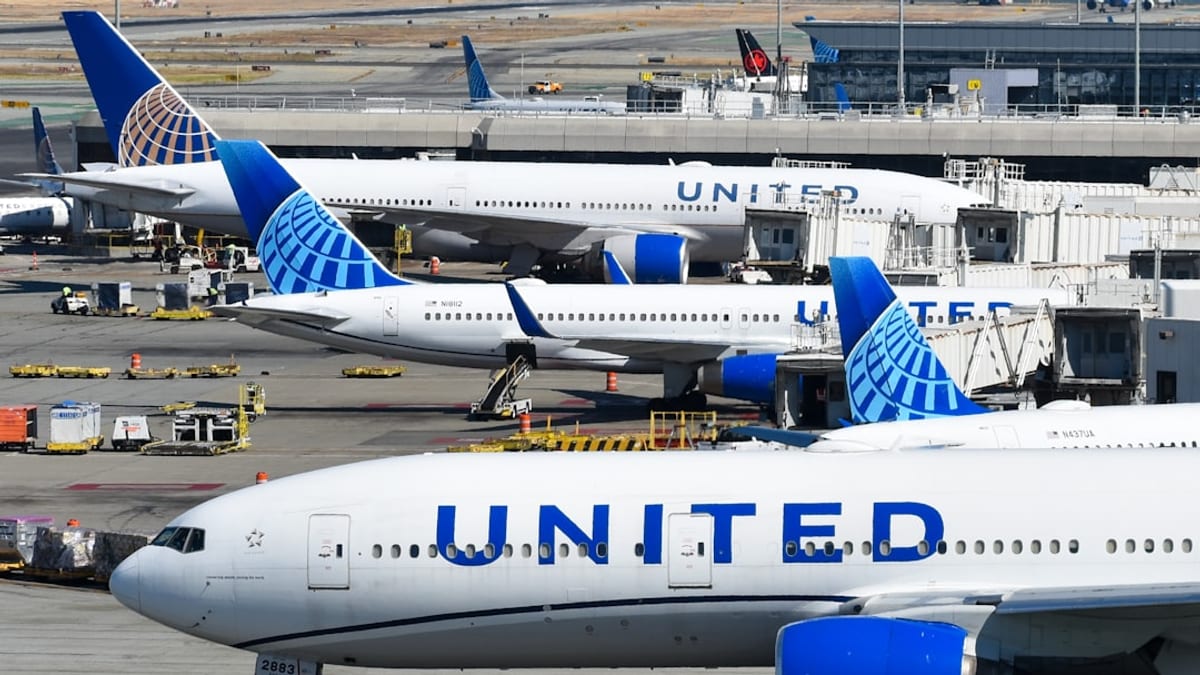
Image by SFist
Runway 1R Closure Collides With New Arrival Limits
San Francisco International Airport plans to close Runway 1 Right for six months in 2026 for a major repaving and airfield upgrade program. Publicly available airport information places the closure window from March 30 through October 2, during which construction crews will rebuild the runway surface, upgrade lighting systems and reconfigure nearby taxiways to improve future traffic flow.
On its own, the airport has indicated that the project was expected to be manageable. Earlier projections circulated in industry coverage suggested that fewer than 10 percent of flights might be delayed directly by the closure, largely concentrated in peak morning and evening departure banks when demand for takeoff slots typically exceeds capacity.
That expectation has shifted in light of a new Federal Aviation Administration restriction on simultaneous approaches to San Francisco’s tightly spaced parallel runways. According to recent national coverage, the agency has concluded that the combination of closely spaced pavement and complex Bay Area airspace justifies a permanent reduction in the number of planes allowed to land each hour.
With one north south runway out of service for months and new limits on how the remaining pair can be used, the airport’s maximum arrival rate is dropping from about 54 flights an hour to roughly 36. The combined effect means that the repaving work is now intertwined with a structural cut in capacity, raising the likelihood of delays beyond what earlier forecasts implied.
From Targeted Construction Disruption to Systemic Delays
Runway rehabilitation projects are common across the United States and, in many cases, their impacts are contained by careful scheduling, partial closures and off peak work. In San Francisco’s case, the airport has undertaken multiple runway overhauls in the last decade and has consistently emphasized its ability to keep overall delays in check by shifting operations to remaining pavement.
The new picture emerging for 2026 looks different. Industry briefings and a recent Associated Press report indicate that, under the combination of the repaving project and the FAA’s arrival cap, roughly one quarter of arriving flights at San Francisco could experience delays of at least 30 minutes during the six month construction window. That is a markedly higher share than the less than 10 percent figure previously cited in materials focused narrowly on the runway work.
Part of the challenge is that the construction does more than remove one strip of concrete from service. Taxiway realignments and airfield geometry changes tied to the Runway 1R project will concentrate most traffic on the remaining east west pair, the 28 Left and 28 Right runways that already carry a heavy load of long haul departures and arrivals. With fewer arrival slots available under the FAA restriction, any disruption ripples quickly through the schedule.
For travelers, that means the impacts are likely to feel less like an occasional construction headache and more like a persistent drag on reliability over the course of the closure. Even if airlines refrain from substantial schedule cuts, more flights will be vying for a smaller number of arrival slots, increasing the odds of holding patterns, ground delay programs and missed connections.
Why the FAA Is Tightening the Rules at SFO
The federal government’s scrutiny of operations at San Francisco predates the latest construction cycle. Aviation safety discussions have frequently pointed to the airport’s unusually close parallel runway spacing and the crowded Bay Area airspace that also includes Oakland and San Jose. In low visibility, San Francisco already operates at reduced arrival rates because its runways do not meet the wider separations used at some other hubs for independent instrument approaches.
Recent federal rulemaking and public statements indicate that the FAA is now applying that conservative approach more broadly, even in clearer weather. Reports describe a move away from allowing side by side visual approaches to San Francisco’s parallel runways under conditions that previously supported them, in favor of a more strictly metered arrival flow.
In tandem with the runway 1R closure, this shift effectively makes the temporary construction challenge more consequential. Instead of being one of several levers air traffic controllers can pull to maintain throughput, San Francisco’s layout becomes a constraint that cannot easily be offset during the six month project period.
The agency has not publicly tied the San Francisco changes to any single recent incident, but coverage of broader safety reviews and runway close calls around the country has put pressure on regulators to reconsider long standing practices. The resulting change at San Francisco is framed in public documents as site specific, rooted in the geometry of the airfield and the complexity of the surrounding airspace.
What Passengers Can Expect This Spring and Summer
For people planning to travel through San Francisco between late March and early October 2026, the most immediate implication is a higher baseline risk of delay. According to published projections cited in national reporting, about one in four arriving flights could face half hour or longer delays while the combined runway closure and FAA restrictions are in effect.
Those impacts will not be evenly distributed. Peak arrival and departure periods, typically in the midmorning and early evening, are most susceptible to knock on delays as demand bumps up against the reduced hourly arrival cap. Weather will remain a critical variable. When marine layer fog, storms or strong crosswinds further restrict usable runway configurations, the already compressed capacity is likely to shrink, with delays and cancellations stacking more quickly than in recent years.
Some airlines may respond by adjusting their schedules, retiming flights away from the busiest banks or rerouting certain services through other Bay Area airports that retain more operational flexibility. Travel industry analysis has suggested that Oakland and San Jose could see incremental gains as carriers and passengers look for alternatives during the most constrained months at San Francisco.
For those who do fly through SFO, publicly available guidance from previous construction cycles remains relevant: leave extra connection time, track flight status closely on the day of travel and be prepared for gate or runway changes as air traffic managers work around evolving conditions.
Longer Term Payoff, Short Term Pain
Despite the near term inconvenience, airport planning documents and construction briefings emphasize that the 2026 repaving project is designed to deliver a long horizon of benefits. The work on Runway 1R includes new asphalt and concrete surfaces, upgraded drainage and modernized lighting that are expected to cut maintenance related closures and improve reliability in poor weather.
Taxiway realignments associated with the project are also aimed at simplifying aircraft movements on the ground, reducing potentially confusing intersections and improving separation between high speed jet traffic and taxiing aircraft. Once complete, these changes are intended to support more efficient use of the airfield and smoother flows during peak periods.
What is different this time is that the benefits will arrive in an environment where baseline capacity has been permanently trimmed by the FAA’s arrival restrictions. Even with a newly rehabilitated runway and more streamlined taxiway network, San Francisco will have to operate within the lower arrival rates now set in federal policy.
For travelers and airlines alike, that makes the upcoming six month window a preview of a new normal. The repaving project may be temporary, but the combination of construction closures and regulatory limits is a signal that flying into and out of San Francisco is entering a period of structurally tighter margins between demand and the number of flights the system can comfortably handle.