

More news on this day
A recurring "strong smell" at a key Federal Aviation Administration air traffic facility serving the Washington region triggered a fresh ground stop Friday evening, forcing hundreds of flight delays that rippled across United and American Airlines’ major hub networks at the height of the spring travel rush.
Get the latest news straight to your inbox!
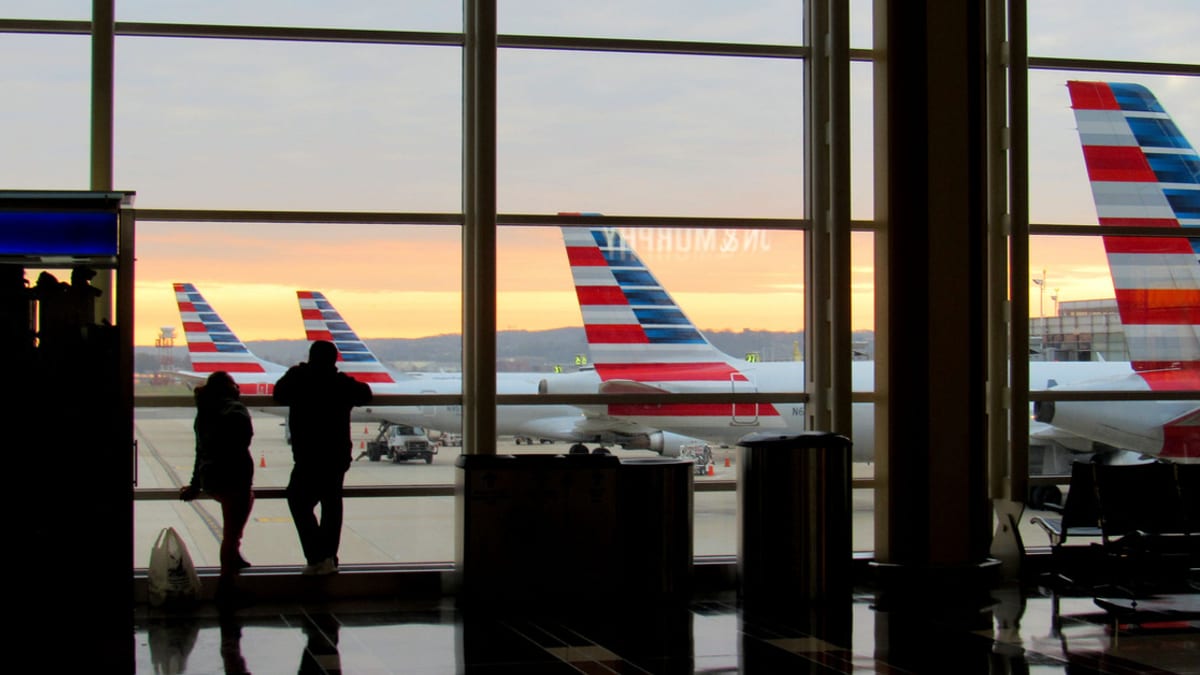
Image by TheTravel
Ground Stop Hits Washington Region for Second Time in March
Publicly available information shows that the FAA temporarily halted traffic into and out of Ronald Reagan Washington National, Washington Dulles, Baltimore Washington International, Charlottesville Albemarle and Richmond International on the evening of March 27 after reports of a strong odor at the Potomac TRACON terminal radar facility. The pause in arrivals and departures lasted for more than an hour at some airports before operations began to resume.
News coverage from national and local outlets indicates that controllers at the facility, which manages approach and departure traffic for much of the Mid Atlantic, were affected by what was described as a strong or chemical smell. As staff were moved and systems reset, aircraft already in the air were held in holding patterns or rerouted, while departing flights remained on the ground.
This was the second such incident in March involving a strong odor at the same facility. Earlier in the month, a similar smell prompted a shorter halt in traffic, and transportation officials later linked that earlier disruption to an electrical component problem. The recurrence has raised fresh questions about the resilience of critical infrastructure that underpins one of the busiest air corridors in the United States.
Airports serving the capital region already operate near capacity during the evening push, and even a brief interruption quickly translated into a backlog of flights. Tracking data and airline status boards showed delays stretching late into the night as aircraft, crews and gates fell out of their planned rotations.
United and American Hubs Feel the Domino Effect
While the ground stop was centered on Washington area airports, the disruption quickly propagated across the domestic networks of United Airlines and American Airlines, which both rely on the region for substantial connecting traffic into their main hubs. United’s Washington Dulles operation feeds long haul and domestic banks at Newark, Chicago O Hare, Houston Intercontinental and other focus cities, while American’s Reagan National schedule is tightly interlaced with its megahubs in Charlotte, Dallas Fort Worth, Philadelphia and Chicago.
Flight status data compiled by airline trackers on Friday evening and Saturday morning showed rolling departure and arrival delays from Washington into core United and American hubs, as aircraft and crews that were scheduled to flow through DCA, IAD and BWI fell behind. In some cases, aircraft that were supposed to return quickly to the air were forced to remain on the ground with passengers onboard while the FAA maintained restrictions, contributing to missed connections at downline hubs.
According to published coverage, United and American each faced dozens of delayed departures tied directly or indirectly to the Washington stoppage, on top of existing schedule pressures from a busy spring travel period and recent operational snarls at other major airports. As the evening wore on, the effect shifted from point delays to broader imbalance, as some hubs were left short of inbound aircraft while others experienced temporary gate congestion.
Because hub networks function as tightly timed banks of arrivals and departures, even a one hour constraint in a key spoke region can unspool into missed connections and late night aircraft repositioning. Travelers on transcontinental and regional routes connecting via United and American hubs reported holding patterns, aircraft swaps and last minute rebookings as airlines worked through the disruption.
Passengers Confront Cascading Delays and Cancellations
Passengers traveling on United and American reported long lines at customer service counters and crowded concourses at Washington airports as the ground stop took hold. Social media posts and firsthand accounts described aircraft held at gates awaiting release from air traffic control, with departure times repeatedly pushed back in short increments.
Once the FAA began lifting restrictions, priority was often given to flights with tight crew duty limits or those needed to feed late night departure banks at downline hubs. That triage left some shorter regional segments facing longer waits or, in some cases, outright cancellations when aircraft and crews would no longer be in position to complete their scheduled day.
Published reporting indicates that airlines encouraged affected travelers to make use of mobile apps and self service rebooking tools rather than wait in airport lines, while some carriers issued flexible travel waivers for customers scheduled to fly to or from the Washington region. For passengers already mid journey, however, the lack of spare seats on peak season flights meant that rebooking options were sometimes limited to next day departures.
The timing of the incident, on a Friday evening heading into a spring weekend, amplified the impact on leisure travelers as well as on business passengers seeking to return home. With hotel availability around the airports also tight, many travelers faced difficult decisions about whether to leave the airport in search of lodging or remain in the terminal in hopes of a late night departure.
Heightened Scrutiny on Air Traffic Infrastructure and Safety
The latest odor related incident at Potomac TRACON adds to a series of recent disruptions involving air traffic control facilities, including a burning smell that led to an evacuation of the Newark Liberty International Airport control tower earlier in the week and a separate strong smell event at the same Washington area facility earlier in March. Together, they have renewed scrutiny of the physical resilience and redundancy of critical aviation infrastructure.
According to publicly available FAA information, the agency can sometimes transfer responsibilities temporarily to backup facilities or adjacent centers when a primary facility is affected, but such shifts often require traffic to be throttled back for safety and staffing reasons. When this occurs in a region already handling heavy volumes, delays are an almost inevitable byproduct.
Aviation analysts cited in recent coverage note that while strong odors, smoke smells or chemical like scents in control centers often ultimately trace back to electrical or mechanical faults, the immediate priority is always to protect personnel and maintain a safe operating environment. That typically means evacuations, equipment checks and a conservative ramp up of operations, rather than attempting to push through at normal capacity.
The string of incidents comes against a broader backdrop of concern over air traffic staffing levels, an aging facility footprint and a busy schedule of infrastructure upgrades. For airlines like United and American, which have built complex hub and spoke networks around major coastal and interior hubs, any fragility in the system can quickly translate into missed connections and dissatisfied customers.
What Travelers Should Expect in the Coming Days
Operational patterns following similar disruptions suggest that travelers flying into or through Washington, and onward to United and American hubs, may continue to experience knock on delays for at least a day as airlines reposition aircraft and crews. Some early morning departures after the incident operated out of sequence as carriers worked to restore normal aircraft rotations.
Industry data indicates that airlines typically recover from a localized air traffic disruption within 24 to 48 hours, provided no new weather or infrastructure issues emerge. However, a recurrence of odor related problems at the same control facility in the same month has created concern among frequent travelers that further ground stops cannot be ruled out until the root cause is fully addressed.
Travel experts quoted in recent media reports recommend that passengers with tight connections through United and American hubs build in additional buffer time, monitor flight status closely and consider earlier departures on critical itineraries. Same day rebooking options may be constrained while airlines work through displaced customers from the latest wave of delays.
As the busy spring and summer travel seasons approach, the Washington area disruptions underscore how a single problem at a key node in the air traffic system can reverberate through airline networks nationwide. For hub carriers like United and American, maintaining reliability in the face of such infrastructure shocks will remain a central operational challenge.