

More news on this day
Saudi Arabia’s fast-evolving tourism landscape is drawing a new wave of experiential luxury, as hospitality brand Faena prepares to anchor high-design resorts in the kingdom’s emerging Red Sea and heritage destinations, signaling a fresh chapter for Middle East travel focused on wellness, culture, and place-making.
Get the latest news straight to your inbox!
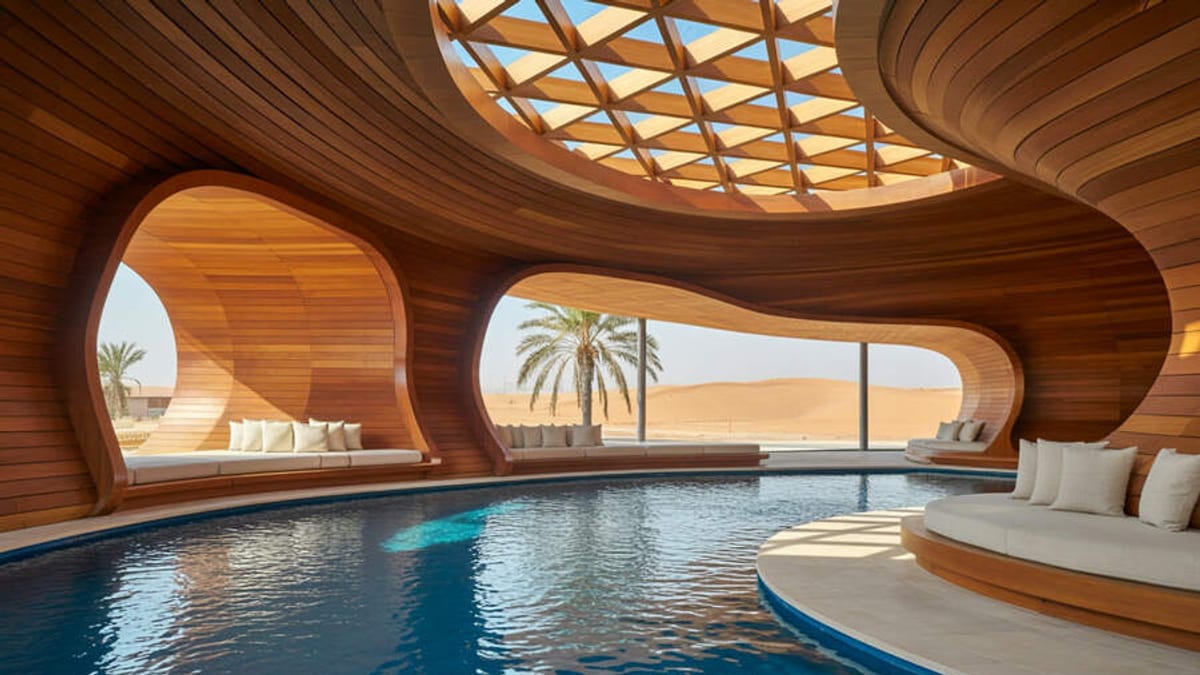
Image by Travel And Tour World
Faena Arrives As Saudi Arabia Recasts Its Tourism Identity
Publicly available information shows that Faena is positioning itself among the most high-profile brands helping to redefine Saudi Arabia’s tourism offer, as the kingdom pursues its Vision 2030 goal of attracting 150 million visitors a year. The brand, known for art-filled properties in Buenos Aires and Miami, is now aligning with Saudi giga-projects that seek to shift the country’s image from transit hub to standalone destination for international travelers.
Reports indicate that Faena’s first Saudi opening, Faena The Red Sea, is planned as part of the multi-island Red Sea development on the kingdom’s west coast. The wider destination is designed around regenerative tourism, low-rise architecture, and strict environmental controls intended to protect coral reefs and coastal habitats while introducing ultra-luxury hospitality. Within this framework, Faena’s creative approach is expected to emphasize immersive storytelling, curated entertainment, and wellness-led programming.
Industry analysis suggests that the brand’s entry comes at a moment when Saudi Arabia is racing to add thousands of high-end keys across its giga-project pipeline, from the Red Sea to NEOM and Diriyah. Faena’s focus on experiential luxury, rather than purely conventional resort formats, is viewed by analysts as a way to differentiate Saudi Arabia from more established Gulf destinations in the United Arab Emirates and Qatar.
Red Sea Coastal Resorts Blend Regenerative Luxury And Wellness
The Red Sea project, operated by Red Sea Global, has been positioned as one of the flagship showcases of Saudi Arabia’s new tourism model, with a masterplan built around protected islands, dark-sky measures, and renewable energy. Within this setting, Faena The Red Sea is expected to join a line-up of branded resorts on Shura Island and neighboring sites, where operators are adding spas, wellness clinics, and nature-based experiences to traditional beach and yacht offerings.
Travel trade reports describe the first phase of the Red Sea destination as including a limited number of carefully master-planned resorts, each with a distinct identity but united by strict sustainability metrics. Faena’s project is reportedly a 150-key resort that will likely integrate its signature mix of artistic interiors, performance spaces, and holistic wellness concepts, echoing the brand’s urban resort DNA in a coastal context.
Wellness has become a central pillar of Saudi Arabia’s broader tourism strategy, with the Public Investment Fund highlighting retreats and health-focused destinations across NEOM and other giga-projects. Faena’s emphasis on spa rituals, mindfulness programming, and curated dining is expected to align with this shift, appealing to travelers seeking restorative, slow-travel experiences rather than brief stopovers.
Observers note that Red Sea resorts, including Faena’s planned property, are being developed with strict visitor caps and phased openings to manage environmental impact. This approach is intended to reposition Saudi Arabia as a steward of fragile marine ecosystems while still appealing to high-spend luxury guests, a balance that industry analysts say could define the next wave of Middle East coastal tourism.
From NEOM To Diriyah, Saudi Arabia Builds A Cultural Circuit
Beyond the Red Sea, Saudi Arabia is developing a network of destinations that combine cutting-edge design with cultural storytelling, from the mountain resort of Trojena and the coastal Magna region in NEOM to heritage-led Diriyah on the outskirts of Riyadh. While Faena’s confirmed pipeline centers on the Red Sea, analysts view the brand’s arrival as part of a wider ecosystem in which visitors may combine coastal stays with urban and cultural itineraries across the kingdom.
Diriyah, anchored by the UNESCO-listed At-Turaif district and envisioned as a traditional Najdi-style cultural hub, is undergoing a multibillion-dollar transformation with museums, galleries, and luxury hotels framed around narrow lanes and adobe-inspired architecture. Market reports describe Diriyah as a future “gathering place” for arts, food, and heritage, complementing the futuristic aesthetic of NEOM’s coastal and mountain destinations.
NEOM’s tourism regions, including Sindalah island and the planned Magna cluster of Red Sea resorts, are being promoted as test beds for high-tech, low-impact hospitality, with autonomous transport, renewable energy, and integrated smart-city systems. Industry coverage characterizes these projects as targeting ultra-luxury travelers, yachting communities, and adventure seekers looking for new frontiers beyond the established hubs of Dubai and Abu Dhabi.
Travel analysts suggest that Faena’s design-led, culturally expressive resorts resonate with these priorities, potentially opening the door to future collaborations in heritage or urban districts where art and performance are central to the visitor experience. In this emerging circuit, guests might move from a Faena beach retreat on the Red Sea to contemporary galleries in NEOM and historic streets in Diriyah within a single itinerary.
Experiential Luxury Redefines The Middle East Travel Playbook
The evolution of Saudi Arabia’s hospitality sector reflects a broader regional pivot toward experiential luxury, where wellness, culture, and narrative-driven design carry as much weight as marble lobbies and fine dining. Faena’s expansion is widely interpreted in industry commentary as evidence that global brands see long-term potential in Saudi Arabia’s attempt to craft distinct, experience-rich destinations rather than replicating generic resort formulas.
Published coverage on Middle East tourism trends highlights that travelers are increasingly seeking properties that feel rooted in their surroundings, whether through architecture inspired by local vernaculars, curated cultural programming, or partnerships with regional creatives. Faena’s track record of commissioning art, staging performances, and integrating local stories into its spaces is viewed as well suited to this shift.
At the same time, analysts caution that the success of Saudi Arabia’s tourism transformation will depend on factors beyond luxury flagships, including air connectivity, regulatory clarity, environmental safeguards, and how comfortably international visitors feel navigating new social and cultural norms. Brands like Faena may help set a high bar for service and design, but the overall destination experience will be shaped by infrastructure, access, and on-the-ground execution.
As openings approach over the next several years, industry observers expect Saudi Arabia’s new generation of resorts, including Faena The Red Sea, to become test cases for whether ambitious masterplans can translate into repeat visitation. If successful, these properties could redefine how travelers experience the Middle East, positioning Saudi Arabia not only as a place of religious pilgrimage and business travel, but as a holistic destination for wellness, culture, and contemporary luxury.