

More news on this day
Britain’s Foreign, Commonwealth and Development Office has issued a series of updated travel warnings for British nationals, reflecting a fast-changing global security landscape shaped by conflict, unrest and infrastructure disruption.
Get the latest news straight to your inbox!
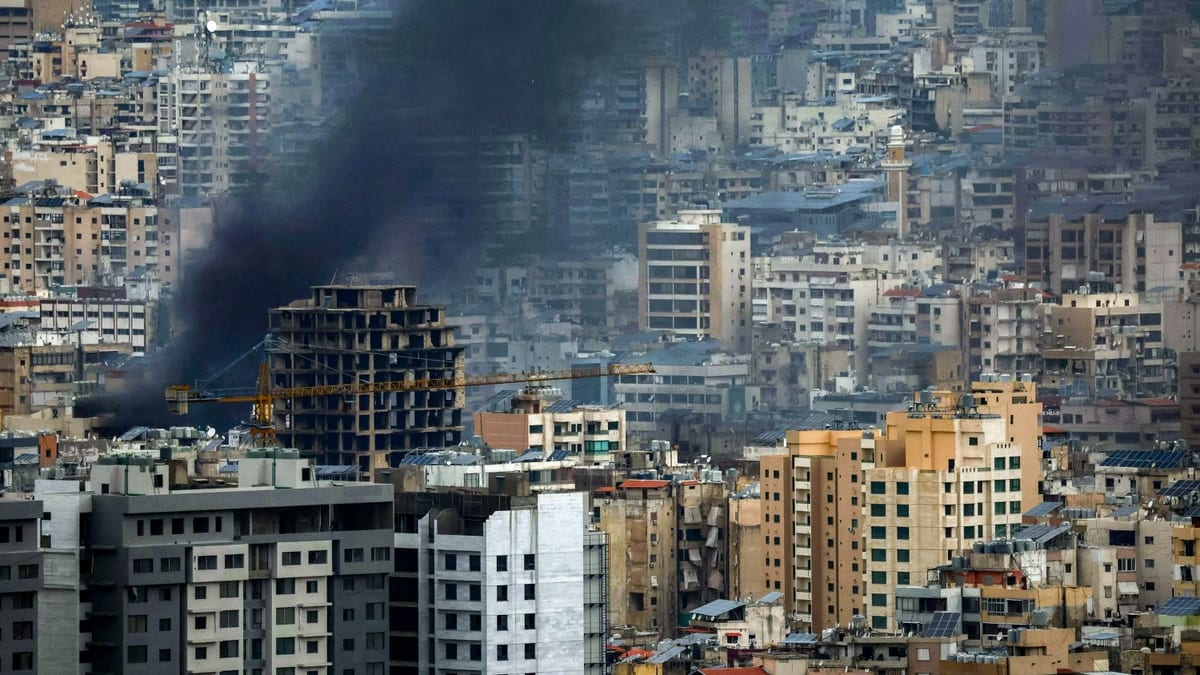
Image by independent.co.uk
Middle East conflict drives sharp escalation in travel warnings
Recent updates to FCDO travel advice show the greatest tightening of guidance across the Middle East, where an intensifying regional conflict has led to airspace closures, flight cancellations and heightened security alerts for British travellers. Publicly available information indicates that the FCDO continues to advise against all travel to Iran, citing severe security risks, including protests, arbitrary detention of foreign nationals and the closure of Iranian airspace and land borders. Reports tracking government advisories state that this position was reiterated in early March 2026 as part of a wider reassessment of regional risk.
The security situation has also had knock-on effects for nearby hubs used heavily by UK holidaymakers and business travellers. Specialist travel-industry coverage notes that the FCDO is advising against all but essential travel to some Gulf destinations while airspace restrictions, potential missile and drone activity and the possibility of further escalation remain under close review. These warnings have resulted in widespread flight disruption, leaving some British nationals facing delays, re-routing or extended stays in transit locations.
Risk analysts say the sharpened tone in the Middle East guidance underscores a shift from destination-specific terrorism concerns toward broader regional instability. Official summaries of FCDO travel advice stress that conditions may deteriorate with little warning and that consular help could be limited in areas affected by conflict, particularly where airspace or borders are closed.
New security language for Cyprus and Turkey amid drone and terror fears
One of the most closely watched changes involves Cyprus, a key holiday market for British tourists. Local and UK media report that on 5 March 2026 the FCDO updated its Cyprus travel advice to state that terrorist attacks “cannot be ruled out” and may be indiscriminate, including in places visited by foreign nationals. The wording, while not raising Cyprus above its lowest formal warning level, reflects concern about potential spillover from the wider regional conflict.
The change came shortly after a reported drone impact near the UK’s RAF Akrotiri base on 2 March, an incident that drew international attention to Cyprus’s role in regional military operations. Coverage in Cypriot outlets notes that the advisory specifically references the drone incident and warns that regional escalation poses significant security risks and has already contributed to travel disruption, including cancellations and diversions on routes using nearby air corridors.
Travel industry reports further indicate that the FCDO has tightened advice for parts of Turkey, differentiating between traditional coastal resorts and higher-risk border provinces. While popular destinations such as Bodrum and Antalya remain open to visitors, southeastern provinces including Hatay and Hakkari are described in recent summaries as subject to elevated warnings linked to terrorism, cross-border fire and security operations. British travellers are being urged by publicly available guidance to avoid high-risk areas, follow local instructions and remain alert to rapidly changing conditions.
Pakistan and wider Asia see expanded disruption and protest risks
Beyond the Middle East and eastern Mediterranean, the FCDO has also updated advice for Pakistan, reflecting a complex mix of political unrest, infrastructure strain and regional knock-on effects. A March 14 2026 advisory update, highlighted by travel-risk briefings, adds explicit warnings about potential fuel shortages, transport disruption, curfews, protests and drone activity. It also links domestic instability with wider Middle East airspace issues that could affect long-haul flight reliability.
Analysts point out that the revised Pakistan wording moves beyond general safety cautions and instead clusters multiple operational risks into a single planning framework for British nationals. Travellers are advised to prepare for sudden road closures, intermittent communications blackouts and short-notice changes to airline schedules, particularly on routes transiting contested or restricted airspace.
Comparable concerns are emerging in travel commentary on parts of China, where FCDO and allied-government advisories highlight increased security legislation, surveillance and the extraterritorial reach of national security laws in regions such as Xinjiang, Tibet and Hong Kong. While the overall formal risk categories may differ from those applied to active conflict zones, the guidance underscores that political and legal developments can have direct implications for British nationals’ movement, privacy and access to consular assistance.
Health-linked alerts add another layer of risk
Security warnings are being compounded by health-related alerts affecting British travellers. According to recent coverage of UK Health Security Agency data, authorities have identified a rise in cholera cases linked to travel from several overseas destinations, including parts of East Africa and South Asia. In response, the FCDO’s country pages for affected states now emphasize strict hygiene measures, safe water practices and up-to-date vaccination where recommended.
These health advisories intersect with existing security concerns in some locations, creating a more complex risk picture. Travellers to countries facing both disease outbreaks and political volatility are being encouraged, in publicly accessible guidance, to factor potential pressure on local health systems into their plans. Limited medical capacity, combined with infrastructure disruption, can make evacuation or advanced treatment more difficult if an illness or injury occurs.
Specialist travel medicine commentary notes that such alerts do not automatically translate into “do not travel” recommendations. However, they do shift greater responsibility onto individuals and tour operators to assess whether planned trips remain proportionate to their risk tolerance, particularly where routine healthcare, clean water and reliable transport cannot be guaranteed.
Implications for insurance, bookings and trip planning
The sharpened tone of recent FCDO updates is already feeding through to insurance coverage and booking decisions for British nationals. Travel industry briefings highlight that when the FCDO advises against all travel, or against all but essential travel, to a destination, many standard travel insurance policies will not cover those who decide to go anyway. This can affect not only medical and evacuation cover but also claims linked to trip cancellation or curtailment.
Airlines and tour operators are also reassessing schedules and itineraries in light of the evolving guidance. Reports from aviation and tourism outlets describe rerouted services to avoid high-risk airspace, fewer direct connections to some regional hubs and increased use of alternative stopovers. Travellers may face longer journeys, tighter capacity on remaining routes and a higher likelihood of last-minute timetable changes as carriers respond to developments on the ground.
Publicly available FCDO material continues to stress that travel advice is kept under constant review and may change quickly in response to new information. For British nationals, the emerging message from recent updates is that planning now requires a closer reading of destination-specific pages, a careful check of insurance terms, and a realistic assessment of how they would cope with disruption if the security situation were to deteriorate during their trip.