

More news on this day
The UK Foreign, Commonwealth and Development Office has issued an urgent warning for British tourists in Israel and Palestine to leave the territories as the regional conflict intensifies and air links grow increasingly fragile.
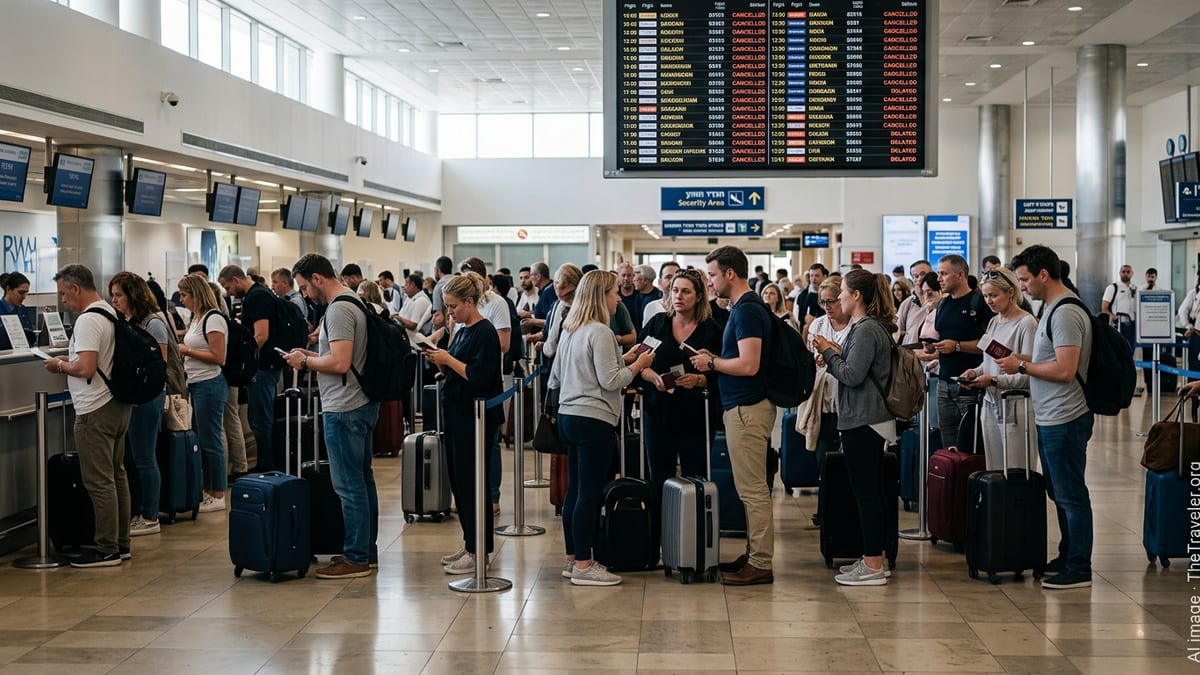
New FCDO Warning Amid Rapidly Escalating Conflict
The latest advisory, updated on March 6, urges UK nationals visiting Israel and Palestine to depart as soon as they judge it safe to do so, using commercial routes where they remain available. The move follows days of deteriorating security in the wider Middle East and growing concern in London that options for safe exit could narrow with little warning.
The FCDO already advises against all travel to Palestine and large parts of Israel, but the refreshed guidance marks a shift from warning prospective visitors to focusing on those already in the region. Officials are stressing that the government cannot guarantee evacuation for everyone if the situation worsens further, placing the onus on individuals to leave while flights and border crossings are still operating, even at reduced capacity.
Ministers have said they are in close contact with airlines and regional partners as they assess potential contingency measures. However, the clear public message is that British tourists should not rely on possible emergency repatriation and instead should take immediate steps to secure their own departure.
What UK Tourists on the Ground Are Being Told to Do Now
Updated FCDO language advises British nationals who feel it is safe to move to check with their airline or tour operator for the latest information on flights, as schedules are changing at short notice. Travellers are being urged to monitor instructions from local authorities and verify the status of any border crossings before setting off for airports or land exits.
Those planning to leave are told to keep travel documents, essential medication and key belongings ready so they can move quickly if a departure opportunity arises. The government is also encouraging tourists to ensure their mobile phones are fully charged, to have backup power if possible, and to share their travel plans with friends or family in the UK.
For people who judge it unsafe to attempt immediate travel, the FCDO is advising them to identify the safest available place to stay, follow security advice from local authorities and keep a close watch on updates from official UK channels. Officials acknowledge that conditions may differ significantly between cities and regions, meaning decisions on whether to move will depend heavily on local circumstances.
Flight Disruptions and Border Uncertainty Add to Pressure
The call for tourists to leave comes as airlines adjust or cancel flights across the wider Middle East in response to the conflict. Recent days have seen services from the UK to several regional hubs either suspended or heavily curtailed, with carriers rerouting aircraft away from some airspace and warning of ongoing disruption.
While some routes out of Israel remain open, capacity is limited and seats can sell out quickly when new services are announced. Travellers are being encouraged to consider indirect journeys via third countries if direct options are unavailable, provided they can do so safely and in line with local regulations.
Border crossings present an additional layer of uncertainty. The FCDO is warning that access points could open or close at very short notice, queues may be long, and security checks more stringent than usual. Tourists are advised to arrive well ahead of departure times, carry printed copies of bookings where possible, and to be prepared for sudden changes, including last minute cancellations or redirections.
Registration, Consular Help and Limits of UK Support
As part of its wider crisis response in the region, the UK government is urging British nationals in Israel and Palestine to register their presence so they can receive direct updates. By doing so, travellers can be notified of significant changes to advice, emerging departure options or any government-facilitated assistance that might become available.
Consular teams are reported to be working extended hours to respond to enquiries, but officials are candid about the limits of what they can do in an active conflict zone. They stress that while the UK will try to provide support, its ability to move people or intervene locally may be constrained by security conditions and the decisions of regional authorities.
British nationals are being reminded that standard travel insurance policies may not cover travel in areas where official advice is against all travel or all but essential travel. Travellers are being encouraged to check the small print of their policies and to speak directly with insurers about what support, if any, they can expect if their plans are disrupted or if they decide to leave early.
What This Means for Future Trips to Israel and Palestine
The strengthened warning effectively halts tourism from the UK to Israel and Palestine for the foreseeable future. With the FCDO advising firmly against travel and urging those already there to leave, tour operators are suspending itineraries, hotels are grappling with a wave of cancellations and airlines are constantly revising their schedules in response to security assessments.
Prospective visitors with bookings later in 2026 are being advised to monitor developments closely and to stay in regular contact with airlines and travel providers. Many companies have activated flexible booking policies that allow date changes or vouchers, although the precise terms vary. Travellers are also being encouraged to sign up for email alerts from the FCDO so they receive any changes to the official advice as soon as they are published.
For now, the message from the UK government is clear. Tourists who are already in Israel or Palestine should leave as soon as they can safely do so, and those considering future trips should pause their plans until the security situation stabilises and travel advice is eased. With the regional picture changing rapidly, the status of flights, borders and on-the-ground conditions may shift from day to day, reinforcing the importance of constant vigilance for anyone still in the area.