

More news on this day
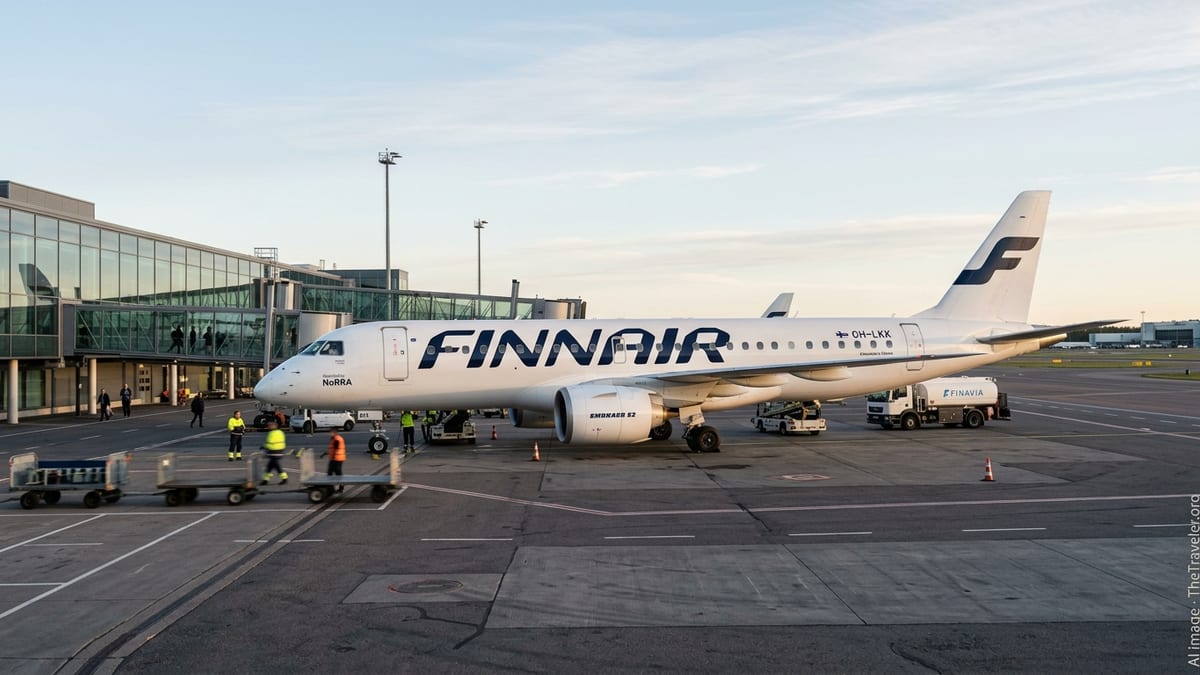
Finnair is reshaping its short-haul strategy with a fleet renewal anchored on 18 new Embraer E195-E2 jets, a move that aims to deliver greener, quieter and smoother journeys across its European network from the late 2020s.
Get the latest news straight to your inbox!
A Strategic Shift in Finnair’s Short-Haul Fleet
Publicly available information shows that Finnair has placed firm orders for 18 Embraer E195-E2 aircraft, with additional options and purchase rights that could significantly expand the fleet over time. The order, announced in March 2026, represents a notable shift for a carrier long associated with an all-Airbus mainline fleet on its European routes. The new jets are intended to replace aging narrowbody aircraft and support a broader renewal of the airline’s short-haul operations.
The E195-E2s are scheduled to begin arriving from 2027, gradually joining Finnair’s existing mix of Airbus A320-family aircraft and regional jets operated by partner Nordic Regional Airlines. According to fleet data made available through investor materials and industry databases, the airline plans to phase out older Airbus A319 and some A320 models as the new Embraers enter service. This transition is expected to help Finnair match capacity more closely to demand on a variety of European city pairs.
The decision aligns with a wider restructuring of Finnair’s network in recent years, as the carrier has adapted to changing traffic flows between Europe and Asia and developed new partnerships on long-haul routes. By sharpening its European offering with more efficient aircraft, Finnair is positioning Helsinki as a competitive transfer hub linking Northern Europe with key destinations across the continent and beyond.
Greener Operations with Next-Generation Regional Jets
The Embraer E195-E2 is marketed as one of the most fuel-efficient single-aisle jets in its category, and Finnair’s selection of the type reflects rising pressure on European airlines to cut emissions and noise. Manufacturer data and independent analyses indicate that the E2 family offers notable reductions in fuel burn per seat compared with previous-generation regional jets, translating into lower carbon emissions on each flight.
These performance gains stem from a combination of new-generation engines, improved aerodynamics and lighter, more efficient systems. For Finnair, which has highlighted sustainability targets in its public reporting, the move to E195-E2 aircraft is expected to play a role in meeting medium-term climate goals while keeping operating costs in check. The aircraft’s lower noise profile should also support operations at noise-sensitive European airports, a growing concern as environmental regulations tighten.
While exact route allocations have not yet been detailed in public information, the E195-E2’s range and operating economics make it suitable for a broad mix of services from Helsinki, including both higher-frequency business routes and leisure-oriented destinations. This flexibility is important as Finnair seeks to balance profitability with a visible reduction in its environmental footprint.
Enhancing Passenger Comfort on European Routes
Alongside the operational advantages, the Embraer E195-E2 introduces a cabin experience that differs from the traditional narrowbody layout many travelers are used to in Europe. The aircraft’s two-by-two seating eliminates the middle seat, a configuration that has become a selling point for airlines using the type. Industry comparisons suggest that this layout, combined with wider windows and a modern cabin design, can create a perception of more personal space, even in standard economy seating.
Finnair has not yet publicly released final interior details for its E195-E2 fleet, but typical configurations for the type in Europe point to around 130 to 140 seats, depending on cabin layout. That capacity range fits neatly between smaller regional jets and larger Airbus A320-family aircraft, giving the airline added flexibility on routes that do not consistently fill bigger planes but still demand a full-service offering.
For passengers, the shift to a new-generation regional jet should translate into a quieter cabin, smoother ride and more consistent onboard product across Finnair’s European services. As the airline continues upgrading cabins on its long-haul Airbus A330 and A350 aircraft, aligning the short-haul experience with newer cabins is likely to become an important part of its brand positioning.
Strengthening the Helsinki Hub and European Connectivity
The addition of E195-E2 jets comes as Finnair continues to refine Helsinki’s role as a connecting hub between Europe and long-haul markets. Investor disclosures and network overviews show that the airline is focusing on building efficient waves of European arrivals and departures to feed intercontinental flights, both those operated under its own code and those run in partnership with other carriers.
By deploying the E195-E2 on key intra-European links, Finnair can schedule higher frequencies to important business cities while right-sizing capacity on thinner routes. This approach is designed to protect connectivity for regional markets that might be harder to serve profitably with larger narrowbody aircraft. It also supports more reliable connections, as modern regional jets can be better matched to runway and weather constraints at smaller airports.
In parallel, Finnair has been adjusting its long-haul portfolio through new cooperation agreements and aircraft leases with partner airlines. The refreshed European fleet therefore becomes a crucial piece of a broader strategy, ensuring that passengers from across the continent can access the airline’s long-haul services via Helsinki with shorter transfer times and a more consistent product.
Part of a Wider Embraer E2 Expansion Across Europe
Finnair’s order adds further momentum to the Embraer E2 program in Europe, where airlines from Luxembourg to Scandinavia have recently selected the type for regional and short-haul growth. Industry order backlogs list Finnair among a growing group of E195-E2 customers on the continent, reflecting renewed interest in smaller, fuel-efficient jets as carriers rework their post-pandemic networks.
For Embraer, securing a prominent flag carrier in Northern Europe helps reinforce the E2’s position in a competitive market segment dominated by larger single-aisle aircraft families. For Finnair, the decision signals a long-term commitment to an aircraft size that can bridge the gap between turboprops, smaller regional jets and traditional narrowbodies, supporting a more nuanced approach to capacity planning.
As the first E195-E2 deliveries to Finnair approach later in the decade, travelers across Europe can expect to see the type increasingly on schedules to and from Helsinki. If accompanied by thoughtful route planning and continued investment in the onboard experience, the new fleet has the potential to make Finnair’s European journeys both greener and smoother, while strengthening the airline’s role in the region’s evolving aviation landscape.