

More news on this day
Finnair is converting its new services to Luxembourg, Valencia and Turin into year-round routes from 2026, extending what were planned as summer-only links into the winter season as the carrier leans into robust demand on key European corridors.
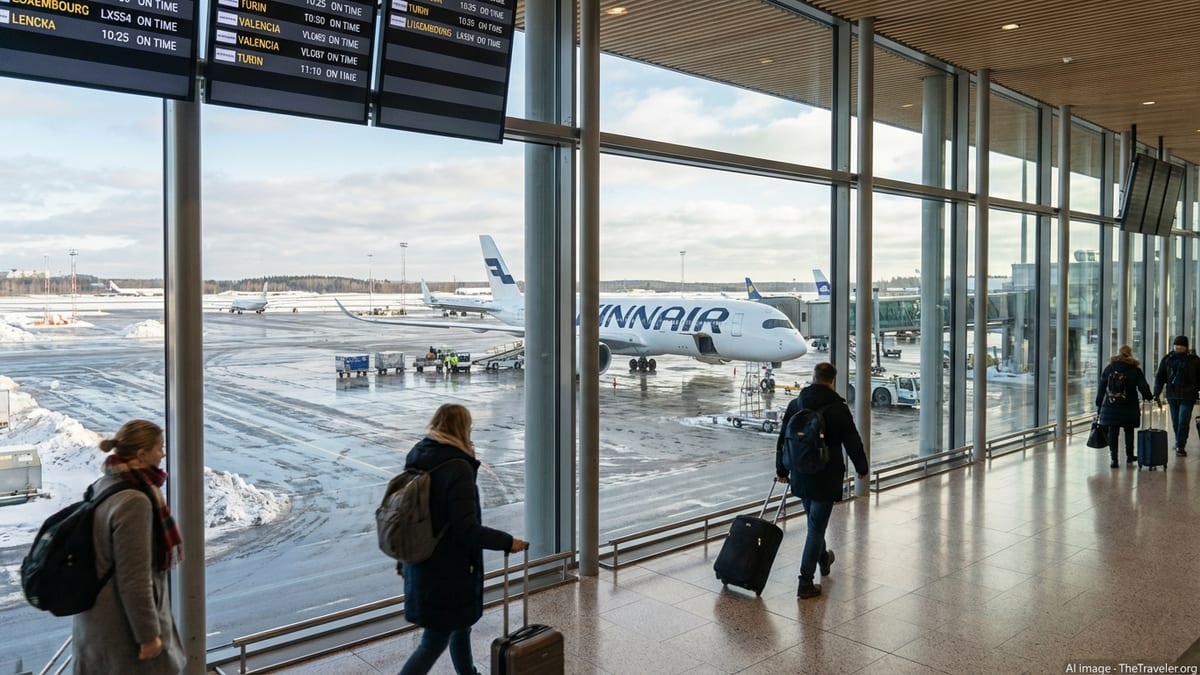
Seasonal Routes Upgraded to Full-Year Service
The Finnish flag carrier had initially scheduled Luxembourg, Valencia and Turin as part of an expanded summer 2026 programme from its Helsinki hub, alongside a wider slate of new European destinations. Strong forward bookings and interest from both corporate and leisure segments have prompted Finnair to keep the three routes in operation throughout the year instead of pausing them at the end of the summer timetable.
According to schedule data and recent network updates, Helsinki–Luxembourg will launch at two to three flights per week from the start of the summer 2026 season, with capacity ramping up as the high season approaches. Turin and Valencia are also due to begin as summer services in April and May, offering new direct access from Finland and one-stop connectivity for Northern European travellers heading to southern Europe and the Alps.
Finnair is now extending all three links into the winter 2026–27 season. Rather than withdrawing aircraft when demand typically softens, the airline is banking on a mix of business travel, city breaks and winter sports traffic to support consistent loads. The move aligns with a broader industry shift toward smoothing seasonal peaks and troughs in Europe’s short-haul market.
The decision also underscores the carrier’s strategy of using its Helsinki hub as a stable year-round gateway, rather than a network heavily skewed to the Nordic summer. By keeping aircraft and crews deployed on these routes during winter, Finnair can preserve customer choice and maintain brand presence in competitive local markets.
Luxembourg Gains Extra Capacity for Business and Transfers
Luxembourg, one of Europe’s leading financial and institutional centres, is a particularly significant addition to Finnair’s permanent network. The route links the Grand Duchy directly with Helsinki and, via onward connections, with destinations across the Nordics, North America and Asia. What starts as a three-times-weekly service in summer 2026 is set to grow to four weekly flights in winter, reflecting confidence in corporate and transfer traffic.
Finnair sees Luxembourg as a natural fit for its hub-and-spoke model. The city’s concentration of EU institutions, financial firms and international organisations generates stable, year-round demand that is less exposed to traditional holiday seasonality. Helsinki’s position as a northern gateway allows time-efficient one-stop itineraries from Luxembourg to cities such as Rovaniemi, Oulu and Tampere, as well as long-haul points as Finnair rebuilds its intercontinental reach.
The additional winter frequency will give business travellers more flexibility for short trips and same-week returns, while also supporting inbound tourism to Finland. For Luxembourg-based passengers, the service offers a new option to access Lapland’s winter attractions and Northern Lights tours, connecting with Finnair’s extensive Lapland schedule.
From a competitive standpoint, the year-round operation helps Finnair secure a foothold in a small but high-yield market. By keeping the link active through the quieter months, the carrier aims to build loyalty and recognition among frequent flyers who might otherwise default to larger European hubs.
Valencia Secures Stable Nordic Leisure Flow
On Spain’s Mediterranean coast, Valencia will transition from a newly announced summer-only addition into a full-year destination. Finnair plans to maintain four weekly frequencies across the winter season, after initially launching the route with two weekly flights during the core summer period and scaling up as demand grows.
The city has been attracting increasing numbers of visitors from northern Europe, combining a historic centre and cultural attractions with beaches, cycling routes and a mild climate. For Finnish and Nordic travellers, direct Helsinki–Valencia flights offer an appealing alternative to more established Spanish hotspots, spreading demand beyond traditional favourites such as Malaga and the Canary Islands.
Keeping the Valencia route active over winter supports city-break tourism and long-stay visits by retirees and remote workers seeking warmer weather. It also improves connectivity for Valencian travellers heading north, who gain year-round access to Helsinki and onward flights to Scandinavia and beyond without backtracking via the major western European hubs.
The continuity of service is expected to help local tourism bodies and hospitality businesses in Valencia plan more effectively, encouraging investments that are not solely tied to the peak summer season. For Finnair, sustained winter flying can improve aircraft utilisation and protect market share as other carriers adjust capacity in Spain.
Turin Connects Helsinki to the Alps in All Seasons
Turin, strategically located near the Italian Alps, is another route graduating to year-round status in Finnair’s portfolio. The service will operate several times a week in summer and continue with at least one weekly flight in winter, rising to two during the busiest weeks of the ski season as demand for alpine resorts peaks.
The link creates a direct corridor between Finland and northern Italy’s mountain region, simplifying access to ski destinations in Piedmont and the wider western Alps. For Finnish tour operators and independent travellers, a through-service via Helsinki also facilitates connections from other Nordic cities, consolidating winter sports traffic onto a single route.
Beyond skiing, a permanent Helsinki–Turin connection opens up opportunities for cultural and gastronomic tourism. Turin’s baroque architecture, café culture and proximity to the wine regions of Piedmont appeal to travellers seeking city and countryside combinations. A year-round schedule makes it easier to promote shoulder-season trips, capitalising on cooler spring and autumn months when both cities see rising interest in urban breaks.
From Turin’s perspective, a consistent Nordic link diversifies its international route map and supports inbound visitors from markets that have historically been under-served. Finnair, in turn, adds another Italian city to a network that already includes Rome, Milan and upcoming services to Florence and Catania, reinforcing its presence on one of Europe’s most competitive country markets.
Network Strategy Aims for Smoother Seasonality
The upgrade of Luxembourg, Valencia and Turin to year-round status fits into Finnair’s wider European expansion for 2026, which includes a total of 12 new destinations from Helsinki and enhanced winter links to Lapland from major European capitals. The airline is using a combination of its own fleet and wet-leased capacity to add frequencies without overextending its long-haul operations.
By turning promising seasonal routes into permanent fixtures, Finnair is attempting to flatten the extreme seasonality that has long shaped Nordic aviation. More balanced year-round flying can improve revenue stability, support crew and aircraft productivity, and make it easier to retain slots and sales momentum in newly entered markets.
The year-round move also signals that demand patterns in Europe are evolving. Business travel has become more flexible and distributed across the calendar, while leisure travellers increasingly book shorter, more frequent trips outside traditional holiday periods. Finnair’s decision to keep these routes active through winter suggests it expects those trends to continue.
As the expanded timetable for 2026 comes into focus, Finnair’s Helsinki hub is set to offer more consistent connectivity across Europe, with Luxembourg, Valencia and Turin playing a central role in linking financial centres, sun destinations and mountain gateways to the Nordic region all year long.