

More news on this day
Finnair has signed a letter of intent covering two Embraer E190-E1 regional jets and two ATR 72-600 turboprop aircraft, a targeted move that supports the carrier’s short-haul network while its broader fleet renewal with next-generation models continues.
Get the latest news straight to your inbox!
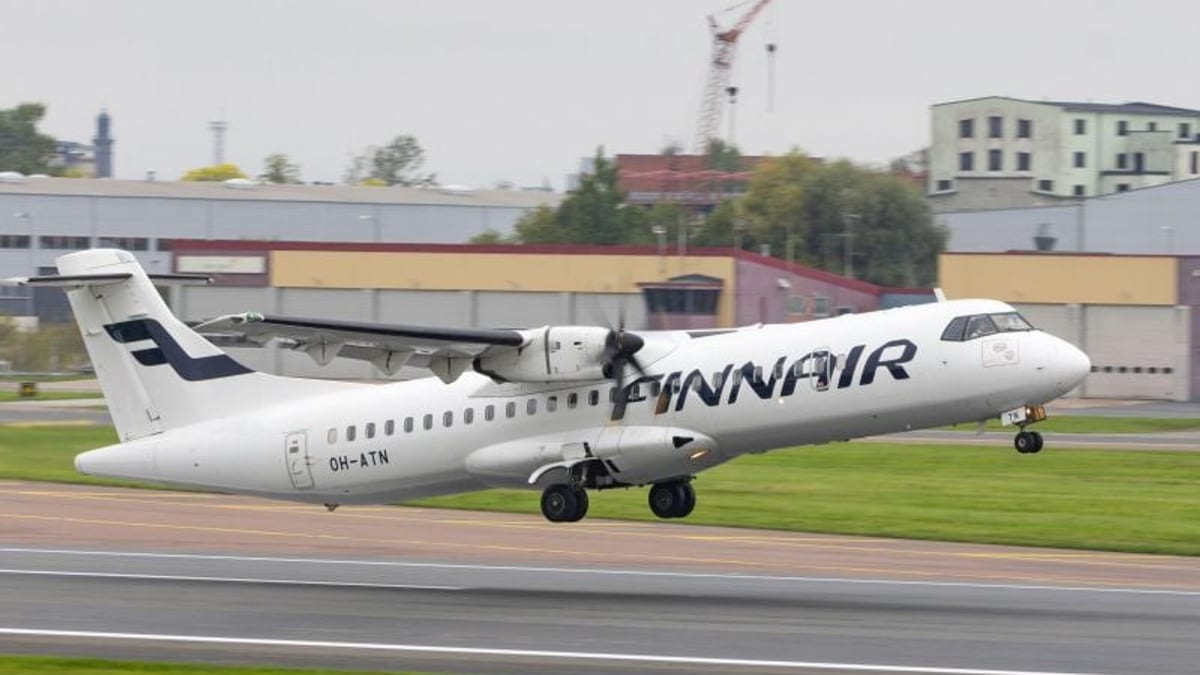
Image by AWN RSS by content source
A Targeted Boost to Finnair’s Regional Capacity
The new letter of intent focuses on four regional aircraft, with two E190-E1s complementing Finnair’s existing Embraer narrowbody presence and two ATR 72-600s reinforcing thinner short-haul routes. Publicly available information indicates that the aircraft are expected to be sourced through leasing arrangements, which allows the airline to adjust capacity without committing to a large long term capital outlay.
These additions sit alongside Finnair’s wider fleet strategy, which recently centered on a major order for up to 46 Embraer E195-E2 jets and additional used Airbus A320 family aircraft. While the E195-E2 order underpins medium term renewal, the E190-E1 and ATR 72-600 frames can be introduced more quickly, providing a near term bridge as older aircraft are phased out and schedules are reshaped.
Industry reports suggest that the E190-E1s tied to the letter of intent will be configured in a layout closely aligned with Finnair’s current regional standards, offering a familiar onboard product on key Nordic and European routes. The ATR 72-600s, meanwhile, are expected to operate on shorter sectors where demand is steady but does not justify larger jets.
By combining these two aircraft types in a single agreement, Finnair gains a finely tuned capacity toolset. The E190-E1s bring jet performance and range for busier regional routes, while the ATR 72-600s provide efficient lift to smaller markets where yields can be protected by right sizing capacity.
How E190-E1 and ATR 72-600 Fit Into the Fleet Plan
Finnair’s regional operations have historically relied on a mix of Embraer 190s and ATR 72 turboprops, operated either in house or in cooperation with regional partners. The E190-E1 is a first generation member of the Embraer E Jet family, known for its 100 seat class capacity and flexibility on routes of one to three hours.
The ATR 72-600 is a twin engine turboprop widely used in Europe for sectors often under 500 kilometers, where its fuel efficiency and short field performance are strong advantages. For an airline such as Finnair, with a network spanning domestic Finnish destinations, the Nordic region and nearby European capitals, this combination allows tailoring aircraft type to route demand and airport infrastructure.
The letter of intent also helps smooth the transition to the newer E195-E2 fleet. As those second generation Embraer aircraft begin to arrive in the late 2020s, they are intended to replace older E190s while improving fuel burn and emissions per seat. Maintaining a modest number of E190-E1s through this interim period gives network planners continuity and avoids over reliance on a single fleet introduction timeline.
Similarly, the ATR 72-600s secured under the letter of intent support Finnair’s continuing use of turboprops on short and lower volume routes, particularly where weather, runway length or passenger volumes make turboprops more viable than jets. The move reflects a broader European trend in which carriers pair new generation jets with modern turboprops to cover their full range of regional missions.
Network Implications Across the Nordic and European Markets
Finnair’s hub at Helsinki Airport depends heavily on efficient regional feed to support long haul and intra European connections. Incremental capacity from the additional E190-E1s and ATR 72-600s is expected to support this role by improving schedule density on important spokes without causing a step change in seat numbers.
Domestic routes within Finland, including services to northern and eastern cities, are likely to benefit from the flexibility brought by the two aircraft types. Turboprops such as the ATR 72-600 can be deployed on shorter sectors or airports with more limited infrastructure, while E190-E1s are suited to longer domestic and cross border flights where jets are preferred by both passengers and schedulers.
On the wider European map, the E190-E1 is well matched to secondary cities and business routes that may not always justify larger narrowbodies, particularly during off peak periods. The ability to fine tune capacity with smaller jets and turboprops can support Finnair’s efforts to maintain frequency on key routes despite cost and competitive pressures.
This incremental regional capacity also aligns with Finnair’s strategy of strengthening its presence within Europe after sustained disruption of former long haul corridors. By bolstering short haul connectivity, the airline can create a more resilient network that is less vulnerable to overflight restrictions or sudden demand shocks on any single geographic market.
Balancing Efficiency, Sustainability and Cost
Finnair has consistently framed recent fleet decisions in the context of fuel efficiency and environmental performance. While the E190-E1 is not as advanced as the latest E2 generation, it still offers a balanced mix of efficiency and acquisition cost, particularly when sourced on attractive lease terms from existing operators or lessors.
The ATR 72-600 is regarded in the industry as one of the most fuel efficient regional aircraft on a per seat, per kilometer basis. Turboprops typically burn less fuel than comparable regional jets on short sectors, an advantage that can support both emissions reduction targets and operating margins on shorter routes where ticket yields are under pressure.
By choosing a mix of newer generation aircraft in its main renewal program and selectively adding earlier generation but efficient regional types under the letter of intent, Finnair appears to be pursuing a blended cost and sustainability strategy. New build E195-E2s contribute the largest step change in emissions and fuel burn per seat, while leased E190-E1s and ATR 72-600s provide tactical flexibility at lower capital intensity.
This measured approach may be particularly important in the current environment of volatile fuel prices and evolving environmental regulation in Europe. A diversified regional fleet allows the carrier to adjust quickly to changes in demand, taxation or airport charges without being locked into an inflexible size or technology mix.
What the LOI Signals About Finnair’s Next Phase
A letter of intent is not as firm as a completed purchase or lease contract, but it typically indicates a high level of commitment and a clear direction of travel. In this case, the LOI for two E190-E1s and two ATR 72-600s sits alongside a far larger program of fleet renewal, but still carries strategic weight.
It signals that Finnair intends to keep a robust regional footprint, supported by right sized aircraft that match the diverse profiles of the markets it serves. The presence of both jets and turboprops in the agreement underlines a continued belief in a mixed fleet as the best way to connect Finland and the wider Nordic region to Europe.
For passengers, the practical impact is likely to be felt through maintained or improved frequencies on regional routes and a gradual refresh of cabin environments as aircraft join the fleet or swap roles with older types. For the airline, the letter of intent represents another piece of the puzzle as it rebuilds and reshapes its network for the coming decade.
Placed in context with Finnair’s larger Embraer and Airbus commitments, this smaller regional deal demonstrates how European carriers are layering tactical fleet moves on top of headline orders, using targeted letters of intent to close specific gaps in capacity, reach and flexibility.