

More news on this day
From stray dandruff on headrests to strong body odor in tightly packed rows, personal hygiene has become an increasingly visible fault line in modern air travel, sparking debates about etiquette, airline cleaning standards and where responsibility really lies when flakes appear on a plane.
Get the latest news straight to your inbox!
Cabin Hygiene Under the Microscope
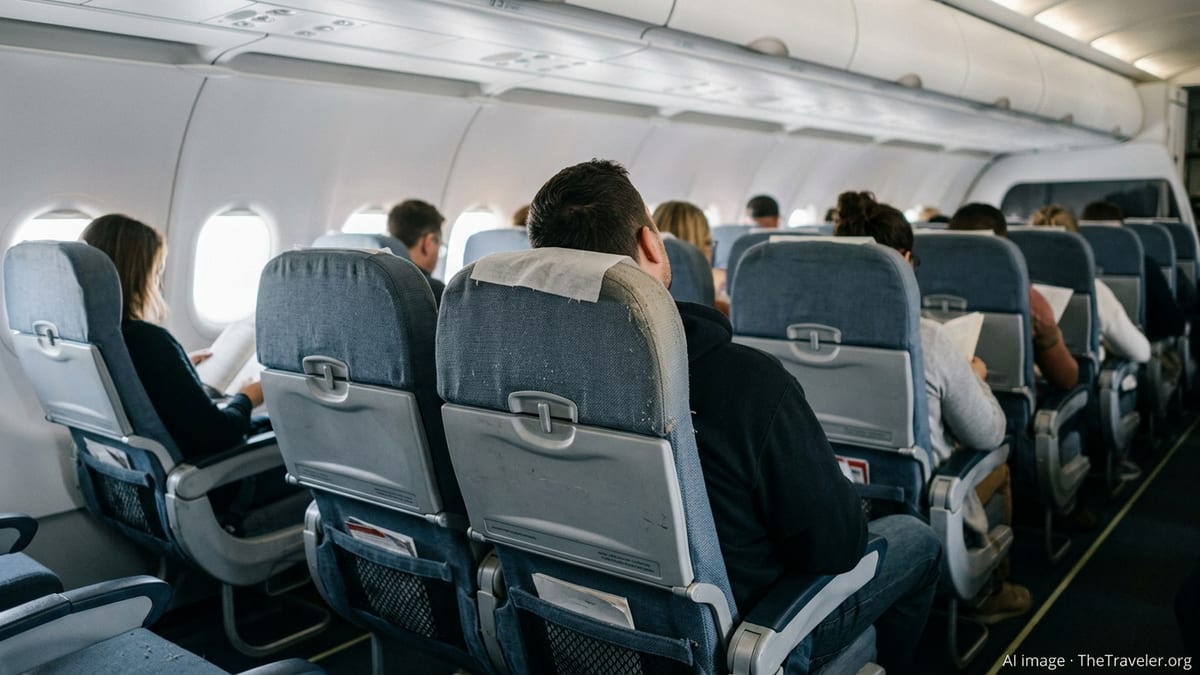
Reports from frequent flyers, travel forums and consumer sites indicate that complaints about dirty seats, stained headrests and visible skin flakes have become more common as global air traffic rebounds. Passengers describe boarding flights to find hair, crumbs and what appears to be dandruff on seat cushions and armrests, fueling frustration that quick turnarounds are undermining basic cleanliness.
The trend has revived attention on how thoroughly aircraft are cleaned between flights. During the height of the pandemic, many airlines promoted enhanced disinfection regimes and visible cabin grooming efforts to reassure travelers. More recent commentary suggests that as demand and schedules intensified, some carriers have scaled back to faster, targeted cleaning, leaving soft surfaces and tight crevices more vulnerable to lingering debris.
Airline operations manuals and airport policy documents still emphasize a clean cabin as a core element of safety and service. Industry guidance for carriers stresses regular surface disinfection, attention to high-touch areas such as tray tables and armrests, and clear standards for contracted cleaning crews. Yet passenger accounts describe notable variation from one route or aircraft to another, with some cabins appearing spotless and others clearly showing signs of previous use.
For travelers, the result is a growing sense that basic grooming and hygiene issues are no longer isolated annoyances but part of a wider conversation about value for money, health risks and the overall flying experience.
Personal Grooming and the Etiquette Gray Zone
In parallel with concerns about cleaning, in-flight grooming has become a flashpoint. Travel etiquette guides and aviation commentators routinely highlight hair brushing, nail clipping and aggressive use of scented products among the behaviors most likely to disturb fellow passengers. Social media posts showing flakes falling from one passenger’s hair onto another’s tray table have provoked intense reactions and calls for clearer norms.
Experts in travel behavior note that grooming at one’s seat occupies a gray zone. Applying hand lotion or lip balm is generally framed as acceptable, while brushing hair, shaking out clothing or scraping dry skin crosses an invisible line when it spreads debris into shared space. On aircraft where legroom is limited and ventilation systems continually recirculate air, small actions can quickly feel magnified to those in neighboring seats.
Travel advice columns increasingly encourage passengers to treat the cabin as a shared living room rather than a private dressing area. Recommendations include completing hair brushing, use of strong deodorants or sprays, and any potentially messy grooming either at home, in the terminal restroom before boarding or in the aircraft lavatory if absolutely necessary. The underlying message is that what might seem like a minor personal task becomes a communal issue when flakes, smells or particles spread beyond an individual’s seat.
Although most carriers do not list every form of grooming behavior in their public-facing policies, customer-facing materials and etiquette campaigns from travel organizations often group excessive grooming with other inconsiderate actions, such as occupying shared armrests without regard for neighbors or encroaching heavily into another passenger’s seat space.
What Airline Policies Actually Cover
Publicly available contracts of carriage and policy summaries from major airlines tend to focus on more general standards of behavior rather than specific references to dandruff or grooming tools. Many carriers reserve the right to deny boarding or remove passengers whose appearance or hygiene is considered offensive to others or whose conduct is disruptive. These clauses are usually grouped with provisions related to disorderly behavior, intoxication or refusal to follow crew instructions.
Industry training materials for cabin crew, by contrast, go into greater detail about grooming and hygiene, albeit primarily for staff rather than passengers. Manuals and aviation school modules emphasize immaculate uniforms, tied-back hair, neutral scents and strict cleanliness to project professionalism and reduce contamination risks. This emphasis reflects a long-standing norm in aviation that the visible presentation of crew shapes passenger perceptions of safety and care.
Recent federal-level initiatives and consumer information campaigns in the United States have targeted broader passenger conduct, encouraging civility and highlighting that maintaining reasonable personal hygiene is part of respectful travel. Commentary from aviation analysts suggests that while airlines are reluctant to police every aesthetic choice, they are increasingly prepared to intervene when odor, visible dirt or disruptive behavior generates multiple complaints.
However, there is still a wide gap between what is technically allowed and what most fellow travelers consider acceptable. A passenger shedding visible flakes onto a neighbor’s seat or food may not clearly violate a written rule, yet can significantly degrade the experience for those seated nearby, leaving crews to balance empathy, discretion and the practical limits of what can be addressed in a full cabin at 35,000 feet.
Health Concerns in a Confined Cabin
Health experts generally characterize conditions such as dandruff as a nuisance rather than a serious medical risk, but the context of a crowded aircraft can sharpen concerns. Passenger accounts of boarding to find headrests sprinkled with skin flakes or crumbs, or discovering residue on tray tables, often mention fears about allergies, respiratory irritation and general cleanliness, especially on longer flights.
Public health guidance for airlines, including documents developed in the wake of the pandemic, emphasizes personal hygiene, respiratory etiquette and surface cleaning as part of infection control. The focus tends to be on viruses and bacteria rather than dermatological flakes, yet the same recommendations for frequent hand washing or sanitizing, avoiding face-touching and keeping surfaces clean contribute to a more hygienic environment overall.
Research into cabin air quality underscores that modern aircraft filtration systems can remove a high proportion of airborne particles, but they are less helpful once debris settles into seat fabrics, carpets or crevices. That is where ground cleaning crews and individual habits intersect. When passengers shake out hair or clothing, or when seats are not vacuumed thoroughly between flights, visible flakes and dust can accumulate over time, making the environment appear and feel less sanitary.
For travelers with asthma, skin sensitivities or dust allergies, these visual cues can be particularly troubling. Travel medicine practitioners routinely advise such passengers to carry disinfectant wipes for seat surfaces, use their own blankets or headrest covers where possible, and consider wearing lightweight masks if cabin conditions or neighbor behavior heighten discomfort.
How Travelers and Airlines Are Responding
In the absence of detailed, widely publicized rules about flakes or seat-side grooming, much of the response is emerging from social norms and customer feedback. Complaints shared through customer service channels and on public platforms are prompting some airlines to reiterate expectations around personal hygiene, reinforce cleaning standards with contractors and remind crews of available discretion when hygiene issues affect multiple passengers.
At the same time, seasoned travelers are adapting their own routines. Many report choosing dark clothing, hoodies or travel scarves to create a barrier between themselves and headrests, bringing disposable seat covers, or wiping down armrests and tray tables as soon as they sit down. Others recommend quietly asking crew for a different seat if strong odors or extreme grooming behaviors make a situation intolerable, recognizing that reassignment depends on load factors and safety considerations.
Etiquette commentators observe that small gestures can go a long way toward easing tensions in tightly packed cabins. Taking a quick shower before heading to the airport, washing hair in advance rather than brushing it out over the seat, wearing clean clothes and using unscented deodorant are presented as basic courtesies rather than elaborate preparation. The message is that everyone shares responsibility for keeping limited personal space as pleasant as possible.
As airlines continue to balance high demand with cost pressures, the sight of flakes on a plane has become a potent symbol of broader questions about standards, respect and the lived reality of economy-class travel. Whether through better cleaning, clearer guidelines or simple consideration between strangers, the pressure to address these small but telling signs of neglect is likely to remain part of the aviation conversation for seasons to come.