

More news on this day
A fresh wave of flight cancellations across Asia is disrupting travel plans for thousands of passengers, with regional carriers such as AirAsia, Malaysia Airlines and IndiGo, along with global operators including United Airlines, scrubbing services on busy routes linking Jakarta, Bali, Kuala Lumpur, Taipei and other key hubs.
Get the latest news straight to your inbox!
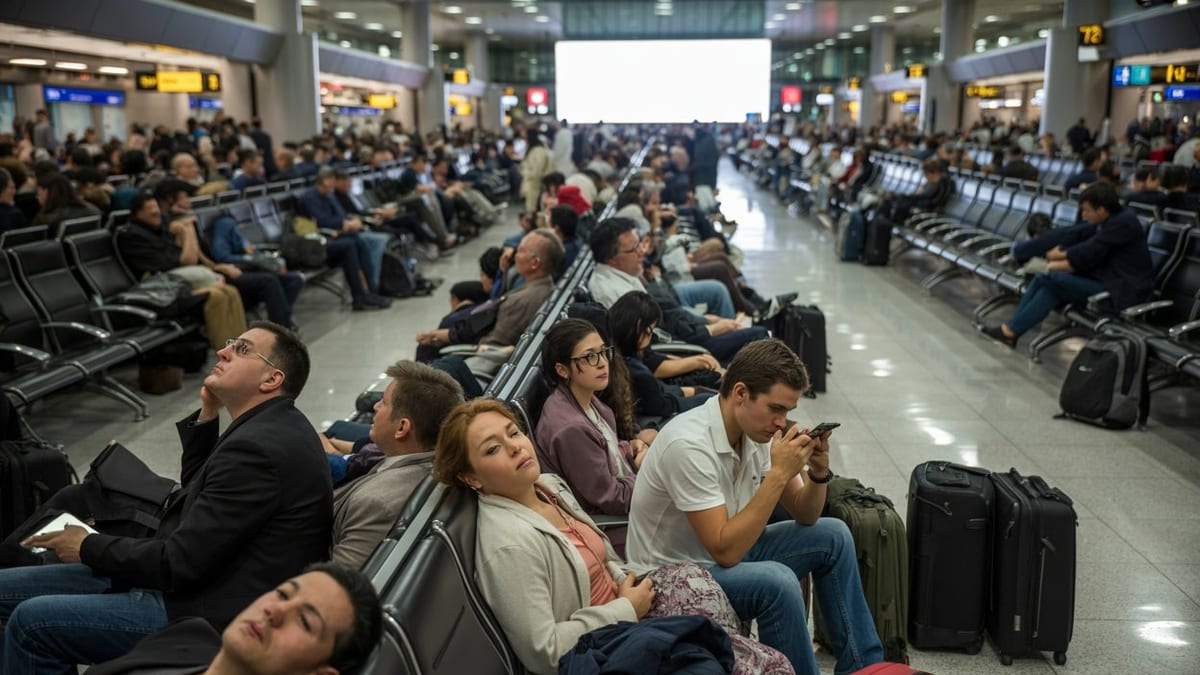
Image by Travel And Tour World
Patchy Operations Hit Major Asian Gateways
Published coverage from aviation trackers and local media across the region indicates that more than 20 flights have been pulled from schedules in recent days, affecting both domestic and international connections. While the scale does not yet compare with past large-scale operational meltdowns, the pattern of scattered cancellations is creating uncertainty for travelers moving through Southeast and East Asia.
Jakarta and Bali in Indonesia, Kuala Lumpur in Malaysia and Taipei in Taiwan are among the airports seeing a rise in withdrawn services and short-notice schedule changes. These hubs act as vital transfer points for passengers heading onward to destinations across Asia, the Middle East, Europe and Australia, magnifying the impact of individual flight disruptions.
Publicly available flight data shows that some services have disappeared from timetables within 24 hours of departure, while others have been retimed or consolidated into fewer daily frequencies. Travelers connecting between low-cost regional airlines and long-haul operators such as United are particularly exposed when one leg of an itinerary is canceled or significantly delayed.
Reports from passenger forums and regional travel outlets also suggest that knock-on effects, including missed connections and overnight layovers, are becoming more common as airlines struggle to re-accommodate affected customers on already busy alternative flights.
Multiple Airlines, Mixed Causes
The disruptions are not confined to a single carrier or country, and the causes appear to vary across the network. AirAsia and Malaysia Airlines have adjusted services on select Southeast Asian routes, while IndiGo continues to navigate the fallout from its recent crew-scheduling and regulatory challenges that led to thousands of cancellations across its network.
In India, publicly available information on IndiGo’s operations shows that lingering constraints on pilot availability and crew duty-time compliance remain a factor, even as the airline works to restore reliability. These scheduling pressures can ripple onto international sectors that feed into or out of Southeast Asian hubs used by Indian travelers heading to Indonesia, Malaysia or Taiwan.
Malaysia Airlines and other full-service carriers in the region are balancing higher demand with aircraft availability and maintenance requirements. Industry analysis indicates that tight fleet utilization across many Asian airlines leaves little slack in the system, so technical checks, weather disruptions or airspace restrictions can quickly translate into cancellations on short-haul routes.
For global players such as United, long-haul flights into Asian hubs can also be indirectly affected by congested routings, ongoing geopolitical airspace limitations and operational challenges elsewhere in their networks. When these flights intersect with regional carriers for onward connections, even a limited number of cancellations can significantly complicate travel plans.
Pressure Points on Jakarta, Bali, Kuala Lumpur and Taipei
Jakarta’s Soekarno-Hatta International Airport and Bali’s Ngurah Rai International Airport remain under particular pressure as Indonesia’s tourism and business travel continue to recover. Travel community reports from recent weeks describe passengers facing same-day cancellations on services linking these airports with other Southeast Asian cities, including Kuala Lumpur and Singapore, as well as longer-haul flights toward North Asia.
Kuala Lumpur International Airport, a key base for both AirAsia and Malaysia Airlines, has seen rolling schedule adjustments on popular routes to Indonesian leisure destinations and to Taipei. Published flight information suggests some frequencies have been cut or consolidated, reducing flexibility for travelers who rely on multiple daily departures to manage connections.
Taipei Taoyuan International Airport is similarly affected as a regional gateway connecting Southeast Asia with Northeast Asia and North America. When flights from Kuala Lumpur, Jakarta or Bali are canceled or retimed, passengers can lose their onward seats to Japan, Korea or the United States, creating a cascade of rebooking challenges across several carriers.
Observers note that this pattern of stress at key transfer points reflects the broader fragility of aviation recovery in Asia. Airlines are working with leaner staffing levels and tight schedules, so even a modest uptick in disruptions can quickly become visible across multiple cities.
What Travelers Are Experiencing on the Ground
Accounts shared on travel forums over the past fortnight point to passengers being notified of cancellations with limited advance warning, in some cases only a few hours before departure. This has been particularly disruptive for travelers on multi-leg itineraries involving combinations of low-cost and full-service airlines, where protection on onward connections is not guaranteed.
Some travelers report being rebooked on later flights from regional hubs such as Kuala Lumpur or Jakarta, while others have had to purchase entirely new tickets on different airlines when seats on alternative services were unavailable. The variability in responses appears to depend on the specific carrier, ticket type and whether the journey was booked as a single through-ticket or as separate segments.
Travel insurance has become a critical safety net for many affected passengers. Policy terms vary, but publicly available guidance from insurers typically indicates that coverage may apply for significant delays, cancellations or enforced overnight stays, particularly when travelers can document airline notifications and receipts for additional expenses.
At the same time, consumer advocates in several Asian markets continue to highlight the gap between theoretical passenger protections and what travelers actually receive, especially when dealing with cross-border itineraries that fall under different national regulations and airline policies.
How to Navigate the Current Disruptions
With cancellations cropping up across multiple airlines and hubs, travel specialists recommend building more resilience into itineraries that pass through Asia in the coming weeks. Publicly available advice from airline and airport channels suggests allowing longer connection times, particularly when combining low-cost regional flights with long-haul services on separate bookings.
Passengers are also encouraged to monitor their bookings directly through airline apps and flight-status tools, as schedule changes may appear there before third-party booking platforms update. In some cases, travelers who proactively request rerouting earlier are more likely to secure seats on limited remaining flights.
For routes touching Jakarta, Bali, Kuala Lumpur or Taipei, flexible tickets and clear understanding of refund and rebooking rules can make a substantial difference. Many carriers have published updated policies on voluntary changes, same-day standby and use of travel credits following recent operational issues, and these terms can shape the most practical options when a flight is canceled.
While the current wave of cancellations is dispersed rather than systemic, the experience is a reminder that Asia’s aviation network remains vulnerable to shocks. Travelers planning complex journeys across the region may benefit from treating schedules as more fluid than they appear, and from preparing backup options in case their chosen flights do not operate as expected.