

More news on this day
Air travelers across Asia are facing fresh disruption as a wave of cancellations and schedule changes involving carriers such as AirAsia, Malaysia Airlines, IndiGo and United alters key routes through Jakarta, Bali, Kuala Lumpur, Taipei and other major gateways.
Get the latest news straight to your inbox!
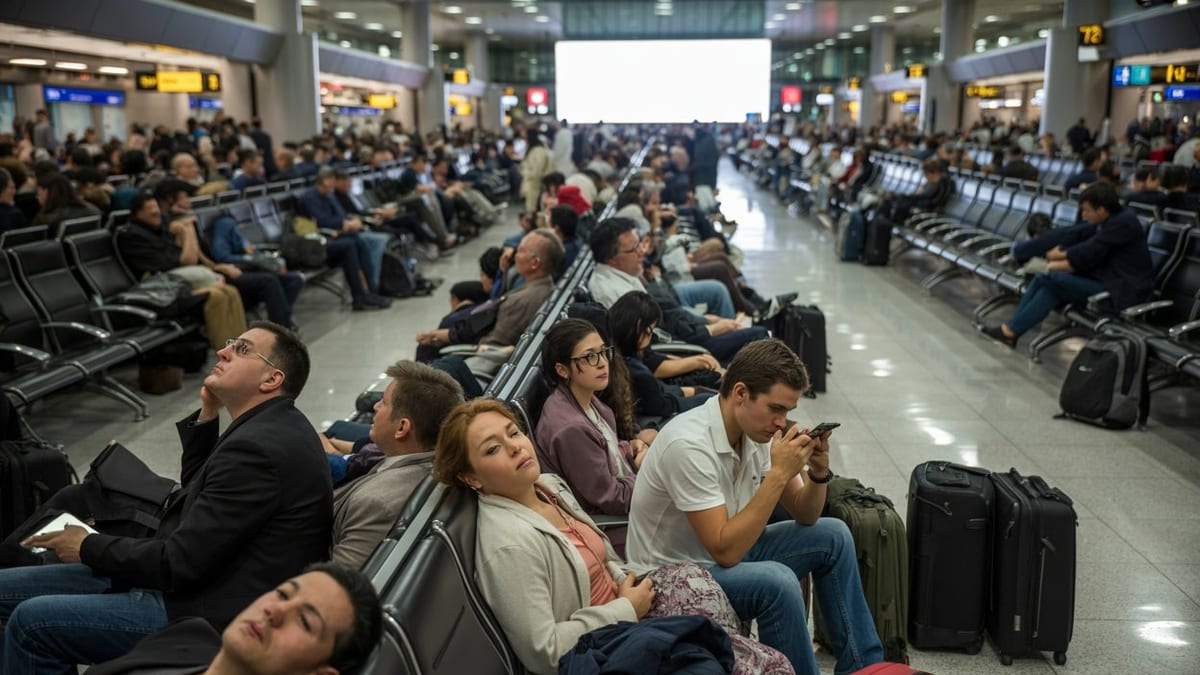
Image by Travel And Tour World
Fresh Disruptions Hit Asia’s Busiest Leisure and Transit Hubs
Recent operational changes and cancellations by multiple airlines are creating new uncertainty for travelers moving through some of Asia’s most important leisure and transit gateways. Publicly available information and traveler reports indicate that services touching Jakarta, Denpasar in Bali, Kuala Lumpur and Taipei have been among those affected, with more than 20 flights cancelled or significantly adjusted across different carriers and dates.
The ripple effects are being felt both within the region and on long haul connections to and from North America and Europe. United and other major international airlines rely on Asian hubs for onward connections, meaning schedule changes can cascade through itineraries that combine regional low cost operators with full service global carriers.
Recent coverage highlights that while core trunk routes generally remain in operation, selective cancellations, frequency cuts and ad hoc schedule changes have been enough to trigger congestion at airline customer service desks and force many travelers into last minute rebooking.
For passengers, the picture is uneven. Some routes retain multiple daily options, while others have seen temporary gaps or reduced frequencies, increasing the risk that a single cancellation can strand travelers or sever tight onward connections.
AirAsia and Malaysia Airlines Adjust Regional Networks
In Southeast Asia, AirAsia and Malaysia Airlines continue to fine tune their networks as they balance demand, crew availability and evolving operational constraints. Kuala Lumpur, long established as a low cost hub, remains central to AirAsia’s strategy, but reports of selective cancellations and re-timings on short haul routes have added complexity for travelers connecting from Indonesia and Taiwan.
Malaysia Airlines, which links Kuala Lumpur to major cities including Jakarta and Denpasar, has also been operating under a dynamic schedule environment. While published timetables show continued service on core routes, reductions and tactical cancellations on certain days have contributed to the wider pattern of disruption across the region.
For passengers flying via Kuala Lumpur, even small schedule changes can have outsized impacts when itineraries involve self connections between full service and low cost carriers. Travelers who booked separate tickets on Malaysia Airlines and AirAsia, for example, have reported missed onward flights or forced overnight stays when an upstream cancellation broke the chain of flights.
The situation underlines how Southeast Asia’s dense web of regional routes, many operated by just a handful of airlines, can quickly experience knock on effects when even a modest number of flights are removed from the schedule.
IndiGo’s Earlier Scheduling Crisis Adds Pressure to Regional Capacity
India’s IndiGo, which has grown into one of Asia’s largest low cost carriers, is still managing the aftershocks of its major scheduling crisis in late 2025, when thousands of flights were cancelled over a matter of days. That disruption, triggered by difficulties adapting to new crew duty time rules, led to widespread cancellations within India and on some international routes.
Although IndiGo has gradually restored most of its operations, the episode has left the airline with limited margin to absorb new shocks. Any renewed wave of cancellations or aircraft groundings would immediately tighten capacity on busy corridors linking India with Southeast Asia and East Asia, including routes that funnel traffic through Jakarta, Kuala Lumpur and onward to Taipei.
Industry analyses note that when a large carrier like IndiGo trims flights, competing airlines often struggle to replace the lost capacity at short notice. That can leave passengers facing higher fares, longer travel times and fewer options when attempting to reroute away from disrupted services operated by other airlines in the region.
Against this backdrop, even a cluster of more than 20 cancellations across multiple airlines in Asia can quickly strain alternative options, particularly during peak travel periods and holiday seasons when load factors are already high.
United and Long Haul Carriers Wrestle With Knock On Effects
Long haul airlines such as United are also contending with the operational complexity created by shifting schedules and airspace constraints. While most North America to Asia flights continue to operate, the combination of airspace restrictions, geopolitical tensions and regional schedule changes has reduced flexibility for rerouting passengers when things go wrong.
Travel forums and publicly shared itineraries show that some passengers have been forced to piece together multi segment journeys using a mix of United and Asian partner airlines, sometimes routing through alternative hubs at short notice. When a regional feeder flight from cities such as Jakarta, Denpasar, Kuala Lumpur or Taipei is cancelled, travelers may miss their long haul leg entirely, triggering lengthy delays before the next available seat can be found.
In some cases, travelers holding complex itineraries that rely on separate tickets have found themselves bearing the full cost of rebooking. Airlines generally prioritize re-accommodating passengers on through tickets first, leaving those on self connected journeys to purchase new segments if a key flight is cancelled.
This environment has contributed to what many passengers describe as “travel chaos,” as they navigate last minute changes without clear or consistent rebooking pathways, especially when more than one airline is involved in the journey.
What Travelers Should Expect and How to Minimize Disruption
With cancellations and last minute changes affecting key Asian gateways, travelers planning routes that touch Jakarta, Bali, Kuala Lumpur or Taipei should expect a higher than usual risk of disruption in the near term. Industry watchers suggest that this volatility may persist as airlines continue to adjust capacity, respond to operational constraints and manage complex international connections.
Public guidance from aviation regulators and consumer advocates commonly emphasizes a few recurring themes for travelers in this environment. Booking through tickets on a single airline or alliance wherever possible can significantly improve the chances of automatic rebooking when a flight is cancelled, compared with itineraries stitched together across separate carriers and reservations.
Allowing longer connection times, particularly when moving between low cost and full service terminals in hubs such as Kuala Lumpur, Jakarta or Denpasar, can provide a buffer if an upstream flight is delayed or cancelled. Travelers are also encouraged to monitor their reservations closely in the days before departure, since many schedule changes are communicated via email or app notifications that can be overlooked.
For those already on the road, persistence and flexibility remain essential. Same day alternatives may involve flying via a different hub, accepting an overnight layover or switching airlines entirely. In a period where more than 20 flights in a region can be withdrawn in a short window, passengers who prepare for contingencies are likely to navigate Asia’s evolving air travel landscape with less stress and fewer costly surprises.