

More news on this day
Air travelers in Sweden faced fresh disruption today as Lufthansa, Ryanair, SAS and several other airlines reported 23 flight cancellations and multiple delays at Stockholm and Gothenburg’s main airports, affecting both domestic and international journeys at the start of a busy spring travel period.
Get the latest news straight to your inbox!
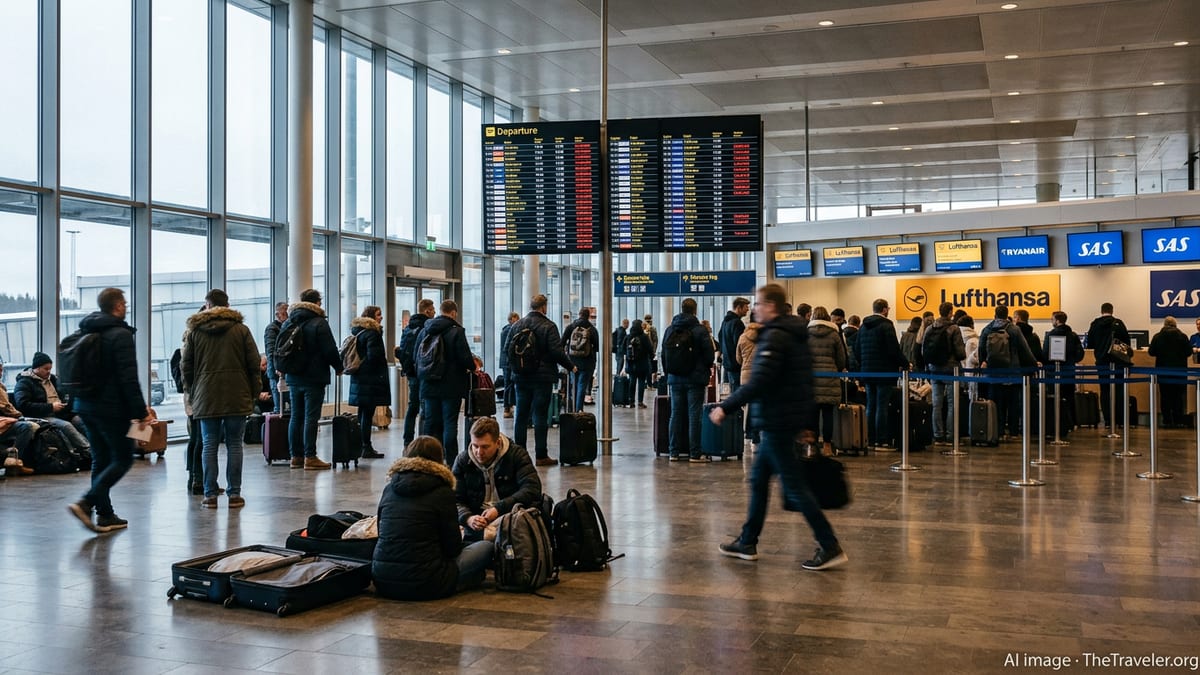
Stockholm and Gothenburg Hubs Struggle With Disruptions
Operations at Stockholm Arlanda and Gothenburg Landvetter were strained as a wave of schedule changes rippled across carriers serving Sweden, leaving passengers coping with last‑minute gate changes, rolling delays and outright cancellations. While Swedish airports were not the worst hit in Europe, the knock‑on effect from wider regional disruption proved enough to significantly impact connections into and out of the country.
Airport information boards at Arlanda showed a cluster of cancelled departures and late arrivals across the morning and early afternoon banks of flights, particularly on routes linking Stockholm with major European hubs. Landvetter saw a smaller but still disruptive series of cancellations and late‑running services, with passengers reporting queues at check‑in desks and rebooking counters as airlines worked through affected itineraries.
The 23 cancelled flights represented a mix of point‑to‑point and connecting services, meaning some travelers were stranded mid‑journey while others saw their trips cancelled before even leaving Sweden. Multiple additional flights were delayed by more than an hour, creating missed connections for long‑haul and regional itineraries.
Lufthansa, Ryanair, SAS Among Carriers Most Affected
Lufthansa, Ryanair and SAS were among the airlines most visible on the disruption boards at Stockholm and Gothenburg, reflecting their dense schedules in and out of Sweden’s key aviation gateways. Several Lufthansa services linking Sweden with German hubs faced cancellation or significant delay, complicating onward travel to destinations across Europe, North America and the Middle East.
Ryanair, which operates a large intra‑European network serving Swedish cities, also reported cancellations and pushed‑back departure times, particularly on routes connecting Stockholm with other major capitals. Budget‑conscious travelers relying on early‑morning departures faced extended waits in crowded terminals or were forced to consider alternative routings with other carriers.
SAS, Sweden’s home carrier, likewise reported schedule adjustments as it navigated the combined impact of regional congestion and pressure on aircraft rotations. Although many SAS flights operated, the scattered pattern of delays and selective cancellations created complex rebooking challenges, especially for passengers holding connecting tickets within the airline’s wider Scandinavian and European network.
Knock‑On Effects From Wider European Operational Strain
The situation in Sweden formed part of a broader pattern of air travel disruption across Europe, where a combination of operational strains, staffing constraints and localized actions in other countries led to cascading delays. Tight aircraft and crew utilization meant that even relatively small schedule disturbances at major continental hubs could propagate quickly to outstations such as Stockholm and Gothenburg.
Industry analysts noted that when large carriers adjust their operations at key transfer points such as Frankfurt, Munich, Paris or London, spokes in Scandinavia can experience ripple effects hours later. Aircraft arriving late into Sweden can trigger further outbound delays or, if crew reach their duty time limits, force cancellations to comply with safety rules.
For travelers, this meant that even flights showing as on time earlier in the day were sometimes reclassified as delayed or cancelled with little warning, underlining the importance of real‑time monitoring of flight status and being prepared for last‑minute itinerary changes.
Passenger Experience: Long Queues and Uncertain Plans
At both Arlanda and Landvetter, passengers described long lines at airline service desks and self‑service kiosks as they sought alternative routes or compensation. Families on school‑holiday trips, business travelers with tight schedules and visitors heading onward to smaller Swedish cities all reported heightened stress as they tried to secure seats on remaining departures.
Some travelers were offered rerouting via alternate European hubs or on later flights the same day, while others were told that the next available option would not depart until the following day. Hotel and meal vouchers were issued in selected cases, but availability varied by airline, fare type and the assessed cause of each cancellation.
The disruption also highlighted the vulnerability of travelers with complex, multi‑segment itineraries. Those arriving late into Stockholm from other parts of Europe frequently missed onward connections to domestic destinations, forcing extended layovers or overnight stays and raising the risk of additional costs for ground transport and accommodation.
Guidance for Travelers Facing Cancellations and Delays
Travel advisors recommend that passengers flying to, from or via Stockholm Arlanda and Gothenburg Landvetter build extra time into their plans while airlines work to stabilize schedules. Checking flight status frequently through airline apps or airport information channels has become essential, as has ensuring contact details are up to date so carriers can push notifications about gate changes or rebookings.
Under European air passenger rules, travelers whose flights are cancelled or significantly delayed may be entitled to rebooking, refunds or compensation, depending on the cause and notice period. While each case is assessed individually, passengers are encouraged to keep boarding passes, booking confirmations and receipts for any unexpected expenses incurred during the disruption.
For upcoming journeys, experts suggest choosing longer connection times where possible, especially when linking through busy hubs, and considering earlier departures in case later flights in the day are more vulnerable to cumulative delays. With Sweden’s major airports now firmly integrated into Europe’s tightly interlinked aviation network, today’s events underscore how quickly disturbances elsewhere on the continent can reshape travel plans for those flying in and out of Stockholm and Gothenburg.